
What a “Slow Travel” Trip Taught Me About Burnout in My 20s
I didn’t take a slow travel trip because I was burned out. At least, I didn’t think I was.
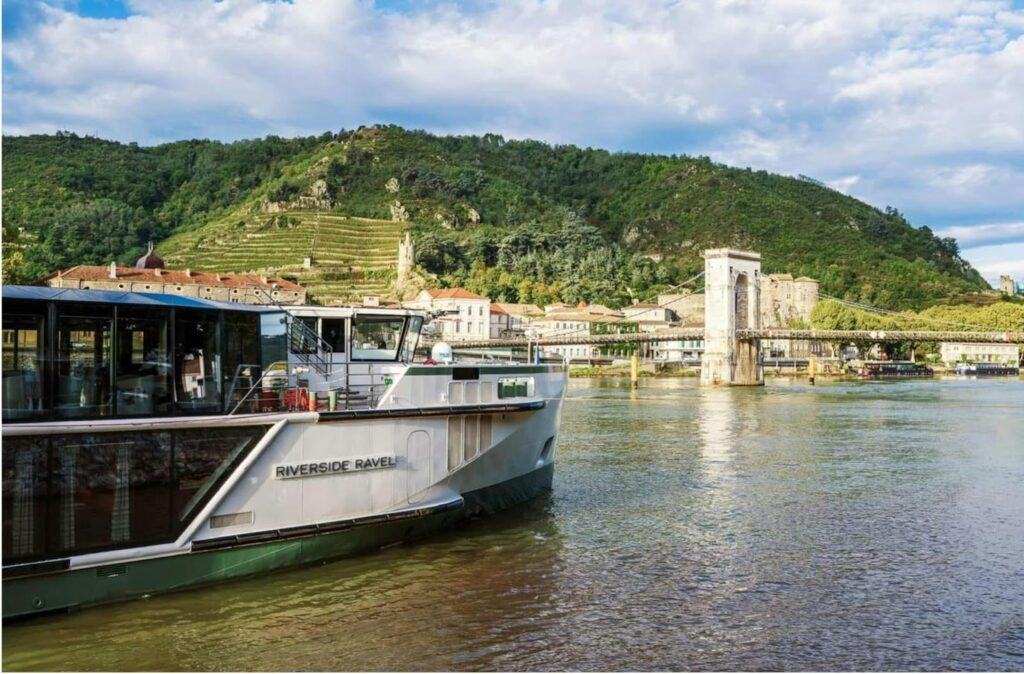
Photo by tasteful voyages: https://www.pexels.com/photo/luxury-cruise-ship-on-rhone-river-france-36104392/
From the outside, everything looked fine. Work was moving, projects were getting done, and I was doing what most people in their twenties are trying to do, building something, staying productive, saying yes to opportunities. But somewhere in that routine, the pace became constant. There was no real stop, just short pauses between deadlines.
That only became obvious once I left it.
I spent a few weeks moving through Europe by river, not rushing between cities, but actually staying long enough to see how each place functions beyond the surface. It was a different way of traveling, slower, more structured, and unexpectedly more productive in terms of how I thought and worked.
Moving Through Europe Without Constant Friction
River cruising is not the first thing people in their twenties think about, but it solves a problem most of us ignore.
When you travel fast, you spend a lot of time on logistics. Flights, check-ins, packing, unpacking, figuring out transport, adjusting plans. It feels active, but most of that activity is friction.
On a river route, especially along the Danube River or Rhine River, that friction disappears. You move between cities overnight, wake up in a new place, and start the day immediately. No wasted transitions, no constant resets.
That shift matters more than it sounds. When logistics are handled, your attention goes somewhere else. You notice more, think more clearly, and actually process what you are doing.
Burnout Is Not Always Obvious
Burnout in your twenties does not look like complete exhaustion.
It shows up as reduced focus, slower decision-making, and the feeling that you are working a lot but not moving forward as much as you should. You are still productive, but the quality of that productivity starts to drop.
The problem is that this version of burnout is easy to ignore. It does not force you to stop. It just lowers your baseline.
What the trip made clear is that constant activity is not the same as effective output. When your schedule is packed, you lose the space needed to think through decisions properly.
A Different Kind of Schedule
What stood out during the trip was not just the pace, but the structure.
Days had a clear rhythm. Mornings were for exploring cities like Vienna or Budapest, afternoons were slower, and evenings were consistent. There was no pressure to optimize every hour.
That structure created something that is often missing in everyday work, predictable downtime.
Not empty time, but time without immediate demands. That is where most useful thinking actually happens. Planning improves, ideas become clearer, and decisions are less reactive.
You Do Not Lose Productivity, You Refocus It
One of the assumptions about slowing down is that it reduces productivity. In practice, the opposite happens.
With fewer interruptions and less context switching, it becomes easier to focus on fewer, more important tasks. Instead of handling ten things at once, you work through two or three properly.
During the trip, work did not stop. It just became more intentional. Tasks were completed faster because they were not competing with constant distractions.
This is where slow travel connects directly to burnout. It does not remove work, it removes unnecessary noise around it.
Environment Changes How You Work
Working from different cities along the river changes your perspective in a very practical way.
Each stop offers a different environment, architecture, pace, even how people structure their day. Moving between places like Bratislava and Cologne makes it clear that there is no single “correct” way to organize work or time.
That realization helps break rigid routines.
When you return to your usual schedule, you are less likely to default to inefficient habits simply because they feel familiar.
The Real Issue: Constant Context Switching
One of the biggest contributors to burnout is not workload itself, but context switching.
Switching between emails, meetings, messages, and tasks reduces efficiency more than most people realize. It creates the feeling of being busy without producing meaningful output.
Slow travel naturally limits this. You are less available for constant communication, which forces prioritization.
Instead of reacting to everything, you decide what actually needs attention.

You Start Measuring Output Differently
Another shift is how you evaluate productivity.
In a typical work environment, productivity is often measured by volume, number of tasks completed, hours worked, messages answered. On the trip, those metrics become irrelevant.
What matters is whether the work you do actually moves something forward.
That change in measurement is one of the most useful takeaways. It stays with you even after the trip ends.S
Returning Without Repeating the Same Pattern
The most important part of the experience is not the trip itself, but what changes after.
If you return to the exact same habits, the benefit disappears quickly. The goal is to adjust how you work based on what you learned.
That can mean:
- Reducing unnecessary meetings
- Structuring focused work periods without interruptions
- Being more selective about tasks you take on
These are small changes, but they directly impact long-term productivity.
What This Means in My 20s
Burnout in your twenties is often dismissed because it does not look extreme. But it affects how you learn, how you make decisions, and how effectively you use your time.
The point of slowing down is not to escape work. It is to make work more effective.
A structured, slower travel experience, especially something like a river cruise through Europe, creates the conditions for that reset. It removes friction, reduces noise, and gives you enough space to evaluate how you are actually operating.
For anyone building something early in their career, that clarity is not optional. It is necessary.
The Bottom Line
You do not need to stop working to deal with burnout. You need to change how you work.
Slow travel is one way to do that, not because it is relaxing, but because it removes the constant interruptions and inefficiencies that build up over time.
What it showed clearly is that productivity is not about doing more. It is about doing the right things with enough focus to actually move forward.
And that is a lesson that applies long after the trip ends.