Bring the New Zealand Wellness Travel Experience Home
There’s something distinct about wellness in New Zealand. It’s not overly structured or built around trends. It’s grounded, practical, and closely tied to nature.
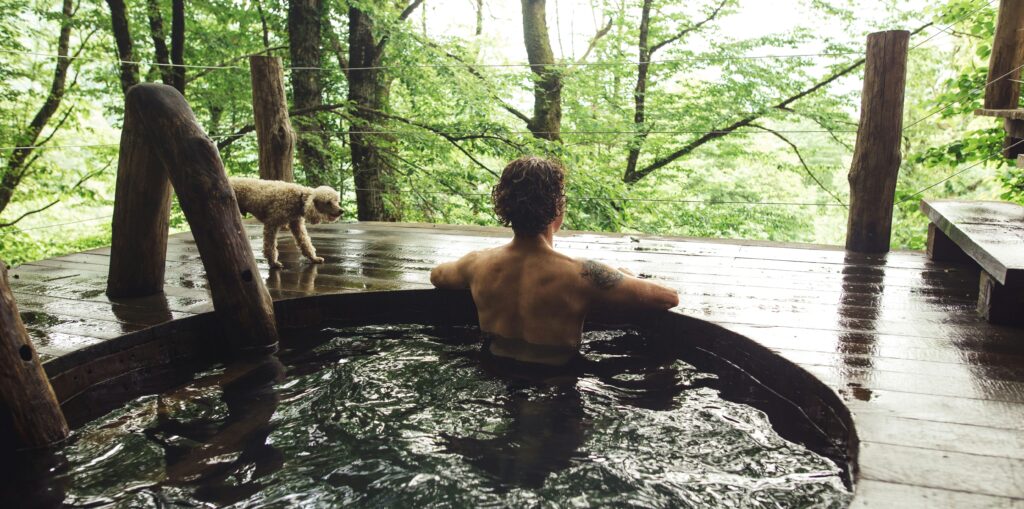
You see it across coastal retreats, alpine lodges, and everyday homes. Wellness here isn’t separated from daily life. It’s integrated into it, often through simple setups that support recovery, relaxation, and consistent use rather than occasional indulgence.
What stands out is that much of this experience is not confined to luxury destinations. It’s built in a way that can be recreated at home, using the same principles.
If you break it down, the New Zealand approach to wellness revolves around a few core elements that are easy to maintain and designed for long-term use.
Spa Pools: The Core of At-Home Wellness
If there’s one thing that defines New Zealand-style wellness at home, it’s the spa pool.
Much like in Australia, this is not treated as a luxury extra. It’s a regular part of how outdoor space is used, often becoming the focal point of the backyard. Spa pools are designed to be practical, energy-efficient, and usable throughout the year, which is essential given New Zealand’s cooler climate in many regions.
What also makes the setup more accessible is how the buying process works. Across New Zealand, it’s common to visit dedicated showrooms where you can step in, compare features, and experience a range of spa pools alongside saunas and other wellness equipment before making a decision. That hands-on approach removes uncertainty and helps homeowners choose something that fits both their space and how they plan to use it.
The practicality comes from how spa pools combine multiple functions. You’re not just sitting in warm water. You’re getting hydrotherapy through targeted jets, controlled temperature settings, and seating designed to support muscle recovery.
They also adapt well to different types of homes. Smaller units work in compact urban backyards or decks, while larger models suit family homes or more open outdoor areas.
The key difference compared to travel-based wellness is consistency. At home, a spa pool becomes part of a routine, after work, after training, or simply as a way to reset in the evening.
That regular use is where the real benefit comes from.
Infrared Saunas: A Practical Addition
Another feature that appears frequently in New Zealand wellness setups is the sauna, but not always in the traditional form.
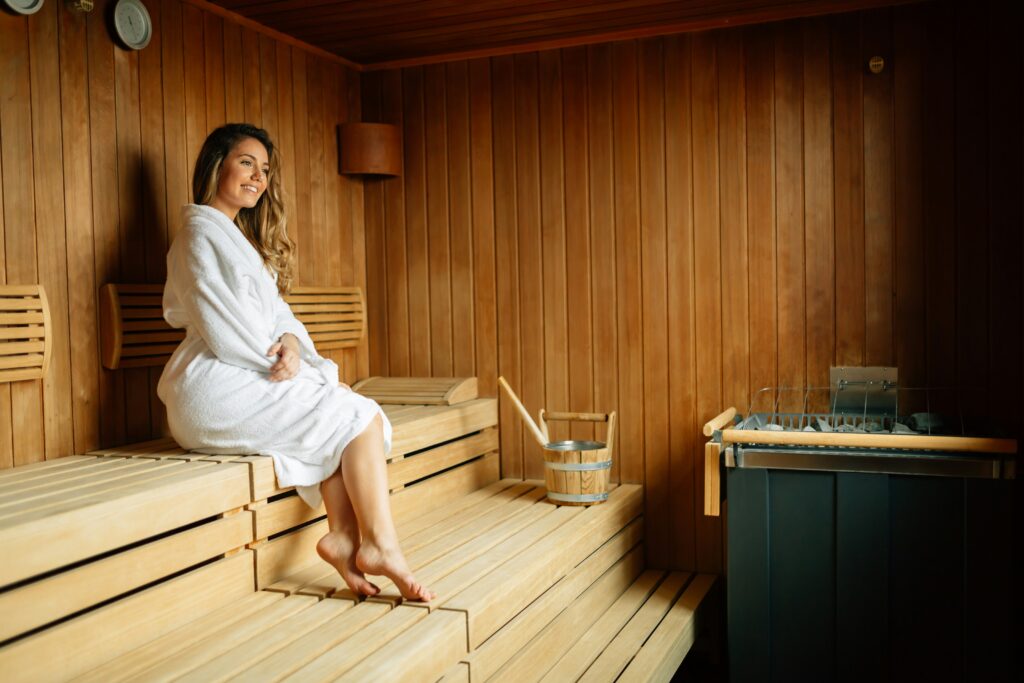
Infrared saunas are becoming more common because they are easier to install, use less energy, and fit better into residential spaces. They don’t require the same level of infrastructure as traditional steam saunas, which makes them a more realistic option for home use.
The appeal is efficiency.
Infrared systems heat the body directly rather than the surrounding air, allowing for shorter sessions that still deliver results. This makes them easier to integrate into a daily routine.
In practical terms, they are used for recovery, circulation, and maintaining a consistent wellness habit without needing to dedicate large amounts of time. Many models are also designed with sustainable materials and low EMF output, aligning with New Zealand’s broader focus on long-term, practical solutions rather than short-term trends.
Unlike spa pools, saunas are more individual. They work best as a complement rather than a replacement.
Cold Plunge and Ocean Influence
New Zealand’s natural environment plays a big role in shaping its approach to wellness.
Cold exposure is already part of the lifestyle in many coastal areas, where ocean swimming is common even outside peak summer months. This has translated into a growing interest in cold plunge setups at home.
Cold plunge tubs are now being paired with spa pools or saunas to create contrast therapy, alternating between hot and cold. This approach is widely used for muscle recovery, circulation, and general resilience.
What makes this practical is how accessible it has become.
Compact cold plunge systems are designed for home use and don’t require large installations. In some cases, homeowners even adapt existing outdoor setups to create a similar effect.
The advantage of having this at home is control.
Instead of relying on structured wellness experiences, you can integrate short sessions into your routine on your own schedule.
Why This Works Better at Home Than on a Trip
Wellness travel works because it removes distractions and creates a focused environment.
But it’s temporary.
What New Zealand’s approach does well is translate that experience into something repeatable. Instead of relying on occasional retreats, it focuses on setups that can be used consistently without disrupting everyday life.
A spa pool in the evening, a short sauna session, or a quick cold plunge after activity, these are not major events. They are small, repeatable actions that build over time.
That’s where the actual value comes from.
Building Your Own Setup Without Overcomplicating It
A common mistake is trying to recreate a full wellness retreat at home.
That’s not necessary.
Most effective setups start with one core element and build from there.
A spa pool is usually the starting point because it combines relaxation and recovery in a single system. From there, adding a sauna or a cold plunge introduces more flexibility depending on your lifestyle.
The focus should be on usability.
If the setup is easy to access and simple to maintain, it will be used consistently. If it feels complicated, it won’t.
Final Thoughts
The New Zealand wellness travel experience stands out because it is built around consistency rather than intensity.
It’s not about doing more. It’s about having access to the right tools in a way that fits into everyday life.
That’s why it translates so effectively into a home environment.
When wellness becomes part of your routine rather than something you plan occasionally, the benefits are not only more noticeable, they are also more sustainable.