The Smart Guide to Owning and Protecting High-Value Items
Acquiring a significant, high-value item is a major milestone. Whether it’s your first piece of fine art, a designer handbag you’ve saved for, or a classic vehicle, the moment of purchase is filled with excitement. But true ownership goes far beyond the initial transaction. It’s a long-term commitment that involves careful planning, protection, and maintenance. Embracing this responsibility not only safeguards your purchase but also deepens your appreciation for it, transforming a simple possession into a valued asset.
Defining High-Value Assets
When people hear "high-value asset," they might picture sprawling estates or priceless paintings. But the definition is much broader and more personal. A high-value asset is any item that holds significant worth, which can be measured in several ways. Monetary value is the most obvious factor, but it's not the only one. An item can also be considered high-value due to its rarity, sentimental importance, or critical role in your lifestyle.
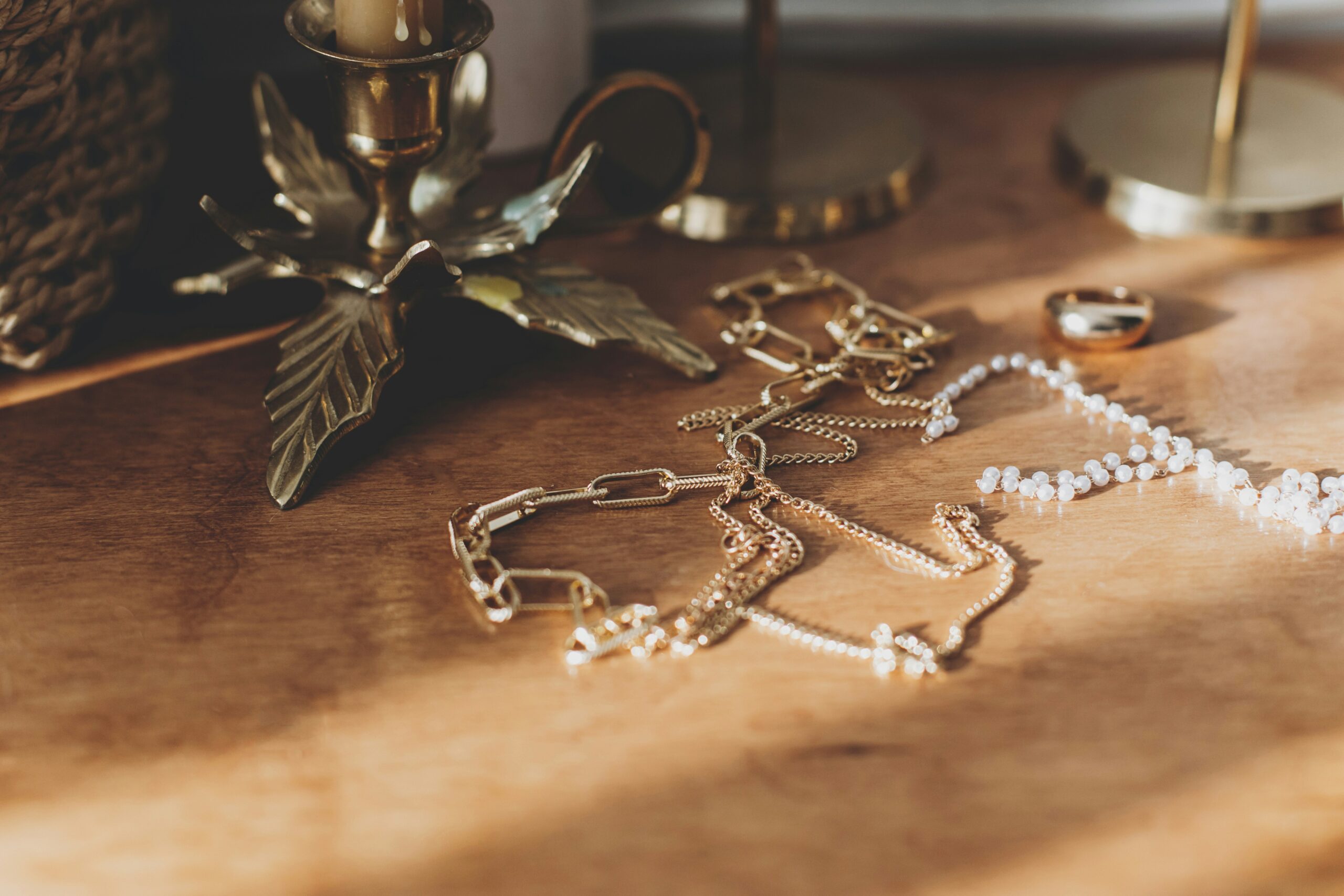
For one person, a high-value asset could be a collection of vintage guitars. For another, it might be sophisticated photography equipment used for their freelance business. Other common examples include fine jewelry and luxury watches, designer clothing and accessories, classic or custom vehicles, works of art or rare collectibles, and advanced tech gadgets and home electronics.
Ultimately, an item’s status as a high-value asset is determined by the potential financial or personal loss you would experience if it were damaged, lost, or stolen. Understanding what items in your possession fall into this category is the first step toward responsible ownership. It allows you to create a clear inventory and prioritize which items need a dedicated plan for their care and protection.
The Commitment of Ownership
Owning a valuable item is an active, ongoing process, not a passive state. It requires a shift in mindset from being a consumer to being a steward. The concept of stewardship means taking on the responsibility to care for and preserve something of value for the long term. This means looking beyond the initial purchase price and considering the total cost of ownership. This includes all the expenses you'll incur throughout the item's life, such as insurance, maintenance, secure storage, and potential repairs.
For example, the cost of a classic motorcycle isn’t just what you pay the seller. It also includes finding a mechanic who specializes in vintage bikes, sourcing rare parts, storing it in a dry garage to prevent rust, and getting the right motorbike insurance with Carole Nash coverage. Similarly, a high-end designer handbag requires more than just a place on a shelf. To maintain its condition, you'll need specific cleaning products, proper stuffing to hold its shape, and a dust bag to protect it from light and dirt. Thinking about these future needs before you buy helps ensure you are truly prepared for the commitment.
Securing Your Investment
Once you’ve identified your valuable assets, the next critical step is to protect them. This protection comes in two primary forms: physical security to prevent theft or damage, and financial security to cover losses if the unexpected happens. A comprehensive strategy for luxury asset management addresses both of these aspects to ensure your investment is safe.
Physical security measures depend on the item. For small valuables like jewelry or important documents, a high-quality home safe that is fireproof and waterproof is a wise investment. For larger items like art, you might need to consider climate control to prevent damage from humidity or temperature fluctuations. For vehicles, a locked garage is a minimum, but you might also add security cameras or a GPS tracking device for extra protection.
Financial security is just as important. Many people assume their standard homeowners or renters insurance will cover their valuables, but these policies often have low coverage limits for specific categories like jewelry, art, or electronics. For items that exceed these limits, you may need to purchase a separate policy or an add-on known as a "rider." For certain specialized assets, a dedicated insurance plan is essential. This ensures the true value of the vehicle is protected against theft, damage, and other unforeseen events.
Maintenance and Longevity
Proper maintenance is key to ensuring your high-value items last and continue to bring you joy for years to come. Neglect is the fastest way to diminish an asset's value and functionality. A proactive approach to upkeep not only preserves the item's condition but can also prevent small issues from turning into costly repairs down the line. A complete guide to high-value asset management emphasizes the importance of a consistent care routine.
Create a maintenance schedule tailored to each specific item. A luxury watch may need to be professionally serviced every three to five years to keep its intricate mechanics running smoothly. A high-performance bicycle requires regular chain cleaning, lubrication, and brake checks. Even a leather jacket needs periodic conditioning to keep it from drying out and cracking. Research the specific care instructions for your items and follow them diligently.
Documentation is a crucial part of this process. Keep a detailed log of all maintenance, cleanings, and repairs. Hold on to receipts and record the dates of service and the professionals who performed the work. This file not only helps you stay organized but also creates a verifiable history of care. This documentation proves invaluable if you ever need to make an insurance claim or decide to sell the item in the future, as it demonstrates to potential buyers that the asset has been well-maintained.
Planning for Resale Value
Even if you have no immediate plans to sell, manage high-value items with their potential resale value in mind. Your needs or tastes may change over time, and preserving an asset’s value gives you more options later. Proper storage, regular maintenance, and thorough documentation can also maximize its value on the secondary market.
Keep all original packaging and paperwork. For watches, electronics, and designer goods, boxes, authenticity certificates, manuals, and receipts can increase buyer interest and resale value. Store these materials in a safe, dry place to prevent damage or loss.
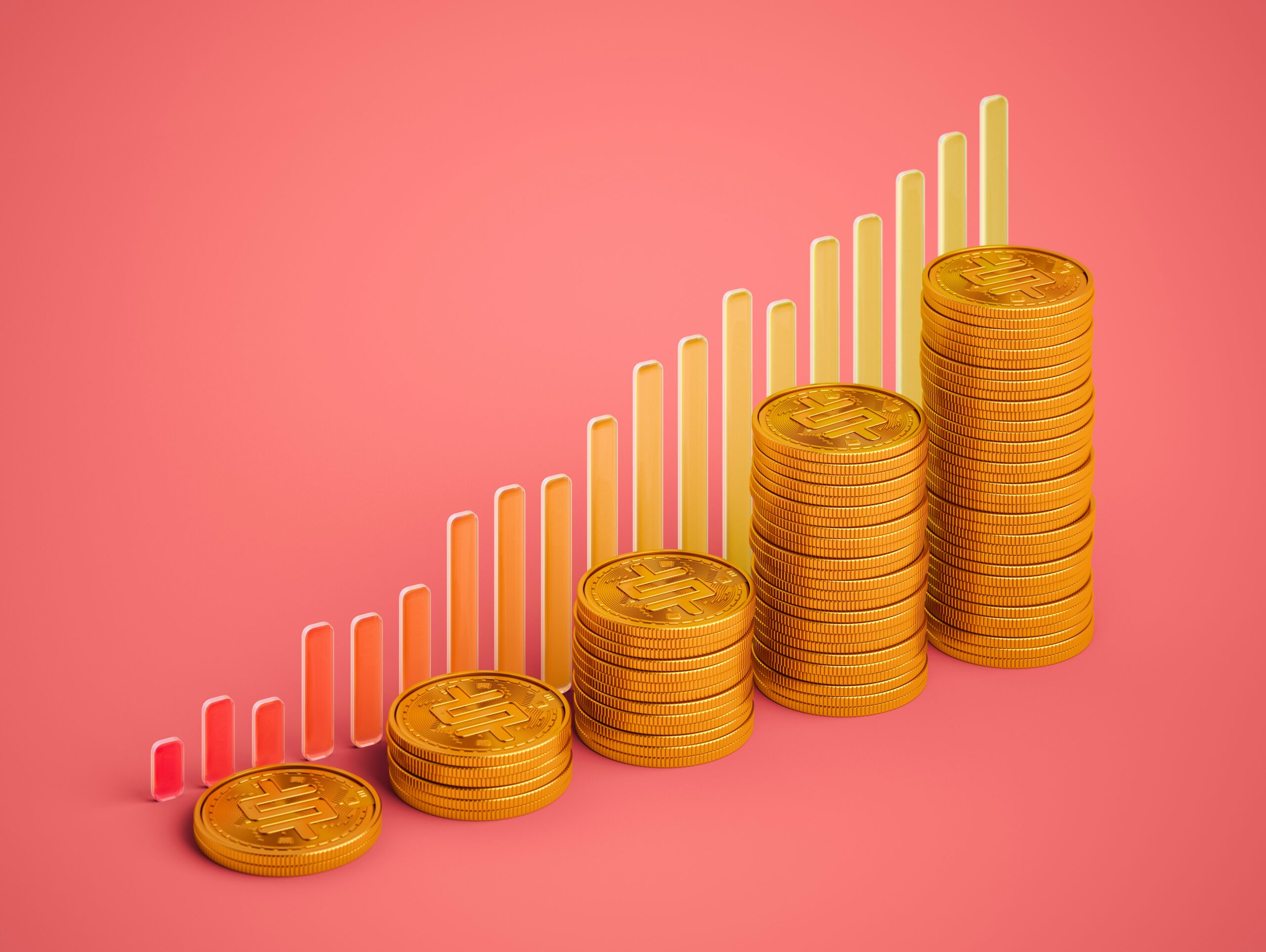
Stay informed about your item’s market. Some assets, such as classic cars or limited-edition art, may appreciate, while others, such as technology, typically depreciate. Tracking specialty marketplaces, forums, and auction results can help you understand current values and identify the right time to sell.
Owning a valuable asset can be rewarding beyond the initial purchase. Careful maintenance, proper storage, and protection help preserve not only its value but also the story behind it.