Store Credit Cards: Trap or Tool?
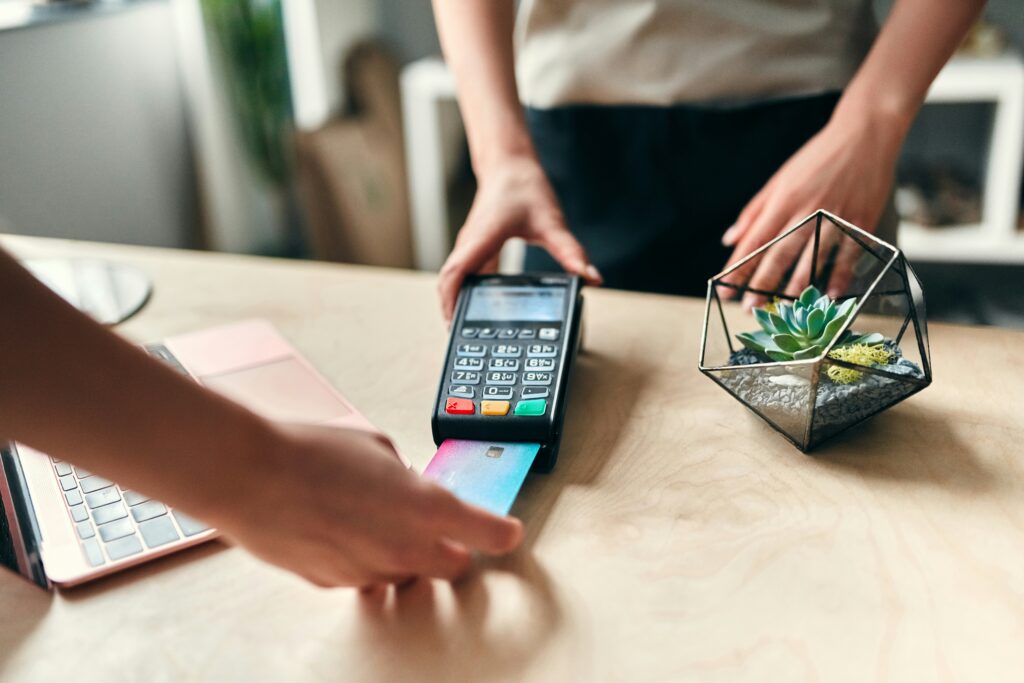
You're at the register. You've got an armful of things you actually need (okay, and maybe a few you didn't). The cashier rings you up and then asks the question: "Would you like to save 20% today by opening a store credit card?"
And honestly? In that moment, it sounds like a great deal.
This is one of those personal finance topics that I think deserves more nuance than it usually gets. The blanket advice you'll hear is "never open a store card" — but I don't think that's quite right either. The truth is, store credit cards can be a legitimate tool or a genuine trap. This depends entirely on how you use them and what your financial situation looks like.
Let's break it down so you can make the call for yourself.
What Is a Store Credit Card, Exactly?
Before we get into the pros and cons, it's worth knowing that not all store credit cards are the same. There are two main types:
Closed-loop cards is only for use at that specific retailer or its family of brands. Think of a card that only works at one store — nowhere else. These tend to have the highest interest rates of all.
Open-loop cards are co-branded with a major network like Visa or Mastercard, which means you can use them anywhere. You'll still earn the best rewards at the issuing retailer, but you're not locked in to using it there exclusively.
This distinction matters, and it's worth knowing which one the store is offering before you sign anything.

The Case Against Store Credit Cards
Let me start here, because I think this is where most people need to pay attention.
The interest rates are genuinely alarming.
This is the big one. According to Bankrate's 2025 retail credit card study, the average store credit card charges an APR of 30.14%. Store-only closed-loop cards average even higher — around 31.64%. For comparison, the average APR across all credit cards sits around 20%. That's a massive gap.
What does that mean in practice? If you carry a $500 balance on a store card at 30% APR and only make minimum payments, you'll pay a significant amount in interest — often more than the original discount you signed up to get. The math just doesn't work in your favor if you're not paying in full every month.
"No interest" doesn't always mean what you think it means.
This is the one that catches people off guard most often, and it's important enough that I want to give it its own section.
Many store cards offer promotional financing — something like "no interest for 12 months on purchases over $300." That sounds straightforward, right? Pay it off in a year and you're good.
But most of these offers are deferred interest, not true 0% APR. The difference is significant. With a true 0% offer (like you'd typically see on a general-purpose credit card), if you have a remaining balance at the end of the promotional period, you're only charged interest on that remaining amount going forward.
With deferred interest, if you have even one dollar left unpaid at the end of the period, you get charged interest on the entire original purchase, retroactively, from day one.
That surprise charge can be hundreds of dollars. Always read the fine print on any financing offer before you agree to it.
It's a checkout-line decision.
One of the things I think about with store cards is the context in which they're asking you to open one: while you're standing at a register, likely in a hurry, with people behind you in line. That is not the ideal environment for making a sound financial decision. Retailers know this, and they design the offer around it.
Any financial decision — especially one involving a new line of credit — deserves more than 30 seconds of consideration.
Opening a new card always impacts your credit score.
When you apply for any credit card, the issuer runs a hard inquiry on your credit report, which can temporarily lower your score by a few points. A new account also lowers the average age of your credit history. These effects are usually minor and short-lived, but if you're planning to apply for a car loan or mortgage in the next few months, this is worth factoring in.
The Case For Store Credit Cards
I said this deserved nuance, so here it is.
They can be genuinely useful for credit building.
Store cards typically have less strict approval requirements than general-purpose credit cards. This makes them one of the more accessible options if you're building credit from scratch or working to improve a lower score.
A responsibly managed store card — where you make small purchases and pay the balance in full every month — can help establish a positive payment history and demonstrate that you can manage a line of credit well.
If you're in a season where you're actively trying to build or rebuild credit and you can't qualify for a regular card, a store card used strategically is a reasonable option. Just treat it like a tool, not a crutch.
The rewards can be worth it — if you're a loyal shopper and you always pay in full.
This is the key condition, and both parts of it matter equally.
If you genuinely shop at a specific retailer regularly a store card can deliver real value through discounts, cashback, and member-only perks. This will typically be places like your grocery store, a home improvement store, somewhere you already spend money consistently.
Some cards offer 5% back on all purchases at that retailer. Although it may seem like a small amount this adds up meaningfully over the course of a year if it's somewhere you're already spending.
But that value disappears the moment you carry a balance. At 30% APR, any rewards the card earns you disappear almost immediately. The rewards only work for you if you're paying off the full balance every single month, without exception.
The sign-up discount can occasionally make sense.
I know I said the checkout-line offer should be approached with caution — and I stand by that — but I don't want to say the sign-up bonus is never worth it. If you're making a large, planned purchase at a retailer you genuinely shop at, the one-time discount could amount to real savings, especially if you know you'll be able to pay the balance off in full immediately.
The key word there is planned. If you were already going to make the purchase anyway, the math is different than if the card offer is nudging you toward a purchase you wouldn't otherwise make.

So: Trap or Tool?
Here's my honest take.
For most people, most of the time, a general-purpose rewards credit card is going to serve you better than a store card. You'll get comparable (often better) rewards, a lower interest rate if you ever do carry a balance, and more flexibility in how and where you use it.
But store cards aren't categorically bad. They can be the right call if you're building credit and need an accessible entry point, or if you're a frequent shopper at a specific retailer, always pay in full, and the rewards are genuinely valuable to your spending habits.
The questions to ask yourself before saying yes at the register — or anywhere else:
- Do I shop here often enough for the rewards to matter?
- Will I pay this balance in full every single month?
- Am I applying for any major loans in the next few months?
- Is this an open-loop or closed-loop card?
- If there's a promotional financing offer, is it deferred interest or true 0%?
If you can answer those questions honestly and the math still works, it might be a tool. But, if you're hesitating on any of them, it's probably a trap.
And either way — don't make the decision at the register. Tell the cashier you'll think about it, look up the terms on your own time, and come back to it with a clear head. Any offer worth taking will still be there tomorrow.
About the Author

Nicole Booz is the founder and Editor-in-Chief of GenTwenty and GenThirty. She has a Bachelor of Science in Psychology and is the author of The Kidult Handbook (Simon & Schuster May 2018). She's currently kicking it in Pennsylvania with her husband and three sons. When she’s not reading or writing, you'll likely find her luxuriating over brunch, perusing a thrift store or planning her next Disney trip.
Website: genthirty.com