
Smart Money Moves: Turning Unused Jewelry Into Opportunity
That jewelry box on your dresser might be holding more than just memories. You could have forgotten gold chains, inherited rings that aren't your style, or earrings from an old relationship tucked away inside. Even if you never wear these pieces, they're still a hidden financial asset. Turning those unused items into cash can be a smart money move, giving you a powerful way to boost your finances and get closer to your goals.
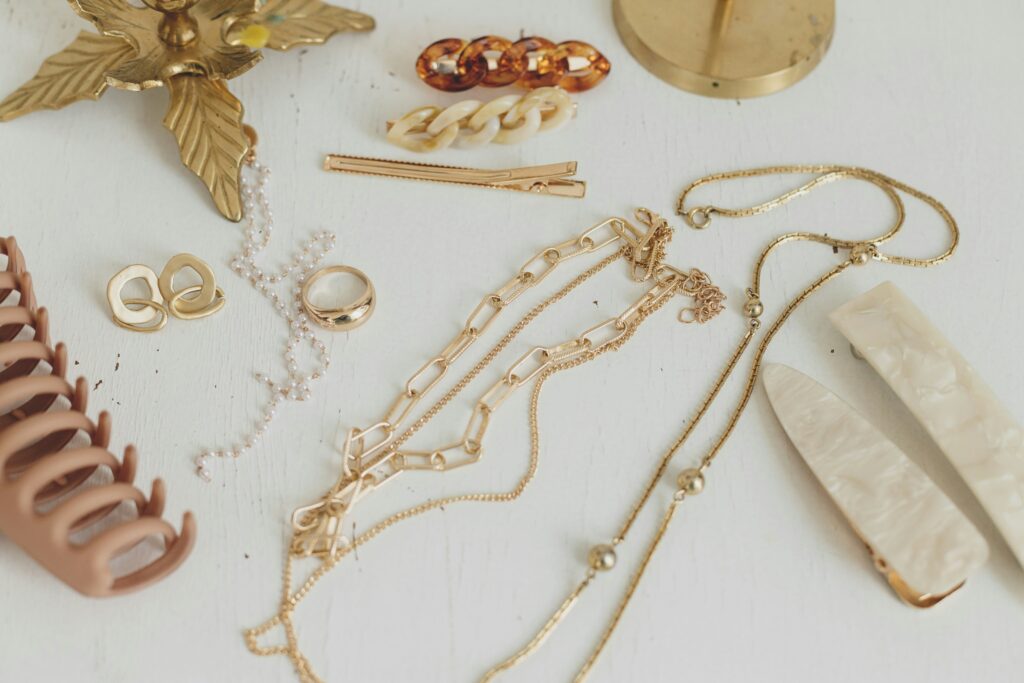
Assess Your Current Valuables
Before you can make any decisions, you need to know what you actually have. Start by gathering all your unused jewelry in one spot. Go through each piece and sort it into three piles: "keep," "sell," and "unsure." The "keep" pile is for items with deep sentimental value that you could never part with. The "sell" pile is for things you're ready to let go of. You can set the "unsure" pile aside for now.
For the items you're thinking about selling, take a closer look. You don't need to be an expert, but a little observation helps a lot. Look for small markings, often called hallmarks, stamped on the metal. These can tell you the material, like "14k" or "18k" for gold, or "925" for sterling silver. Just make a simple list of what you find. This first inventory will help you get organized for the next steps.
Understanding What Holds Value
Not all shiny things are worth the same. A piece of jewelry's value usually comes down to a few key things. The main one is often the precious metal it's made of. Gold, platinum, and silver are valued based on how much they weigh and how pure they are (their karat). This is why smart money invests in gold and other precious metals; they have real value. An 18-karat gold chain that's heavier will generally be worth more than a lighter 10-karat one, simply because it has more pure gold in it.
Gemstones are the next part of the puzzle. Diamonds and other precious stones are valued based on the "Four Cs": carat (weight), cut (shape and sparkle), color (how colorless it is), and clarity (how few imperfections it has). Designer or brand names can also add a lot of value. A piece from a famous jewelry house often costs more than just its material worth. Knowing these basics helps you have realistic expectations.
Choosing the Right Time to Sell
Many people try to "time the market" perfectly, but for selling a few personal items, that's usually not necessary. While gold and silver prices do change daily, the most important thing is your own financial situation. Do you have high-interest credit card debt you want to pay off? Are you trying to build an emergency fund? If you answered yes, then now is a good time to sell.
Still, it can be helpful to have a general idea of what the market is doing. You can easily look up the current spot price of gold online. If you see prices are at a multi-year high, you might feel more motivated to act. Ultimately, the best time to sell is when the cash will truly make a difference in your life. Don't let the fear of missing a slightly better price tomorrow stop you from making a smart financial move today.
Finding a Trusted Buyer
Once you've decided to sell, finding a trustworthy buyer is the most important step. You have several choices, each with its own good and bad points. Local pawn shops offer quick cash but might not always give you the best price. Jewelers might buy pieces, but they often focus more on selling new items.
Online buying has become a popular and convenient option, but you need to choose carefully. Look for a company that has a clear process, good communication, and positive customer reviews. A top-rated gold buyer will send you a secure, insured mailing kit for your items and offer a no-obligation appraisal. This way, you can get a firm offer from professionals without any pressure, making sure you feel confident and in control through the whole process.
What to Do With Your New Funds
Selling your old jewelry is just the beginning. The real opportunity is in what you do with the money you get. Instead of letting it just disappear into everyday spending, be intentional. This is your chance to really improve your financial health.
Think about using the funds to:
- Pay down debt: Focus on high-interest credit card balances or personal loans first. Reducing this debt saves you money on interest and frees up your monthly cash.
- Build your emergency fund: Financial experts suggest having three to six months of living expenses saved. This cash could be the perfect start or a big boost to your safety net.
- Invest for the future: Open or add to a Roth IRA. Even a few hundred dollars can grow a lot over time thanks to compound interest.
- Fund a goal: Put the money towards a down payment on a car, a certification course to help your career, or seed money for a side hustle you've been dreaming about.
By turning unworn metal into a tool for your future, you're making a truly smart money move. You're not just decluttering a jewelry box; you're creating financial opportunity.