
Small Irrigation Problems That Cost You Money
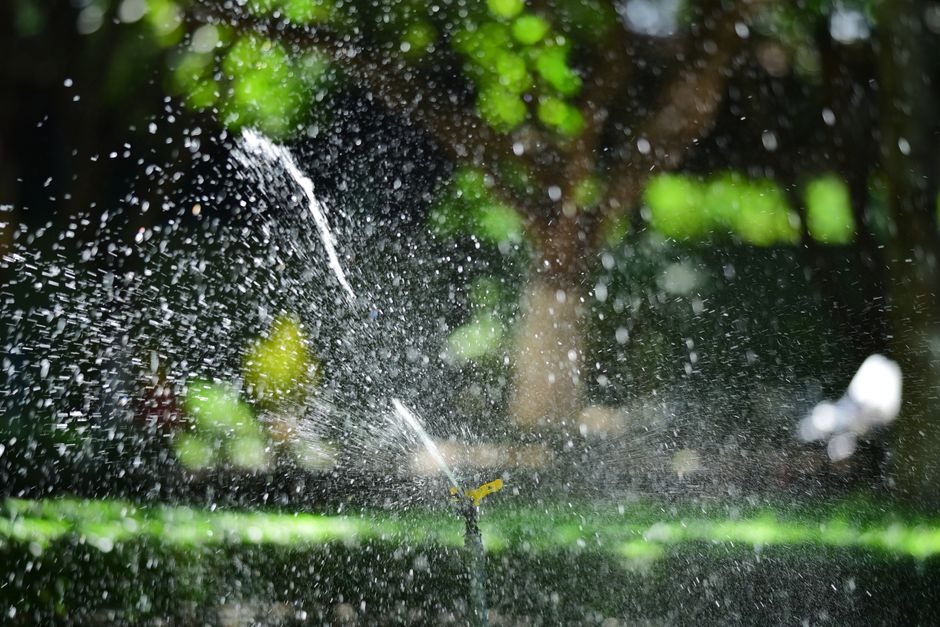
Your yard can be sneaky. It looks fine from the window, but outside, a sprinkler head may be spraying the driveway like it has a personal grudge. Small irrigation problems often hide in plain sight, and with Ferndale's watering schedule limiting when you can run the system at all, a bad head wastes the window you do get.
If you want a lawn that looks good without wasting money, it helps to catch the little issues early and build a few simple habits that keep everything running the way it should.
What Your Lawn Is Telling You
A healthy yard usually gives you clues before a problem turns expensive. Maybe one corner of the grass looks thirsty while another feels like a sponge. Maybe the sprinkler starts making strange sputtering sounds, which is never a comforting soundtrack for your morning coffee. Those early signs matter because they often point to small fixes that are cheaper and easier than waiting.
Uneven coverage rarely fixes itself, though, and the cause is usually buried out of sight in a cracked pipe or a failing control valve. Book sprinkler repair in Ferndale to trace the fault back to its source instead of adjusting heads that were never the problem.
The big win here is timing. Catching problems early usually means less lawn damage, less water waste, and less stress when the weather heats up.
Check Your Water Bill
Sometimes the first clue isn’t in the yard. It’s in the bill you almost didn’t open. If your water costs have crept up and your indoor habits haven’t changed much, your irrigation system may be the reason.
Look at the last few months and compare them with the same season last year if you can. Summer bills naturally rise when you water more, but the jump shouldn’t feel wild unless the weather was extreme. If you’re paying noticeably more without a clear reason, it’s worth looking outside.
Think about your routine. Did you leave the system running after a rainy stretch? Are the sprinklers still set for spring even though the weather changed? Did a timer reset after a power outage? Those little things can add up fast.
You don’t need to become a spreadsheet wizard to notice patterns. A simple glance at your recent usage can tell you whether the problem is normal seasonal watering or a system that’s quietly soaking your budget.
Know What To Fix
A lot of sprinkler issues are common, which is actually good news. It means the problem is often something familiar and fixable instead of a full system disaster. One of the biggest culprits is a clogged or damaged sprinkler head. Dirt, grass, and wear can mess with the spray pattern and leave parts of your lawn thirsty.
Leaks are another big one. A hidden leak can waste a surprising amount of water, especially if it runs regularly. Tilted heads also cause trouble because they spray unevenly or send water where it doesn’t belong. Then there’s timing. If your system runs too long or too often, the lawn may be getting more water than it can actually use.
Here are a few common problems to watch for:
- Broken or cracked sprinkler heads
- Water pooling near one zone
- Misty spray from high pressure
- Sprinklers watering pavement
- Timers set for the wrong season
Some issues are annoying but minor. Others can damage the lawn or waste water quickly, so it helps to act before they get bigger.
Where DIY Stops Working
You can absolutely handle some sprinkler fixes on your own. If a head is obviously blocked by dirt or stuck under grass, a careful cleaning may do the trick. Straightening a tilted head or adjusting the direction is also pretty manageable for most homeowners.
But there’s a point where doing it yourself stops being frugal and starts becoming a weekend mystery movie. If you can’t find the source of a leak, if pressure seems off in multiple zones, or if wiring and timers are acting strange, getting professional help is usually the smarter move.
A good rule is this: if the fix is visible, simple, and low-risk, DIY might work. If the issue is underground, inconsistent, or keeps coming back, call someone who deals with irrigation systems every day.
That doesn’t mean you failed. It means you’d rather solve the problem correctly than spend three Saturdays turning knobs and muttering at the grass.
Build A Smarter Routine
The cheapest sprinkler problem is the one you prevent. You don’t need a complicated system for that. A simple routine can keep your lawn healthy and your water use more reasonable all season.
Start by walking the yard once a month while the sprinklers run. Check for heads that are blocked, bent, or spraying the wrong direction. After heavy rain, make sure the schedule still makes sense. Many systems keep watering as if nothing happened, which is loyal but not helpful.
A few smart habits go a long way:
- Water early in the morning
- Adjust timing with the season
- Skip watering after steady rain
- Watch for new dry or muddy spots
- Replace worn parts sooner rather than later
You don’t need a perfect lawn to have a well-managed one. The goal is simple: give your grass what it needs without pouring money onto the sidewalk. When you notice signs early and stay consistent, your yard stays greener, your system works better, and your wallet gets a much-needed drink break.