Simple Wellness Habits That Support Better Gut Days
Some days your stomach feels calm and easy. Other days, it acts like it woke up on the wrong side of the bed. If that sounds familiar, you’re not alone. Gut-friendly habits don’t need to be complicated or super strict to help. Small choices can add up in a big way. When you focus on a few steady routines, you give your body a better chance to feel comfortable, regular, and a lot less dramatic by lunchtime.

Start With Your Basics
When your stomach feels off, it’s tempting to look for a magic fix. Usually, though, the best place to start is with the basics you can actually repeat. That means regular meals, enough water, gentle movement, and paying attention to how your body responds.
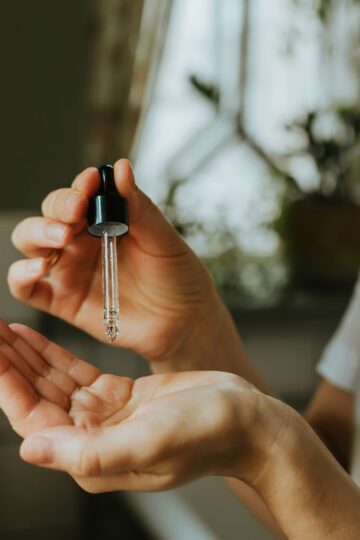
Some people also like adding a supportive product to their routine, especially when they’re trying to stay more consistent. If you want to buy emma supplement, it makes sense to think of it as one part of a bigger wellness picture, not a shortcut that replaces everyday habits. Kind of like buying running shoes does not magically make you run a marathon. Helpful? Yes. The whole story? Not quite.
A simple routine is often more useful than a perfect one that you quit after three days. Start where you are, keep it realistic, and let your habits do the heavy lifting.
Notice Your Eating Rhythm
What you eat matters, but how you eat can matter too. If you often skip breakfast, inhale lunch in seven minutes, and then snack all evening, your stomach may not be thrilled with the schedule. Your body tends to like a little rhythm.
Try noticing your normal pattern for a few days. Do you go too long without eating and then overdo it later? Do giant meals leave you feeling sluggish or uncomfortable? Even small shifts can help. A steadier meal routine may make your day feel less like a food roller coaster.
It also helps to slow down at meals when you can. You do not need candlelight and soft jazz, but chewing your food and taking your time can make a difference. Eating while standing at the counter or doom-scrolling through your phone usually turns meals into a blur.
Think practical, not perfect. A decent breakfast, a real lunch, and fewer random snacks at 10 p.m. can be a strong start.
Make Fiber Feel Easier
Fiber gets a lot of praise, and for good reason, but adding it too fast can backfire. If you suddenly go from almost no fiber to a mountain of beans and bran, your stomach may protest with impressive enthusiasm.
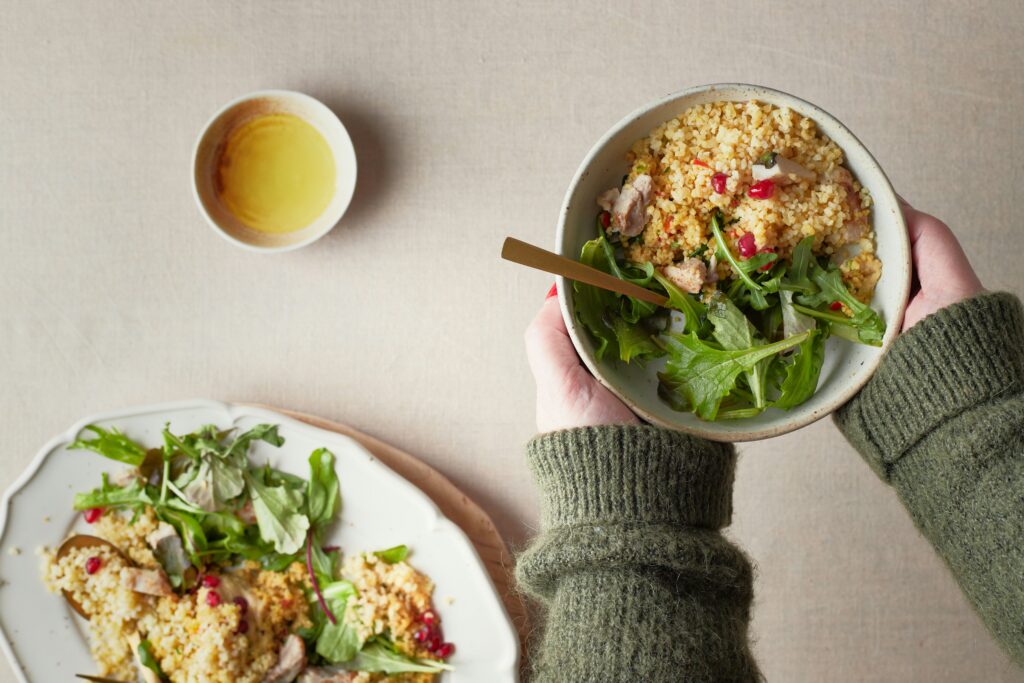
An easier approach is to build fiber into foods you already like. You might add berries to yogurt, swap white bread for whole grain, toss beans into soup, or keep apples and pears around for snacks. Oatmeal is another simple option that feels familiar and easy to manage.
You do not need to turn every meal into a nutrition poster. One or two smart swaps a day can move things in the right direction. That matters more than buying a cart full of trendy foods you never touch again.
If your body is not used to more fiber, increase gradually and keep drinking water too. Fiber and water work better as a team. Without enough fluids, that healthy change can feel less like progress and more like a plot twist.
Hydration Helps More Than You Think
If you’re trying to support digestion, water deserves more credit than it usually gets. A lot of people think they’re doing fine because they had coffee, maybe another coffee, and something icy with a straw at dinner. That’s a fun beverage storyline, but plain water still matters.
Hydration helps your body do its normal work, including supporting smoother digestion. You do not need to carry a gallon jug like it’s a personality trait. You just need a plan you’ll actually follow.
Try keeping a water bottle where you can see it, drinking a glass with meals, or filling the same cup a few times each day. If plain water feels boring, add lemon, cucumber, or even ice if that makes it more appealing. No shame in making hydration a little less bland.
If your days are busy, habits beat reminders. Linking water to things you already do, like breakfast or afternoon breaks, can make it easier to stay consistent without thinking too hard about it.
Pay Attention To Stress
Your stomach and your stress levels are closer friends than most people realize. When life gets hectic, your digestion can get a little moody too. You might notice bloating, discomfort, or that unsettled feeling that shows up right when your to-do list gets ridiculous.
This does not mean stress is the only cause of gut issues, but it can absolutely play a role. That’s why wellness is not just about food. Your routine outside the kitchen counts too.
Simple stress support can look surprisingly ordinary. A short walk after dinner, stretching for ten minutes, taking a break from screens, or getting to bed a little earlier can all help. These habits are not flashy, but they tend to work better than pretending you’re fine while eating chips over your keyboard.
Try asking yourself a simple question when your stomach feels off: What has this week looked like? If the answer includes poor sleep, rushed meals, and zero downtime, your body may be asking for more support, not more pressure.
Build A Routine You Can Keep
The most helpful wellness habits are the ones you can stick with when life is busy, messy, and very normal. You do not need a strict plan that falls apart the second you have takeout or a late meeting. You need a routine with some flexibility built in.
Start with a few anchors. Eat meals at more regular times. Add fiber gradually. Drink more water. Move your body in ways that feel doable. If a supportive product fits your goals, use it as part of the routine rather than the whole routine.
Give changes a little time. Your body usually responds better to consistency than to sudden health kicks fueled by Monday motivation. Keep notes if that helps. You may notice certain foods, meal patterns, or stress-heavy days affect you more than you thought.
Most of all, be practical. The goal is not to become a wellness robot. It is to feel better more often. When your habits fit your real life, you have a much better shot at calmer, easier gut days.