Rompers for Twenty-Somethings: The Work-to-Weekend Staple
The twenties wardrobe question is specific. You're building a work presence for the first time while trying to keep weekend personality intact. You don't have the budget for a full professional wardrobe plus a separate weekend one. You want pieces that do real work across multiple contexts without requiring an outfit change between the 9am standup and the 7pm dinner.
That's exactly the gap rompers fill. The right romper handles a brunch, handles a hybrid-work Friday, handles a coffee meeting, and handles an evening drinks shift at the rooftop bar. Twenty-somethings who figure this out early save money and avoid the morning outfit panic that wastes every weekday's first fifteen minutes.

What makes the category work is the combination of intentional design and affordable price points. Retailers with curated twenty-something collections like trendy rompers group styles by shape and occasion rather than trend, which matters because the romper that works at brunch doesn't usually work at an office-casual Tuesday. Here's the practical guide for twenty-somethings actually building the work-to-weekend wardrobe.
Why Does the Romper Work So Well for Twenty-Somethings?
Three structural reasons the category fits this specific life stage.
The wardrobe budget is real. Entry-level salaries don't fund a full professional wardrobe plus a separate weekend one. Pieces that cover multiple contexts compound budget-wise. One good romper in a flexible neutral can cover three work days a month plus four weekend outings, which is not true of most wardrobe categories.
The time budget is even tighter. Rompers eliminate the top-plus-bottom decision that separates a 2-minute morning from a 12-minute morning. For twenty-somethings juggling early meetings, gym trips, or simply not-wanting-to-think, the decision compression is meaningful.
The lifestyle is mixed context. Twenty-somethings move between contexts more than any other life stage: work, networking, dating, fitness, family visits, travel, nights out. Rompers shift contexts through accessory choices rather than outfit changes. A blazer turns a brunch romper into a work-lunch outfit. Swapping sandals for ankle boots shifts the same piece from daytime to evening.
Secondhand economics look favourable. Rompers are one of the categories where honest secondhand platform reviews like the ThredUp analysis suggest mixed results; new-purchase at modest price points often makes more economic sense than hunting for secondhand rompers in your size.
What Romper Styles Actually Fit Different Twenty-Something Contexts?
The mistake most first-time buyers make is picking one style and trying to stretch it across every context. Different contexts want different shapes.
Office and coworking:
- Tailored tie-waist rompers in solid colours. Blazer-compatible, heels-compatible, can layer for air conditioning.
- Culotte-style rompers (wider leg, longer inseam). Read professional in a way shorter rompers don't.
- Silk-blend rompers in muted tones. Premium feel without trying too hard.
Weekend and casual:
- Smocked bodice rompers with shorter inseam. Easy, forgiving, pairs with flats and sneakers equally well.
- Linen rompers in warm tones. Relaxed energy, looks intentional.
- Knit-fabric rompers. For the cool-but-not-cold transitional weather days.
Evening and nights out:
- Satin or silk rompers in dark colours. Dinner-appropriate, paired with heels and minimal jewellery.
- Deep V-neck styles. Dress-up feel without being a dress.
- Fitted-waist culottes in bold colours. Photographs well, carries evening presence.
Travel and active:
- Utility-style rompers with functional pockets. For airport days, tourist days, long-walking days.
- Cotton-jersey or modal-blend styles. Comfortable for multi-hour wear, handles humidity better than synthetic.
Networking and semi-professional:
- Structured tie-waist rompers in neutral colours. Reads put-together; doesn't underdress for industry events.
- Midi-length romper dresses (romper-dress hybrids). When a full dress reads too formal but a casual romper reads too casual.
What Should You Look For When Shopping Online?
Shopping rompers online has specific pitfalls that other categories don't share.
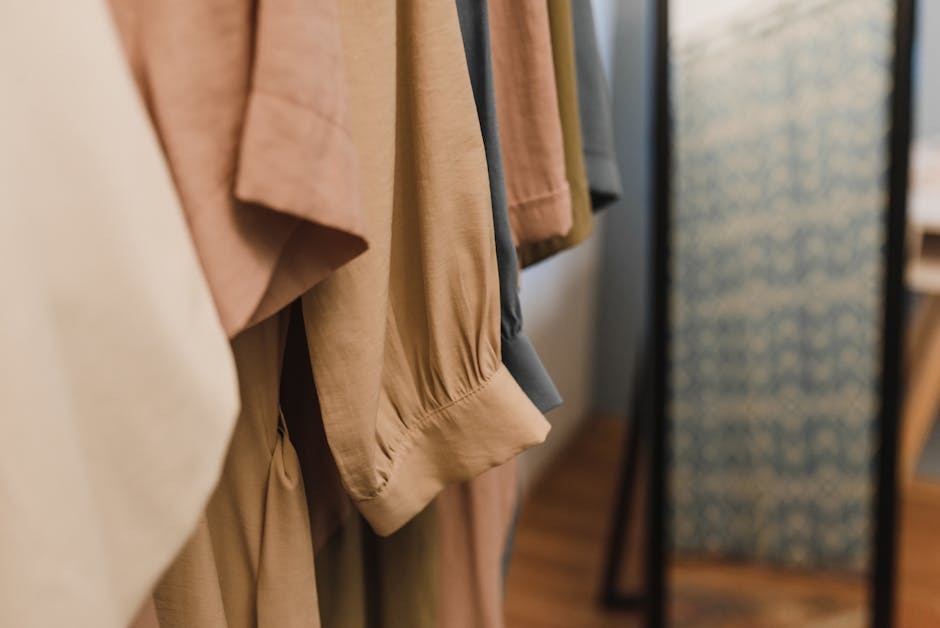
- Fabric composition honesty. Check fibre content percentages, not just brand marketing language. 100 percent polyester rompers photograph great but feel terrible after 4 hours of wear. Nylon-spandex blends (80/20 or 85/15) are the workhorse. Linen and modal blends for warm weather. Cotton-spandex for casual.
- Fit model specifications. Quality brands publish the fit model's measurements and the size she's wearing. If your measurements differ substantially, adjust accordingly.
- Actual customer photos. Brand photography uses specific lighting and styling. Scrolling through customer review photos reveals how the romper looks on real bodies in real light.
- Return policy specifics. Read the return policy carefully. Many brands exclude swimwear and sometimes rompers from standard returns. Final-sale items are a bigger risk on rompers than on most categories.
- Seam and construction details. Zoom in on product photos. Look for reinforced stitching at stress points (armholes, crotch, waist). Visible thread quality is a decent proxy for construction quality.
- Shoulder strap width. Narrow straps hurt after long wear. Wider straps (1.5 inch or more) carry better across 10-hour days.
- Inseam length specs. Inseam drives the work-appropriate versus weekend-casual read. Longer inseams (mid-thigh and below) generally work better professionally.
Industry commentary on sustainable fashion is tracked by Fashion Revolution's global movement, which evaluates brands on supply-chain transparency and ethical production, useful context for twenty-somethings trying to align wardrobe spending with values.
How Do You Actually Style a Romper Work-to-Weekend?
Styling is the piece that separates a romper from an outfit. The same romper works very differently with different accessories.
Work-ready styling:
- Blazer in a complementary neutral. Structured cotton blazer or unstructured linen blazer depending on weather. Adds formality without a full change.
- Closed-toe shoes. Loafers, block heels, or clean leather sneakers. Sandals read weekend.
- Minimal jewellery. One pair of small earrings, one bracelet or watch. No statement pieces.
- Polished bag. Structured crossbody or tote. Not a beach bag.
- Hair controlled. Low ponytail, clean bun, or sleek down.
Weekend-casual styling:
- Throw-on layers. Oversized button-down, denim jacket, or cropped cardigan.
- Flats or fashion sneakers. Flat sandals, slides, or white sneakers.
- Statement jewellery. Chunky earrings, layered necklaces, stacked bracelets.
- Casual bag. Tote, bucket bag, or crossbody.
- Effortless hair. Air-dried, messy bun, or visible texture.
Evening styling:
- Structured heels. Kitten heels, block heels, or strappy sandals depending on dress code.
- Elevated jewellery. Dressier earrings, layered necklaces, or a single statement piece.
- Clutch or small bag. Nothing larger than an iPad.
- Polished hair and makeup. The romper's simplicity wants the rest of the look to contribute.
- Outerwear. Leather jacket for cool evenings, cropped cardigan for cooler restaurants.
Travel styling:
- Comfortable shoes. Cushioned sneakers or supportive sandals.
- Functional bag. Crossbody or backpack that holds essentials.
- Minimal accessories. Don't bring anything you'll stress about losing.
- Layer-ready. Pack one light layer that works with the romper.
How Should You Build a Starter Romper Collection?
Twenty-somethings starting from scratch can build a solid rotation with three or four well-chosen pieces.
Priority 1: The neutral workhorse.
A tailored tie-waist romper in black, navy, or charcoal. Culotte-length or below-the-knee inseam. Styled well, reads work-ready. Styled casually, reads weekend-comfortable. This is the piece you'll wear most.
Priority 2: The weekend default.
A smocked-bodice or adjustable-waist romper in a bright or patterned fabric. Linen or cotton-blend. For weekend brunches, travel, and relaxed social events. Should feel like the piece you reach for when you haven't planned an outfit.
Priority 3: The evening option.
A satin or silk-blend romper in a dark colour (black, emerald, burgundy, navy). Fits well enough to read intentional for date nights or dinners. One great piece here beats multiple okay ones.
Priority 4: The utility piece (optional).
A functional romper with pockets and durable fabric. For travel days, hiking-adjacent activities, and tourist-heavy itineraries. Skip if you don't travel or do active weekends.
Retail industry research on emerging wardrobe trends is documented by the National Retail Federation, which tracks consumer buying patterns that inform what's worth investing in versus what's temporarily trend-driven.
What Are the Common Twenty-Something Romper Mistakes?
Buying the cheapest available. Fast-fashion rompers look fine in photos but fall apart after 10 wears. One $60 romper lasts longer than three $20 rompers.
Ignoring the bathroom-break reality. Complicated zippers and intricate strap designs become a problem at the office or in tight restroom stalls. Side-zip or pull-on styles work better for real daily wear.
Over-committing to trend colours. Bold seasonal colours date faster than neutrals. Build the core collection in timeless colours; add trend through accessories. This mindset pairs well with the kind of twenty-something realism captured in pieces like workplace commentary for a rough day, which frames career and wardrobe choices as decisions you make once and then live with for a while.
Skipping the fit check. Rompers sized for someone with different proportions produce the crotch-gap or too-tight problem that shows up in photos. Fit matters more than style.
Buying too many similar styles. Three similar black rompers don't serve three different contexts. Variety in inseam, neckline, and fabric produces more wear-days per piece.
Pairing only with sandals. Rompers styled only with sandals read summer-casual. Elevating with closed-toe shoes expands the styling range dramatically.
What to Remember
- Rompers fit the twenty-something wardrobe gap by covering multiple contexts on a single-purchase budget
- Different contexts (work, weekend, evening, travel) want different romper shapes; don't expect one romper to do everything
- Online shopping requires attention to fabric composition, fit model measurements, and customer review photos
- Styling accessories (blazer for work, sandals for weekend, heels for evening) change the romper's context read
- A starter collection of three or four well-chosen pieces outperforms seven cheap rompers
The Bottom Line on Rompers for Twenty-Somethings
The romper's real utility for twenty-somethings is time and budget efficiency. The right three or four pieces cover enough of your weekly life to make the morning wardrobe decision almost effortless across most days. The investment returns well if you buy thoughtfully and avoid the fast-fashion race-to-the-bottom on construction quality. Start with one neutral workhorse, one weekend default, and one evening option. Add accessories that extend the styling range. Your future self will thank the present self for not buying seven mediocre rompers when three great ones would have done the job.
Frequently Asked Questions
What's a reasonable budget for a starter romper collection?
One hundred fifty to three hundred US dollars for three quality pieces at the twenty-something budget level. Occasional sales bring that lower; premium brands push higher. Anything under fifty dollars per romper usually signals construction compromises that show within months.
Can rompers really work in professional settings?
Tailored rompers in solid neutrals, paired with blazer and closed-toe shoes, read professional in business-casual and creative-professional settings. Traditional corporate and client-facing roles still generally expect separates; read your specific workplace.
How do I pack rompers for travel?
Roll rather than fold to prevent waist creases. Use packing cubes to prevent wrinkling. Linen rompers wrinkle visibly; cotton and synthetic blends hold up better through transit. One or two rompers plus mix-and-match separates usually beat five rompers for most trips.
What's the right way to care for rompers long-term?
Cold wash on gentle cycle, line dry or low tumble dry. Avoid fabric softener (breaks down elastane). Steam rather than iron for most fabrics. Good care doubles the useful life of quality pieces.