From Breakouts to Recovery: How Treatments Support Teen Skin Concerns
When Teen Skin Needs More Than Just Time
Teen skin often goes through phases that feel unpredictable. One month it seems manageable, and the next, breakouts appear more frequently, leaving behind not just temporary spots but long-term marks that affect confidence.
What many don’t immediately realize is that acne is not only a surface-level issue. It reflects deeper changes happening in the body—hormones, stress levels, sleep patterns, and even lifestyle routines all influence how the skin behaves and heals.
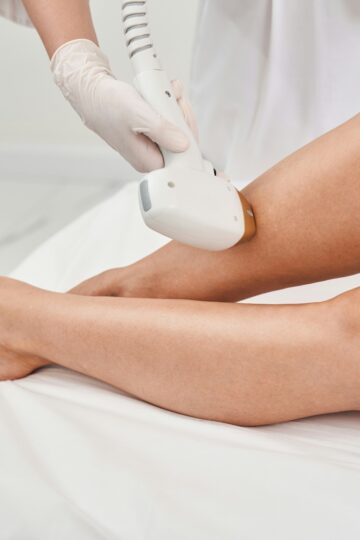
In some cases, when acne becomes persistent or begins to leave visible scars, families start looking for structured solutions. This is where consultation at an Aesthetic Clinic in Singapore is sometimes explored as part of a broader approach to managing teen skin concerns.
But treatment alone doesn’t define recovery. The process is much more layered. Teen skin is still developing, which means it responds differently compared to adult skin. Healing can be slower or more uneven depending on lifestyle habits and inflammation levels.
Understanding this connection is important because it shifts the focus from quick fixes to long-term skin health. Acne recovery isn’t just about clearing breakouts—it’s about helping the skin rebuild, stabilize, and regain balance over time.
And that’s where modern aesthetic care plays a supportive role—not replacing daily habits, but working alongside them to guide the skin toward healthier recovery patterns.
Why Teen Acne Is More Complex Than It Looks
Hormonal Fluctuations and Skin Activity
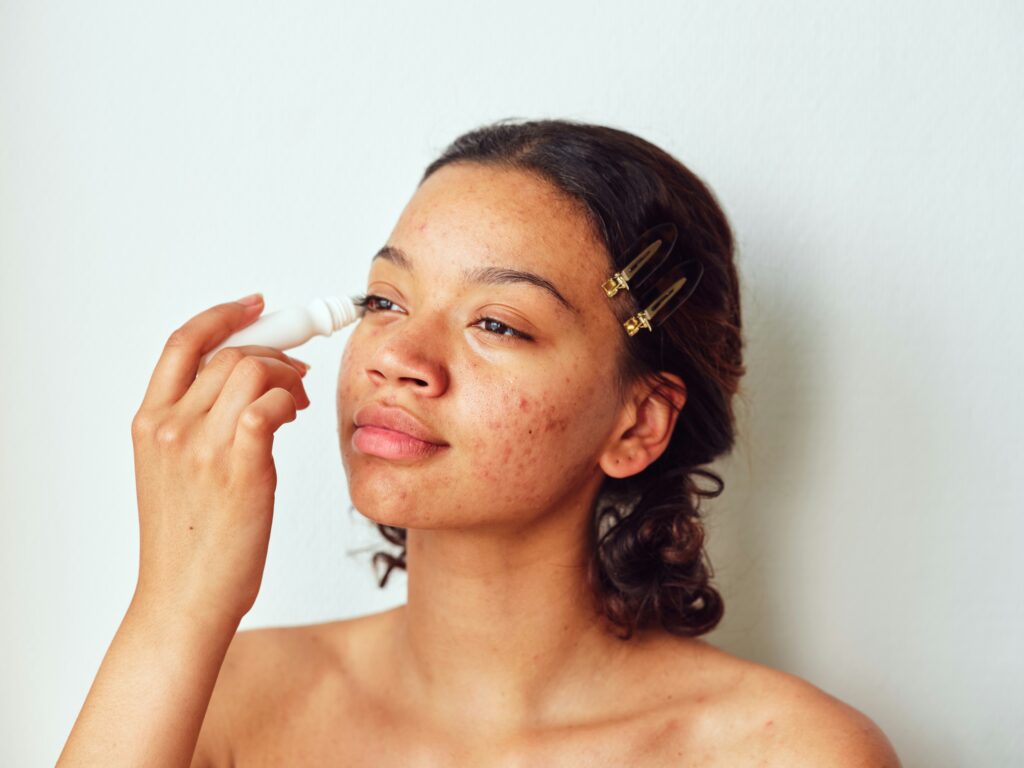
During adolescence, hormonal changes increase oil production in the skin. This excess oil can clog pores, leading to acne formation.
What makes teen acne more complex is how unpredictable these hormonal shifts can be.
Skin Sensitivity During Development
Teen skin is still maturing, making it more reactive to both internal and external triggers. Environmental exposure, stress, and diet can all influence how breakouts develop and heal.
This sensitivity means acne can appear suddenly and vary in severity over time.
The Inflammation Factor
Acne becomes more concerning when inflammation is involved. Inflamed breakouts are more likely to damage deeper layers of the skin, increasing the risk of scars forming during the healing process.
Understanding this progression helps explain why some acne fades quickly while others leave lasting marks.
How Acne Scars Develop During Teen Years
The Healing Process Gone Off Balance
Acne scars form when the skin’s natural healing response becomes uneven. After inflammation, the body produces collagen to repair damaged tissue.
If this process is disrupted, the skin may heal unevenly, creating indentations or raised areas.
The Role of Repeated Breakouts
Frequent acne in the same area increases the likelihood of scarring. Each cycle of inflammation puts additional stress on the skin’s repair system.
Over time, this repeated damage makes full recovery more difficult.
External Interference
Picking or squeezing acne can significantly increase the risk of scarring. It disrupts the healing process and pushes bacteria deeper into the skin, worsening inflammation.
These small actions often have long-term effects that are not immediately visible.
Lifestyle Factors That Influence Teen Skin Recovery
Sleep and Skin Regeneration
Sleep plays a critical role in skin repair. During deep sleep, the body restores cells and reduces inflammation.
Inconsistent sleep schedules interrupt this process, slowing down recovery from acne.
Stress and Hormonal Response
Stress increases cortisol levels, which can trigger more oil production and prolong inflammation.
This creates a cycle where acne takes longer to heal, increasing the chance of scarring.
Nutrition and Internal Balance
While food doesn’t directly cause acne, it influences inflammation levels in the body. Diets high in processed foods and sugar may contribute to more reactive skin in some individuals.
Balanced nutrition supports better skin resilience and recovery.
Daily Habits and Skin Stability
Simple habits like touching the face frequently, skipping cleansing routines, or using harsh skincare products can disrupt the skin barrier.
Over time, these habits affect how well the skin heals after breakouts.
How Modern Aesthetic Treatments Support Teen Skin Recovery
Supporting Natural Healing Instead of Replacing It
Modern aesthetic approaches focus on supporting the skin’s natural recovery process. The goal is not to force change but to guide the skin toward balanced healing.
Targeting Different Types of Scars
Acne scars vary in appearance and depth. Treatment approaches are often tailored based on whether the scars are shallow, deep, or discolored.
This personalized approach helps improve overall skin texture gradually.
Complementing Lifestyle Habits
Aesthetic treatments work best when combined with healthy routines. Sleep, stress management, and skincare consistency all enhance treatment outcomes.
This combination creates a more stable foundation for long-term improvement.
Gradual Improvement Over Time
Instead of immediate transformation, modern treatments focus on progressive improvement. This allows the skin to adjust naturally while minimizing irritation or sensitivity.
Building a Balanced Approach to Teen Skin Care
Daily Routine as the Foundation
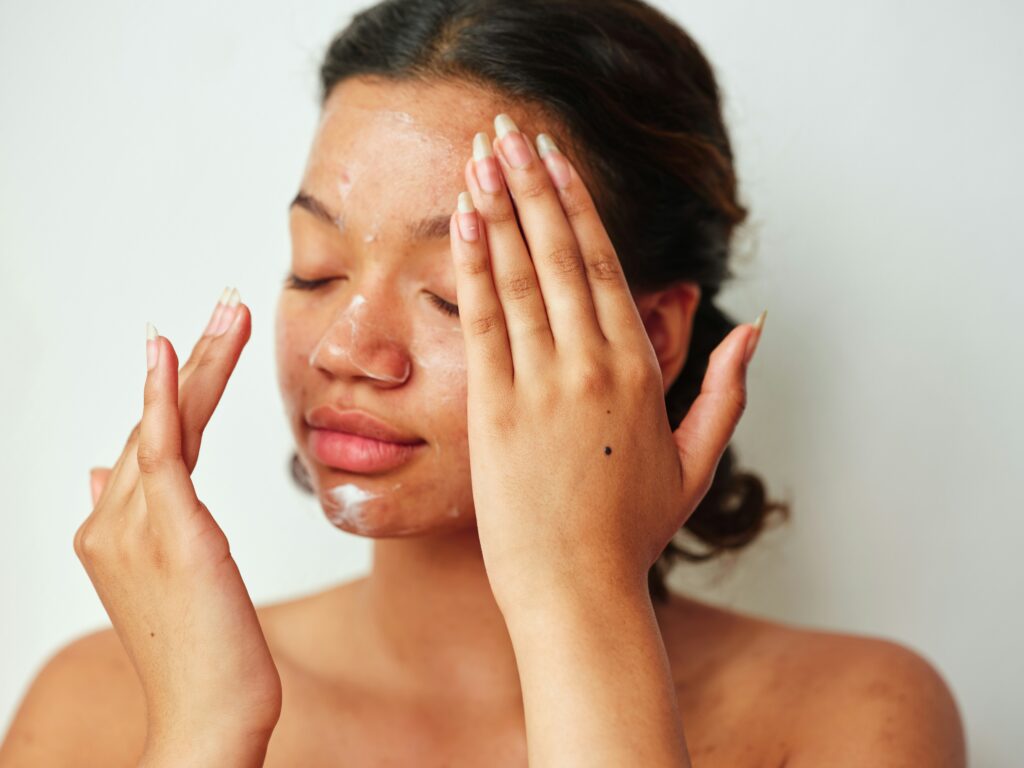
Basic skincare routines form the foundation of healthy skin management. Gentle cleansing, hydration, and sun protection help maintain balance.
Avoiding Overcomplicated Skincare
Teen skin does not require complex routines. Overuse of products can sometimes worsen sensitivity and disrupt the skin barrier.
A simple and consistent approach is often more effective.
Combining Professional and Daily Care
The best outcomes often come from combining daily habits with targeted professional support when needed.
This ensures both surface-level care and deeper skin concerns are addressed together.
Emotional Support and Confidence
Acne and scarring can affect confidence during adolescence. Supporting emotional well-being is just as important as treating physical symptoms.
A balanced approach helps teens feel more in control of their skin journey.
Long-Term Skin Awareness and Prevention
Early Awareness Reduces Scarring Risk
Understanding how acne develops helps reduce the likelihood of long-term scarring. Early care plays a major role in prevention.
Identifying Personal Triggers
Each individual has unique skin triggers. Learning what affects your skin helps improve long-term management strategies.
Building Sustainable Habits
Teen habits often carry into adulthood. Establishing healthy routines early creates lasting benefits for skin health and confidence.
Supporting Recovery Through Understanding and Care
Teen acne is more than a temporary phase—it is a complex interaction between hormones, lifestyle, and skin behavior. When breakouts occur, the way the skin heals determines whether scars will form or fade naturally.
Modern aesthetic care supports this process by guiding the skin toward more balanced recovery. It works alongside daily habits rather than replacing them, creating a more structured path to improvement.
What matters most is understanding that skin recovery takes time. Consistency, awareness, and balanced routines all contribute to better long-term outcomes.
When teens and families understand this process, they can approach skin care with more clarity and less stress. Instead of reacting to breakouts, they can focus on building habits that support healthy skin over time.
And that shift—from reaction to understanding—is where real recovery begins.
FAQs
1. Why does teen acne often take longer to heal?
Teen acne is influenced by hormonal fluctuations and skin sensitivity, which can slow down the healing process.
2. Can acne scars fade without treatment?
Some mild scars may fade over time, but deeper scars often require targeted care for noticeable improvement.
3. What lifestyle habits worsen teen acne?
Poor sleep, high stress, and inconsistent skincare routines can all contribute to more persistent breakouts.
4. Are aesthetic treatments suitable for teen skin?
When properly assessed, treatments are tailored to suit skin sensitivity and developmental stage.
5. How can acne scars be prevented in teens?
Early acne management, avoiding picking at pimples, and maintaining consistent skincare routines help reduce scarring risk.