
How to Start an HVAC Career in Your 20s
You don’t need a full plan to get into HVAC.
Most people don’t have one. They just want something steady, hands-on, and not stuck behind a desk all day. HVAC ends up being one of those paths that actually works.
If you’re in your 20s, it’s one of the more straightforward trades to get into.
What the Work Is Like
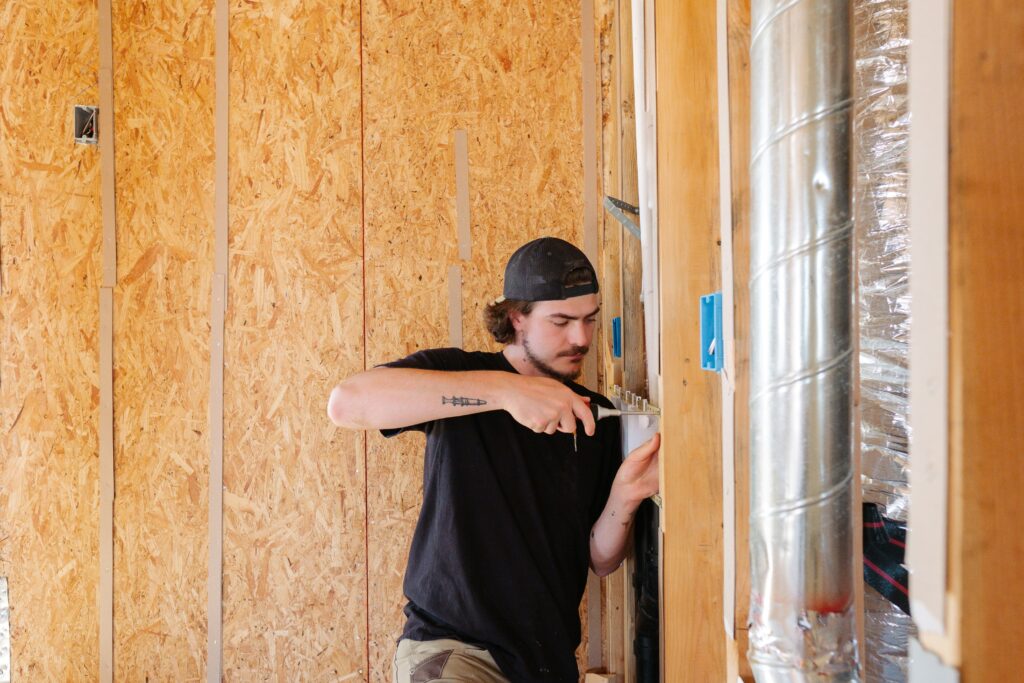
At a basic level, you’re working on heating, cooling, and refrigeration systems.
Some days are simple. Others aren’t. You’re figuring things out as you go—what’s wrong, what needs fixing, how to get it running again.
It’s physical, but it’s not random. There’s a process to it.
How Most People Start
You don’t jump straight into being a full tech.
A lot of people start as helpers or trainees. You’re assisting, learning how jobs run, getting used to tools, watching how more experienced techs handle things.
That early stage matters. It tells you pretty quickly if it’s something you actually want to stick with.
The One Certification You’ll Hear About
If you’re working with refrigerants, you’ll need EPA 608.
It sounds like a big deal at first, but it’s really just a required step. Most training programs include it, and once you pass it, you’re good to go.
Training Without Overthinking It
You don’t need years of school for this.
A lot of programs are designed to get you job-ready in months. The key thing is what they actually teach—electrical basics, refrigeration fundamentals, troubleshooting.
If you want a clear example of what that looks like, this overview can help: Tulsa Welding School explains how you can start a career in HVAC and what’s covered along the way.
Paying for Training Without Stressing It Too Much
Cost is usually the first thing people hesitate on.
And yes, it matters—but it’s not always as out of reach as it sounds. A lot of programs have payment plans, and some offer scholarships or financial aid depending on the situation.
It’s one of those things where it’s worth asking instead of assuming. Even a quick conversation can give you a clearer idea of what’s realistic.
Most people figure this part out as they go, not all at once.
The Timeline Is Shorter Than You Think
This isn’t a four-year path, but you can start it as one of your 2026 goals and make progress from there.
Plenty of people go from training into entry-level work pretty quickly. After that, most of what you learn happens on the job.
You’re not expected to know everything upfront.
The Stuff People Don’t Mention
The technical side matters, but so does everything else.
Showing up on time. Talking to customers. Not freezing when something doesn’t go as planned.
That part gets easier with time, but it’s part of the job from day one.
It’s About Starting Somewhere
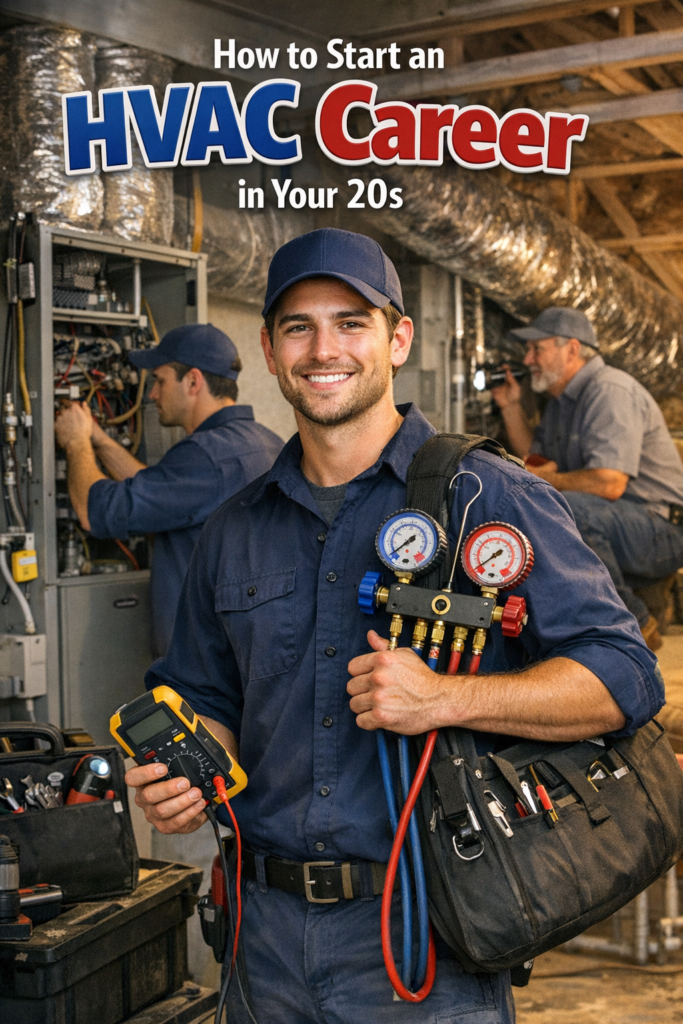
Look into programs and talk to someone in the field. See if you can shadow a tech for a day. Even a small step gives you a better sense of what you’re getting into.
You don’t need to have it all figured out before you begin.
And if you’re looking for something steady that you can build on pretty quickly, HVAC is one of those paths that’s worth trying—especially in your 20s. If you’re still figuring things out, that’s normal. The best move is just to keep looking into options and seeing what fits.
For more career ideas, practical paths, and ways to get started without overcomplicating it, take a look around the rest of the site—you’ll find more like this.