Money Habits That Haunt You: How to Break Bad Spending Cycles
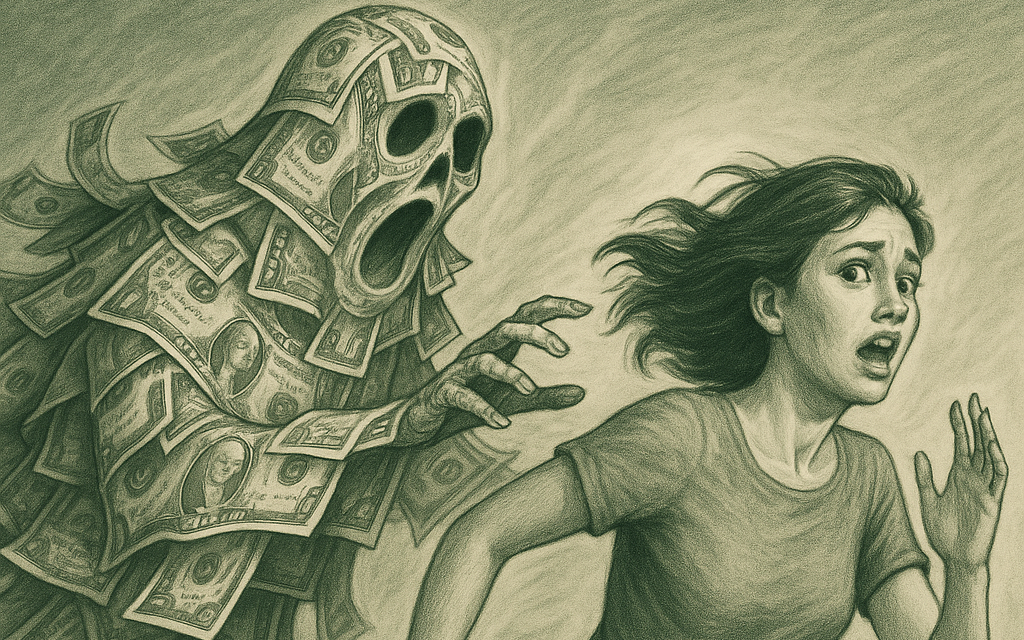
You know what’s scarier than ghosts, ghouls, or haunted houses? A bank account that mysteriously hits zero days after payday. Cue the horror music. We all have bad spending cycles and money habits that haunt us.
From impulse shopping to forgetting to cancel subscriptions we swore we’d use. And even though we’ve promised ourselves we’d do better, sometimes we still fall into the same old bad spending cycles. Like a financial time loop. Or a cursed credit card.
But here’s the good news: you can absolutely break free from those spooky spending spirals. It just takes awareness, intention, and a few habit-rewiring tricks.
So grab your pumpkin spice latte, light a fall-scented candle, and let’s talk about how to exorcise those money demons... once and for all.
1. The Impulse Spending Phantom
Haunted Habit: You make a quick Target run for toothpaste and suddenly you're walking out with a cart full of throw pillows, lip balm, and pumpkin-shaped mugs. The ghosts of poor spending decisions past whisper, “But it was on sale…”
Why It Happens: The bad spending cycle of impulse spending often fills an emotional gap—boredom, stress, or the thrill of a "treat." Social media and marketing don’t help. That “Add to Cart” button is too easy.
Break the Spell:
- Use the 24-hour rule. If you see something you want (but don’t need), wait 24 hours. Chances are the urge will pass. And if it doesn’t, you’ll know it’s worth the splurge.
- Unsubscribe and unfollow. Remove temptation by unsubscribing from promo emails and muting influencer hauls if they trigger FOMO.
- Create a “Want, Not Now” list. Jot down the item and revisit it in a week. If you still want it and it fits your budget, go for it.
Mantra to break the curse: “Just because I want it now doesn’t mean I need it now.”
2. The Pumpkin-Spending Curse (aka Seasonal Oversplurging)
Haunted Habit: You go all out every season: fall candles, new sweaters, Halloween party decor, seasonal drinks... and suddenly your budget is vanishing faster than a ghost in the mist.
Why It Happens: Seasonal shifts trigger a desire for renewal as well as comfort. Marketers know this, and they’re really good at making you feel like you need that $42 limited-edition candle to fully experience fall.
Break this Bad Spending Cycle Spell:
- Set a seasonal spending cap. Choose a number (e.g., $100 for all fall extras) and then stick to it. Use cash or a prepaid card if needed.
- Prioritize your favorites. Love fall drinks? Budget for them. Don’t care about new decor? Skip it. Make room for what brings you the most joy.
- DIY the vibe. Cozy doesn’t have to cost a lot. Try thrifted decor, baking at home, or trading items with friends.
Mantra to break the curse: “I can embrace the season without emptying my wallet.”
3. The Vampire Subscriptions - The Bad Spending Cycle That Drains You
Haunted Habit: You keep getting hit with monthly charges for streaming services, fitness apps, or random trials you forgot to cancel. These sneaky expenses bleed your account dry—quietly, slowly, and relentlessly.
Why It Happens: Subscriptions are easy to sign up for and even easier to forget about. Autopay can be both a blessing and a curse.
Break the Spell:
- Do a subscription audit. Pull up your bank statements and make a list of all recurring charges. Are you actually using them?
- Cancel what you don’t need. Be ruthless. If you haven't used it in a month, say goodbye. Or if you can't say farewell, look into lower costs plans that can still meet your needs.
- Bundle smartly. If you love streaming, consider a family plan or a bundle like Hulu/Disney+/ESPN+. Save where you can.
Mantra to break the curse: “If it’s not bringing value, it’s not worth the cost.”

4. Zombie Budgeting (aka the Budget That Lives… But Doesn’t Work)
Haunted Habit: You technically have a budget, but you haven’t looked at it in weeks. It’s outdated, too strict, or doesn’t reflect your real spending habits. It’s the financial equivalent of a walking corpse.
Why It Happens: Budgeting can feel overwhelming, restrictive, or even boring. If your budget doesn’t match your lifestyle then it won’t stick.
Break the Spell:
- Make it personal. A budget should reflect your values. So, if you love travel or coffee, make room for it.
- Use the 50/30/20 rule. Spend 50% on needs, 30% on wants, and 20% on savings/debt. It’s simple as well as sustainable.
- Check in weekly. Light a candle, pour a cozy drink, and also make it a “money date” with yourself to review spending.
Mantra to break this bad spending cycle curse: “A living budget grows and changes with me.”
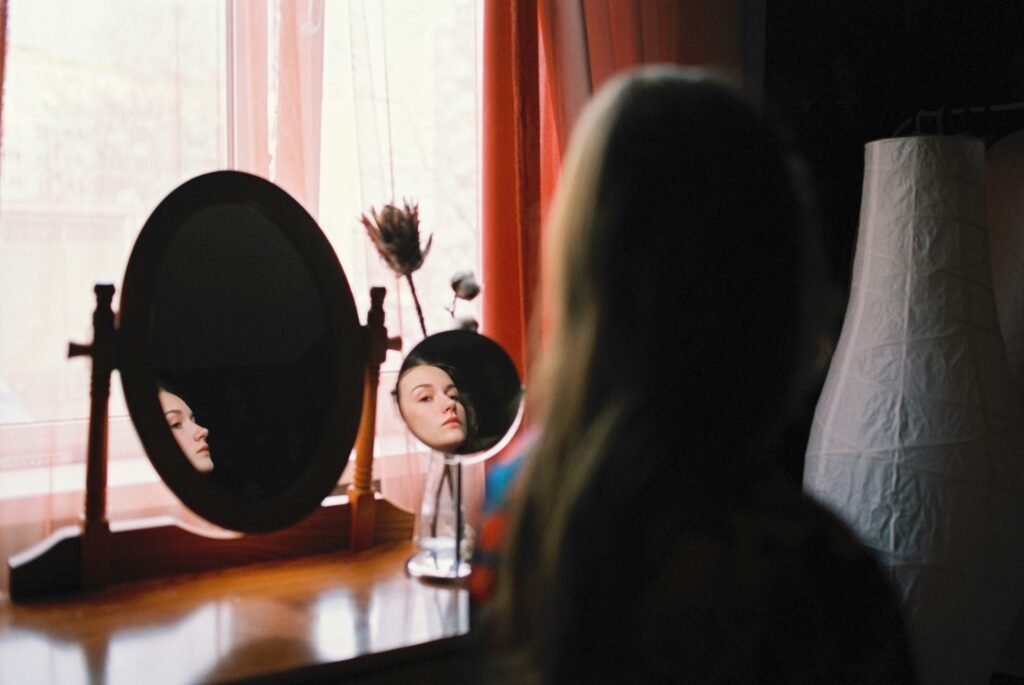
5. The Mirror of Comparison - A Bad Spending Cycle that Needs to be Shattered
Haunted Habit: You see your friends booking trips, buying homes, or upgrading wardrobes, and suddenly you feel behind. So you spend to keep up, even if it doesn’t align with your goals.
Why It Happens: Social media is a highlight reel. We rarely see the credit card debt, side hustles, or help behind the scenes.
Break the Spell:
- Mute to protect your peace. If someone’s content triggers spending guilt or envy, mute or unfollow.
- Define your own goals. Write down why you’re saving and what’s important to you, not what looks good on Instagram.
- Celebrate financial wins. Paid off a credit card? Stuck to your budget this week? That’s worth celebrating.
Mantra to break the curse: “Someone else’s timeline isn’t my truth.”
6. Credit Card Creep
Haunted Habit: You meant to pay it off. Really. But the balance just keeps growing—little by little—until it feels like a monster you can’t tame.
Why It Happens: Credit cards separate the “pain of paying” from the purchase, and so making it easy to overspend. And if you’re only paying the minimum, interest creeps in quickly. This bad spending cycle can spoil things rotten faster than you can blink or wave a sage stick.
Break the Spell:
- Stop the bleed. Pause all non-essential credit card spending until you’ve made a plan.
- Choose a payoff method: Try the debt snowball (pay smallest debt first) or the avalanche (pay highest interest rate first).
- Automate payments. Even an extra $25/month toward your balance adds up and also chips away at the beast.
Mantra to break the curse: “I am in control, not my credit card balance.”
7. The Fear of Looking at Your Finances - Yes, This is Also a Bad Spending Habit
Haunted Habit: You avoid checking your bank account, ignore emails from your student loan servicer, and then hope your money situation will magically get better if you just don’t look at it. (Spoiler: It won’t.)
Why It Happens: Avoidance is often a defense mechanism. Money can feel tied to shame, overwhelm, or past mistakes.
Break the Spell:
- Do a “money reset” session. Block off 30 minutes, play chill music, and gently review your finances. Start with awareness, not judgment.
- Use positive self-talk. Replace “I’m bad with money” with “I’m learning how to manage my money.”
- Set one small goal. Open a high-yield savings account. Track your spending for a week. One step at a time.
Mantra to break the curse: “I’m not afraid to face my finances. I’m ready to take charge.”

Final Thoughts: Don’t Fear the Finances—Reclaim Them and Break Those Bad Spending Cycles
Breaking bad money habits isn’t about being perfect. It’s about being aware, getting curious, and making intentional choices, even when it’s hard.
Because here's the truth: every step you take to understand your habits, adjust your spending, and build better systems is an act of financial self-care. And that’s not scary, that’s empowering.
So whether you’re haunted by an old credit card balance, addicted to late-night impulse shopping, or stuck in a cycle of avoidance, know this: you can rewrite the story.
You don’t need a magic potion. Just a little courage, clarity, and commitment.
This fall, don’t let your money habits haunt you. Light the candles, grab your favorite sweater, and start building a financial future that doesn’t give you nightmares, but sweet, stress-free dreams instead.


About the Author

Anna is a twenty-something living in the south. She's passionate about family, crafting, and continuing her education beyond her college degree.