Lifestyle Upgrades That Start Outside the Front Door
Many lifestyle changes happen so gradually that they are almost invisible while they are occurring. A family starts spending less time outdoors. Friends gather at restaurants instead of homes. Evenings become centered around screens rather than shared spaces. Certain parts of the property slowly disappear from daily routines without anyone making a conscious decision to abandon them. Years later, homeowners often realize they have been living around their property rather than fully using it.
This realization is one reason exterior-focused lifestyle upgrades have become increasingly appealing. People are paying closer attention to the spaces they interact with before entering the house and after stepping outside it. In Pittsburgh, where each season creates a different relationship between homeowners and their properties, those transitions become especially noticeable. A front entry, backyard, patio, or outdoor gathering area can feel completely different depending on how well it supports everyday life. The most meaningful upgrades are often the ones that make people engage with their property differently.
Exterior Comfort
A surprising number of homeowners gradually stop using parts of their property long before those spaces physically deteriorate. The front porch becomes something you walk past rather than sit on. Outdoor seating exists more for appearance than actual use. The backyard becomes a view from the kitchen window instead of an extension of daily life. Nothing dramatic causes this change. It usually happens through small inconveniences, declining comfort, or a growing sense that the exterior no longer supports the way you want to spend your time.
Lifestyle upgrades often make the exterior feel dependable, comfortable, and worth engaging with again. A property that feels protected and well-maintained naturally encourages greater use. Many homeowners discover that this renewed sense of comfort starts with practical improvements to the home's protective systems. Conversations with a Pittsburgh roofer often emerge within that larger effort because confidence in the condition of the property influences how comfortable people feel investing their time, attention, and daily activities in the spaces surrounding it.
Everyday Arrival
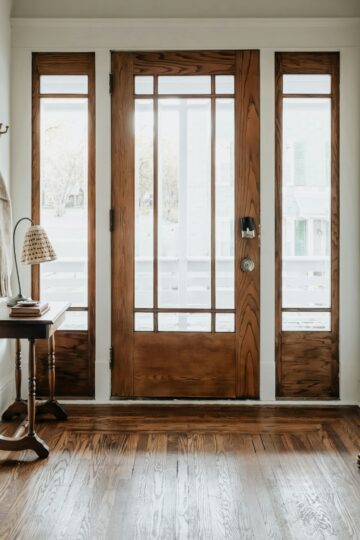
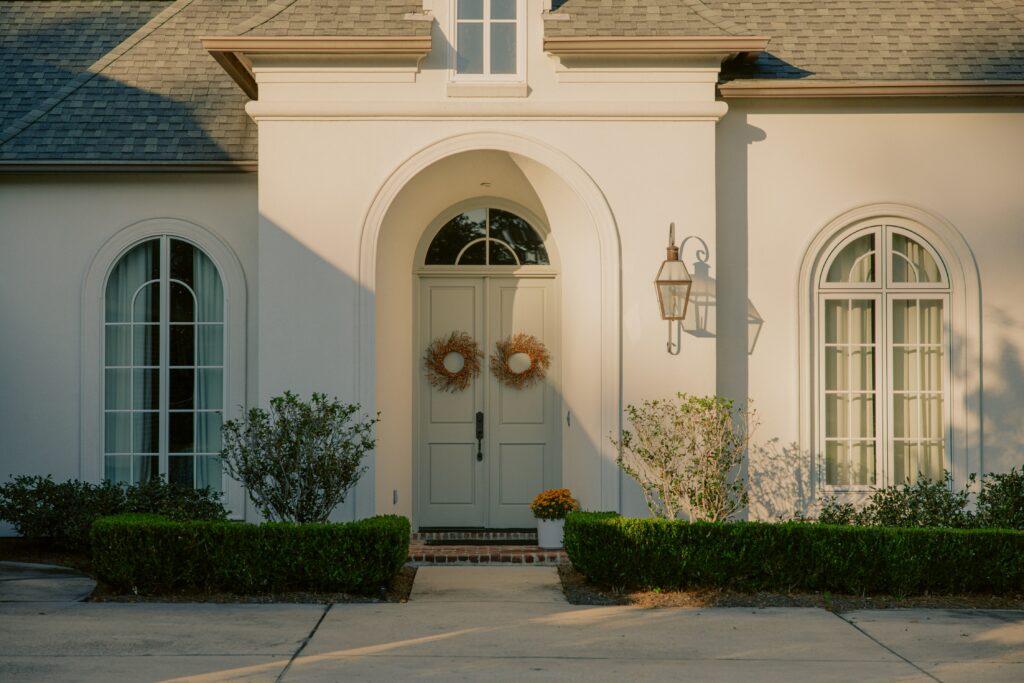
Few experiences are repeated as often as coming home, yet most homeowners rarely think about how that experience feels. The journey from the street to the front door happens hundreds of times each year. Over time, those moments shape your perception of the property more than many larger features ever will. A cluttered, inconvenient, or uninspiring arrival experience can quietly influence the way the home feels without ever becoming an obvious problem.
The most successful entryways tend to do something subtle. They create a sense of transition. The stress of the day begins fading before the front door even opens. Good lighting, intuitive pathways, practical shelter, and welcoming design elements all contribute to that feeling. The result is not simply a better-looking entrance. It’s a daily experience that feels smoother, calmer, and more intentional.
Gathering Spaces
Many outdoor gathering areas are designed around special occasions. Homeowners imagine birthday celebrations, summer parties, and large family events when planning these spaces. However, the outdoor areas that become most valuable are often the ones used during ordinary moments rather than memorable events. A place that supports everyday life tends to create stronger connections than one reserved for rare occasions.
Think about the conversations that happen unexpectedly. A neighbor stopped by for a few minutes. Family members linger outdoors after dinner. Friends are staying longer than planned because nobody feels ready to leave. Those interactions require comfort, accessibility, and a space that feels natural to occupy.
Weather Readiness
A property that struggles during rain, snow, extreme heat, or seasonal transitions often changes how people use it. Outdoor plans get canceled. Certain areas become inconvenient. Routines start revolving around limitations rather than opportunities.
Weather-ready homes create a different experience. They allow daily life to continue with fewer interruptions. Outdoor spaces remain functional through a wider range of conditions. Movement around the property feels predictable. Seasonal changes become part of the experience rather than obstacles to it. The practical benefits are obvious, but the lifestyle impact is often overlooked.
After-Dark Living
Many properties effectively close for business after sunset. Outdoor spaces that feel inviting during daylight hours suddenly become forgotten once darkness arrives. Patios sit empty. Walkways feel disconnected. Areas that could support relaxation or social interaction become spaces people simply move through as quickly as possible.
Thoughtful exterior lighting changes the role those spaces play in everyday life. The property remains active for longer periods of the day. Evening conversations become more common. Outdoor dining feels natural rather than occasional. Even a simple walk through the yard can become a more enjoyable experience. Good lighting does not merely improve visibility. It extends the life of the property itself, creating opportunities for use that otherwise would never occur.
Outdoor Safety
Safety influences lifestyle in ways that often go unnoticed because its greatest benefit is the absence of problems. Families rarely think about pathways, visibility, or accessibility during routine days. The value becomes apparent during moments when children are running through the yard, guests are arriving after dark, or multiple generations are navigating the property at the same time. Those everyday situations reveal whether the exterior truly supports the people using it.
A safer outdoor environment encourages greater participation. Parents feel comfortable allowing children to explore the yard. Guests move through the property with confidence. Family members spend more time outdoors because the environment feels intuitive and secure. Lifestyle upgrades that improve safety often create a ripple effect.
Everyday Ease
Many homeowners associate stress with major repairs or unexpected expenses. A surprising amount of household frustration, however, comes from smaller issues that repeat continuously. An awkward walkway. A drainage concern that resurfaces after every storm.
Exterior improvements often succeed because they remove friction. They simplify routines that occur repeatedly throughout the year. Once those frustrations disappear, homeowners frequently notice something interesting: they spend less time managing the property and more time enjoying it. The upgrade itself may seem relatively modest, but the lifestyle impact comes from eliminating hundreds of small inconveniences that previously demanded attention.
Neighborhood Connection
Front porches, entryways, outdoor seating areas, and visible gathering spaces all influence how people interact with one another. Some properties naturally encourage casual conversations and spontaneous encounters. Others create a stronger separation between private life and the surrounding community.
Neither approach is inherently right or wrong, yet many homeowners discover they value connection more than they initially expected. A welcoming exterior can make brief interactions feel natural. Neighbors stop to chat. Conversations begin more easily. Familiar faces become part of everyday life.
Lifestyle upgrades that start outside the front door influence how people spend their time, interact with others, navigate daily routines, and experience their property throughout the year. Comfort, connection, convenience, flexibility, and enjoyment often begin with spaces that many homeowners overlook.