How To Start A Budget-Friendly Home Garden In Your 20s
Your 20s are a time to explore new interests, develop practical skills, and learn how to manage your money. Starting a home garden can be a rewarding way to accomplish all three without spending a fortune. Whether you live in a small apartment or have access to a backyard, gardening offers opportunities to grow plants, enjoy nature, and create a more relaxing living environment.
Many young adults assume gardening requires expensive equipment, plenty of outdoor space, and years of experience. However, you can create a thriving garden with a modest budget, basic supplies, and a little patience. The key is to start small, make thoughtful decisions, and gradually expand your gardening skills.
Start With A Realistic Gardening Budget
Before buying plants or equipment, decide how much you can comfortably spend on your new hobby. Setting a budget helps you avoid unnecessary purchases while focusing on the supplies you actually need.
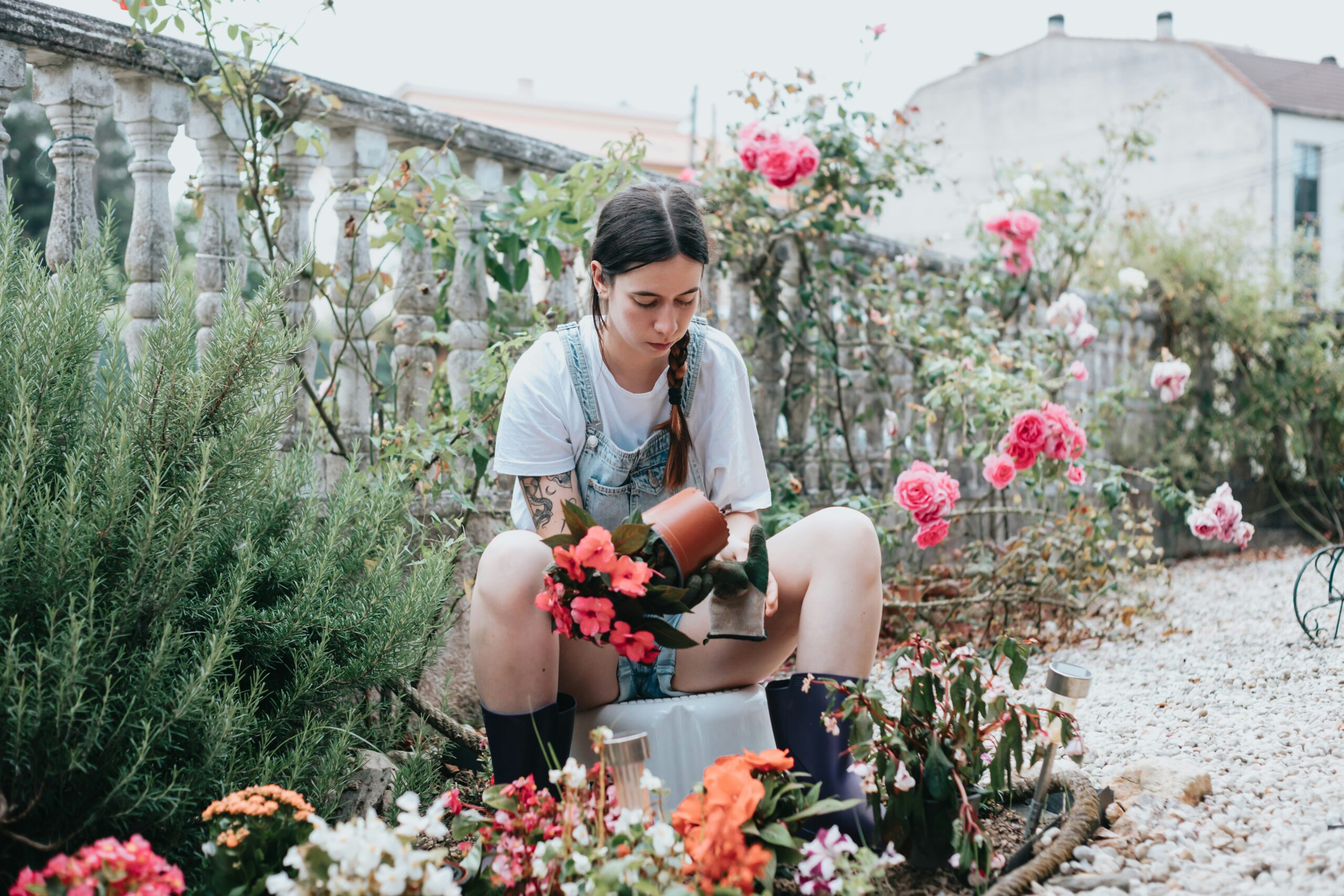
A beginner garden doesn't require expensive raised beds, decorative containers, or advanced watering systems. Start with essentials such as seeds, suitable soil, basic containers, and a watering can. You can always invest in additional equipment once you understand your gardening needs.
Consider setting aside $20 to $50 for your first small gardening project, depending on the supplies you already own. This amount can cover several inexpensive plants or seed packets, particularly when you reuse containers and shop carefully.
Choose A Gardening Space That Works For Your Lifestyle
You don't need a large backyard to enjoy growing plants. Apartment balconies, sunny windowsills, patios, and small outdoor corners can all become productive gardening spaces.
Begin by observing how much sunlight your chosen area receives throughout the day. Different plants require different lighting conditions, so understanding your available sunlight helps you select suitable varieties.
If you live in an apartment, container gardening offers an affordable and flexible solution. You can move pots when necessary, organize plants vertically, and create a small garden without making permanent changes to your rental property.
For anyone sharing accommodation, a compact windowsill garden can provide a personal project without taking up communal space. Herbs and smaller leafy vegetables are particularly useful options for beginners with limited room.
Select Affordable Plants That Are Easy To Maintain
Choosing the right plants can make a significant difference to your gardening experience and overall expenses. Beginners should prioritize varieties that suit their climate, available space, and daily schedules.
Herbs such as basil, parsley, and chives are popular because they require relatively little space and provide useful ingredients for everyday cooking. Lettuce, radishes, and certain compact tomato varieties can also work well in small home gardens.
Growing plants from seeds is often more affordable than purchasing established plants, although seedlings may offer a quicker start. Comparing seed varieties and understanding their growing requirements can help you avoid wasting money on unsuitable choices.
The goal is to select plants that you can realistically maintain rather than filling your garden with too many varieties. Starting with three or four different plants allows you to build confidence while learning how each one grows.
Save Money By Reusing Everyday Household Items
One of the easiest ways to reduce gardening expenses is to repurpose items you already have at home. Instead of purchasing decorative planters, consider using clean plastic containers, old buckets, or unused flowerpots.
Make sure your chosen containers have adequate drainage holes to prevent excess water from accumulating around plant roots. Also avoid containers that previously held harmful chemicals, especially when growing edible plants.
You can find affordable gardening supplies at thrift stores, community markets, and neighborhood garage sales. Friends and family members may also have unused pots, gardening tools, or plant cuttings they would happily share.
Repurposing materials saves money, encourages creativity, and reduces unnecessary waste. It also allows you to personalize your gardening space without investing in expensive decorations.
Learn How To Choose Quality Seeds
Buying seeds might seem straightforward, but choosing suitable varieties requires some research. Different plants have specific growing requirements, and understanding these conditions can improve your chances of success.
Look for reputable suppliers that provide clear information about their seeds, including growing conditions and plant characteristics. Specialty retailers such as Liberty Seed Bank offer feminized seed varieties for adults interested in legally permitted cultivation.
Before purchasing any seeds, research their suitability for your climate, available space, and local regulations. This preparation can prevent disappointing results and help you spend your gardening budget more effectively.
Create A Simple And Affordable Gardening Routine
Gardening doesn't need to become another overwhelming responsibility in your already busy schedule. Establishing a manageable routine makes it easier to care for your plants while balancing work, studies, and social activities.
Spend a few minutes each morning or evening checking soil moisture, examining leaves, and looking for signs of growth. Regular observation helps you identify potential problems before they become expensive or difficult to resolve.
Avoid watering plants automatically without checking whether they actually need moisture. Overwatering can damage roots, while insufficient watering can cause plants to wilt or stop growing.
According to the University of Maryland Extension's container gardening guidance, container plants require careful monitoring because their soil can dry out quickly. Learning to recognize your plants' individual needs helps you establish an efficient routine without wasting water or supplies.
Take Advantage Of Free Gardening Resources
You don't need to purchase expensive gardening courses or reference books to develop useful skills. Numerous free resources can help you understand plant care, seasonal growing conditions, and common gardening challenges.
Public libraries, university extension programs, and community gardening organizations often provide educational materials for beginners. Online gardening communities can also offer practical advice from people who have experience growing plants in similar environments.
Consider joining a local gardening group where members exchange seeds, cuttings, and unwanted supplies. These communities provide opportunities to learn new techniques while connecting with people who share your interests.
Turn Gardening Into A Relaxing Self-Care Activity
Your 20s can involve considerable pressure as you navigate career decisions, financial responsibilities, and personal relationships. Gardening offers an opportunity to disconnect from screens and focus on a practical, hands-on activity.
Spending time caring for plants can encourage mindfulness by directing your attention toward simple daily tasks. Watching seeds germinate and plants develop also provides a sense of accomplishment that doesn't depend on professional or academic achievements.
You can make gardening more enjoyable by listening to music, keeping a plant journal, or inviting friends to participate. These activities turn an inexpensive hobby into a meaningful part of your weekly routine.
Expand Your Garden Gradually As Your Skills Improve
It's tempting to purchase more plants and equipment once you start enjoying gardening. However, expanding too quickly can increase expenses and make maintenance difficult.
Wait until you've successfully cared for your first few plants before introducing additional varieties. This approach allows you to understand your available space, seasonal conditions, and preferred gardening methods.
You can also save money by propagating suitable plants from cuttings or collecting seeds from appropriate varieties. Over time, these techniques can help you develop a larger garden without continually purchasing new plants.
Conclusion
Starting a home garden in your 20s doesn't require significant financial resources or extensive gardening experience. With careful planning, affordable materials, and a willingness to learn, you can create an enjoyable green space that fits your lifestyle.
The most important thing is to start with realistic expectations and build your skills gradually. Even a few plants on a sunny windowsill can provide opportunities for creativity, relaxation, and personal growth.
By approaching gardening as an affordable, long-term hobby, you can develop practical skills while creating a more welcoming home environment. Your garden can grow alongside your confidence, experience, and changing interests throughout your 20s.