
How to Overcome Your Fear of the Dentist (And Finally Prioritize Your Smile)
Let’s be honest: most of us don’t exactly look forward to dentist appointments. Between the sound of the drill, the sterile smell, and the fear of being told you need another filling, it’s easy to put off visits far longer than we should. But taking care of your oral health is one of the best self-care habits you can invest in—especially in your twenties and beyond.
Whether you grew up dreading the paediatric dentist or you’re just long overdue for a cleaning, here’s how to make your next visit less stressful and more empowering.
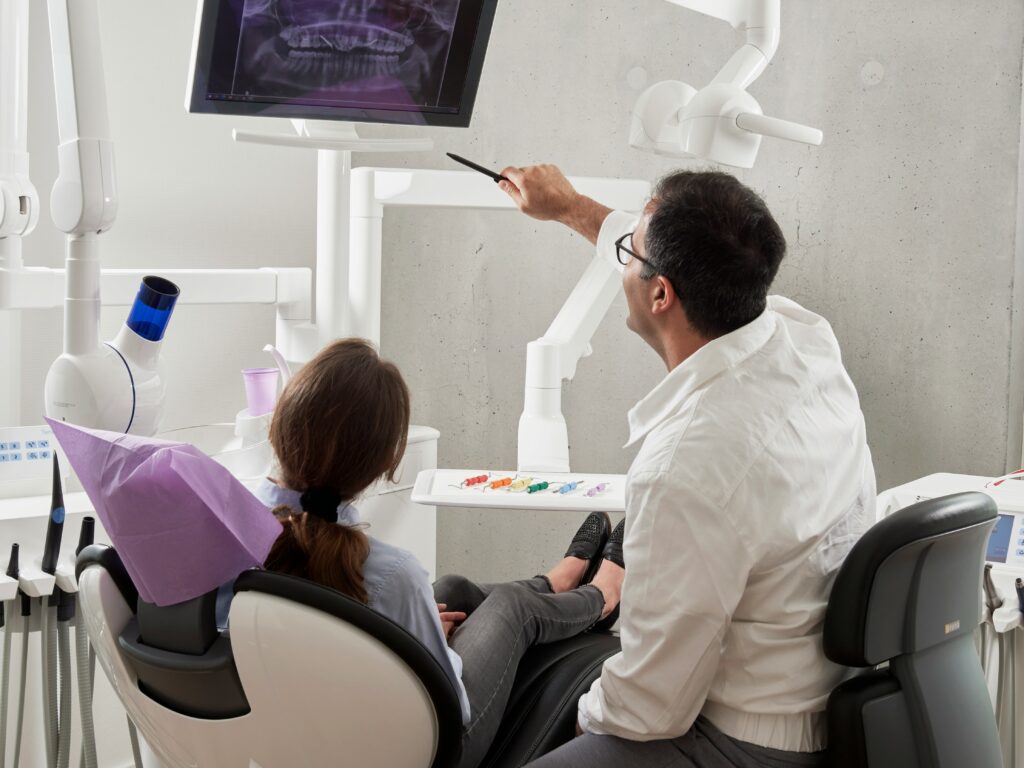
1. Find the Right Dentist for You
Not all dental offices are the same. Look for someone who takes time to explain things, makes you feel comfortable, and doesn’t rush through appointments. Reading reviews and calling to ask about their approach can make a world of difference. Clinics such as Nuffield Dental continue to show how compassionate approaches shape not just healthy teeth but also lifelong confidence.
If you’re someone who’s had a lot of anxiety around dental care, try finding a provider who specializes in gentle or family dentistry. For parents, seeing how calm and confident your child feels with a paediatric dentist can make you realize how much the right environment matters—even for adults.
Paediatric dentists are trained to make the dental experience fun, engaging, and fear-free for kids, by doing things like letting them pick the flavor of fluoride gel, and that same kind of compassionate care exists for adults too. The key is finding someone who prioritizes communication and trust.
2. Understand the “Why” Behind Your Fear
Dental anxiety often stems from bad experiences or fear of pain. If that’s you, it might help to talk to your dentist before your appointment and explain what makes you nervous. Many offices now offer comfort-focused care: noise-canceling headphones, blankets, aromatherapy, and even stress balls to help you relax.
Sometimes, fear comes from feeling out of control. Ask your dentist to walk you through each step or agree on a signal (like raising your hand) if you need a break. Knowing you have a say in what happens can reduce a lot of that tension.
You’re allowed to advocate for yourself and set boundaries. Your dentist wants you to have a positive experience, too.
3. Start Small (and Reward Yourself)
If you’ve skipped a few cleanings, don’t panic. Schedule a consultation or a short visit first—just to get comfortable again. Bring a friend, listen to calming music, or treat yourself to a coffee afterward as positive reinforcement. Small wins build momentum, and soon your twice-a-year visits will feel totally doable.
You might even notice a confidence boost when you start taking care of your teeth regularly. There’s something empowering about reclaiming control over things you’ve been avoiding. And that confidence often spills into other areas of your life—work, relationships, and even how you show up for yourself daily.
4. Make Oral Health Part of Your Wellness Routine
Think of dental care as part of your overall self-care, not separate from it. Brushing and flossing are small daily habits that impact everything from your confidence to your immune system. Add them to your morning and evening routines—right alongside your skincare, journaling, and hydration goals.
Try romanticizing it a little: use toothpaste that tastes good, a soft-bristled brush that feels gentle, and a cup you love for rinsing. The more you make your dental routine feel like an act of care rather than a chore, the more consistent you’ll be with it.
5. Remember: Prevention Is Power
Taking care of your teeth early means fewer problems (and less anxiety) later. Preventative care—regular cleanings, checkups, and fluoride treatments—keeps you healthier in the long run. And if you have kids, starting them young with a paediatric dentist can teach lifelong habits around comfort and confidence at the dentist’s office.
Good dental health isn’t just about your smile—it’s connected to your heart health, immune system, and even energy levels. Brushing, flossing, and routine visits aren’t minor details—they’re part of feeling your best and showing up for yourself every day.
Final Thoughts
Fear of the dentist is more common than you think—but it doesn’t have to hold you back. By finding a supportive provider, easing into appointments, and reframing dental care as self-care, you can turn a dreaded chore into something empowering.
The truth is, confidence often starts with the small things—like smiling without hesitation or knowing you’re taking care of your health in every way you can. Prioritize your smile the same way you’d prioritize your mental health, your skincare, or your morning coffee ritual. Your teeth—and your future self—will thank you for it.
More Wellness
- The Signs of a Treatment Program That Actually Helps Support Recovery
- COA Meaning, Explained: How to Read the Paper Trail Behind a Research Peptide Supplier
- Your Tote Bag Holds Everything. Why Is One Shoulder Doing All the Work?
- Why midi dresses have become one of the most adaptable pieces in the modern wardrobe