
How to Make Your Home Feel More Put-Together in Your 20s
When you first start shaping a home of your own, it’s easy to feel caught between wanting a space that reflects who you are and not quite knowing how to pull everything together. You might have pieces you’ve gathered over the years, a few hand-me-downs, and the odd impulse buy that doesn’t quite fit.
Creating a home that feels intentional doesn’t require a huge budget or a sudden leap into full adulthood. It grows from small, thoughtful choices that make your rooms feel calmer, more cohesive and easier to live in every day.
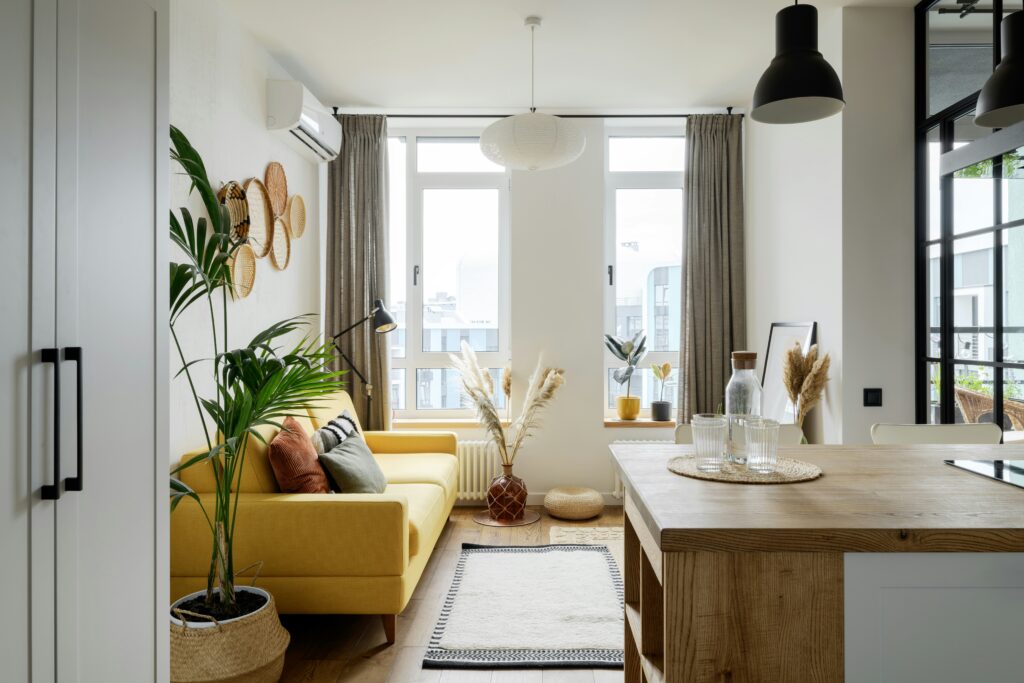
Stick to a Cohesive Color Palette
A consistent palette helps your home feel grounded, even if your furniture comes from different places. Start by choosing one main colour you genuinely enjoy living with, then add one or two supporting shades. This gives you a framework when you shop, so you avoid buying items that clash or feel out of place.
For example, if you settle on warm neutrals with soft greens, you can pick cushions, throws or artwork that echo those tones. Over time, your space starts to look curated rather than accidental, and you spend less energy trying to make mismatched pieces work.
Focus on Clutter-Free, Stylish Storage
Clutter builds up quickly when you’re busy, so storage that suits your habits makes a noticeable difference. Look for pieces that hide everyday items without taking up unnecessary space.
A narrow console with drawers near the door stops keys, letters and chargers from spreading across every surface. A coffee table with a shelf underneath keeps remotes and magazines tidy but still within reach.
When you bring in new furniture, consider whether it adds function as well as style. You can also weave in smart storage naturally, such as a woven basket that holds spare blankets while adding texture to the room. These choices help your home feel calmer because you’re not constantly shifting piles from one spot to another.
Upgrade Small Details That Make a Big Difference
Minor changes often have a surprisingly strong impact. Swap harsh overhead bulbs for warm, layered lighting to create a softer atmosphere in the evenings. Replace worn-out cushions with ones that feel comfortable and look intentional. Even updating handles on a chest of drawers can make an older piece feel refreshed.
These tweaks don’t demand a big spend, but they show you’ve paid attention to how you want your home to feel. When you walk into a room and notice that the lighting flatters the space or the fabrics feel inviting, you naturally relax.
Create Defined Zones
Clear zones help your home function smoothly, especially if you live in a smaller space. Decide how you want to use each area, then arrange furniture to support that purpose. A small rug under a dining table visually separates it from the living area, while a floor lamp beside a chair creates a reading corner that encourages you to unwind.
When each zone has a clear role, your home feels more organised and easier to navigate. You spend less time searching for a place to work, eat or relax because the layout guides you naturally.
Your Home Doesn't Have to Be Perfect
Creating a home you love doesn't happen overnight, and it certainly doesn't require buying everything at once. The most welcoming homes evolve over time, filled with pieces that reflect your personality and support your lifestyle.
By sticking to a consistent color palette, keeping clutter under control, upgrading small details, and creating purposeful spaces, you'll build a home that feels comfortable, cohesive, and unmistakably yours—no matter your budget.