
How Soft Textures Contribute To Restful And Restorative Sleep
Finding a way to get deep sleep can feel like a puzzle. Many people focus on light levels or room temperature to find the right balance. One factor that often gets missed is the physical sensation of the fabric. The way materials feel against the skin can change how the body relaxes. A soft environment signals to the brain that it is time to wind down. Small changes in your bedding textures can make a big difference in how deeply you sleep.
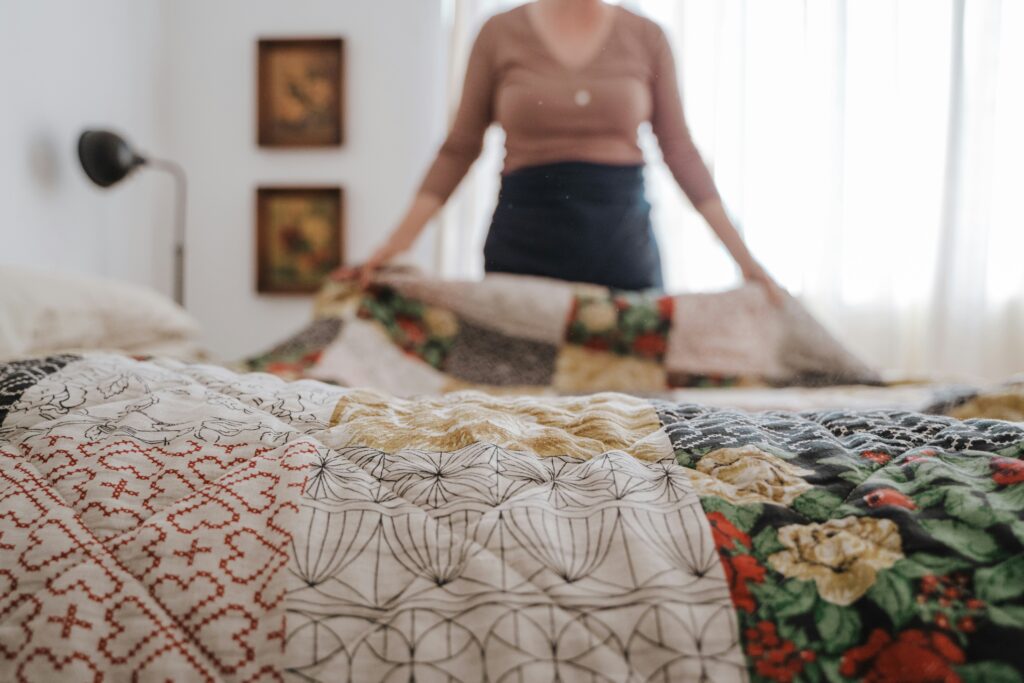
The Sensory Connection to Rest
The skin is the largest organ and stays active throughout the night. Tactile receptors on the skin surface react to the fabrics we touch as we dream. A study on mental wellness mentions that soft textures trigger calming brain responses - this helps with the release of oxytocin to lower stress. When these receptors feel smooth surfaces, the nervous system shifts into a resting state. This shift makes it easier for the heart rate to slow down.
Tactile Comfort and Mental Wellness
Feeling safe and comfortable is a huge part of falling asleep quickly. High-quality sleep involves more than just closing your eyes for 8 hours. Research into tactile intimacy found that people often report better sleep quality when they feel positive sensations of touch.
This shows that the physical bond between your body and your sheets matters. If you are looking to upgrade your room, a complete bamboo bedding bundle provides the right kind of softness for skin sensitivity. Many people find that switching to natural materials helps them stay asleep longer. It creates a consistent feeling of comfort that lasts until the sun comes up.
Reducing Physical Stress with Natural Fibers
Hard or scratchy materials can create tiny points of pressure that keep you tossing and turning. Natural fibers are often much better for allowing the body to sink into the mattress. One industry expert suggested that soft fibers reduce skin irritation and help muscles relax during the night. This allows for a deeper level of physical recovery. Softer materials allow the skin to breathe without being pinched or rubbed.
Modern Trends in Bedroom Design
Interior design is moving toward a functional approach to comfort. Instead of just looking pretty, rooms are being built to help people recover from their day. A recent trend report for 2026 stated that bedroom design is shifting toward texture and physical comfort over simple decoration. This means the feel of the room is now just as important as the color. Investing in a quality setup might cost more than $200, but the results are worth the price.
Creating a Nightly Sanctuary
Another article on design trends mentioned that sensory styling helps the body recognize it is time for sleep. Using soft rugs and plush pillows can transform a standard room into a sanctuary. These elements work together to lower the heart rate before you even get under the covers. Selecting materials that feel good to the touch creates a sense of safety.
Thermal Regulation through Soft Materials
Waking up sweaty is a common reason for broken sleep cycles. Some fabrics trap heat against the skin, which forces the body to wake up and cool down. A blog post on sustainable sleep noted that bamboo fibers use microscopic air channels to dissipate heat. This keeps the temperature stable, so you do not have to kick the covers off.
- Natural breathability keeps the skin cool.
- Moisture-wicking properties help stay dry.
- Smooth surfaces prevent friction during movement.
- Air circulation prevents the buildup of moisture.

The Biological Impact of Fabric Choice
The science of sleep shows that our environment dictates our hormone levels. High levels of stress hormones like cortisol can make it impossible to reach a restorative state. One health resource explained that quality sleep lowers cortisol levels - this helps reduce anxiety through the use of organic bedding. Lowering these stress markers is a key part of long term health. Natural textures provide a gentle touch that supports the production of sleep hormones.
Continuity and Sleep Depth
A 2024 review found that optimal sleep quality is characterized by continuity and depth. If your bedding causes you to wake up, you lose out on these critical stages of rest. Choosing the right materials is a simple way to maintain that continuity. Consistency in your sleep environment leads to better cognitive function the next day. Interruptions to your rest can lead to brain fog and low mood.
Building a Supportive Sleep Environment
Your bedroom should be a place where the stress of the day disappears. Setting goals for better rest involves looking at every piece of furniture and fabric. A guide on meeting wellness goals suggested that thoughtfully chosen bedding helps regulate temperature. This support allows the body to focus on repair rather than fighting for comfort. Every layer of your bed should serve a purpose.
Finding the right textures for your bed is a personal journey. It requires paying attention to what makes you feel the most relaxed. Rest is the foundation of health, and it starts with the things you touch.