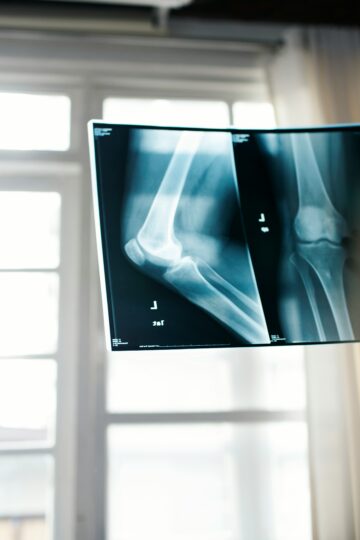
How Police Reports and Other Evidence Help Establish Car Accident Fault
A police report can turn a chaotic crash into a written record. It may contain the location, road conditions, statements, vehicle positions, visible damage, and other details gathered at the scene. Still, the report is only one part of the record created by an accident.
Understanding how fault is determined in a car accident involves reviewing photographs, witness accounts, traffic camera footage, and physical evidence left at the scene. Each source can add a different perspective to the overall picture. Examining these details together can help establish which facts are supported by evidence and identify inconsistencies in the drivers’ accounts.
What Fault Means After a Car Accident
Fault generally refers to responsibility for causing an accident. A driver may be responsible if their actions contributed to the crash, such as speeding, failing to yield, following too closely, or ignoring a traffic signal.
That makes available evidence useful. Drivers may remember the road differently, and memories can change after a stressful event. Records created close to the accident can provide details that help compare those accounts.
How a Police Report Can Add Important Details
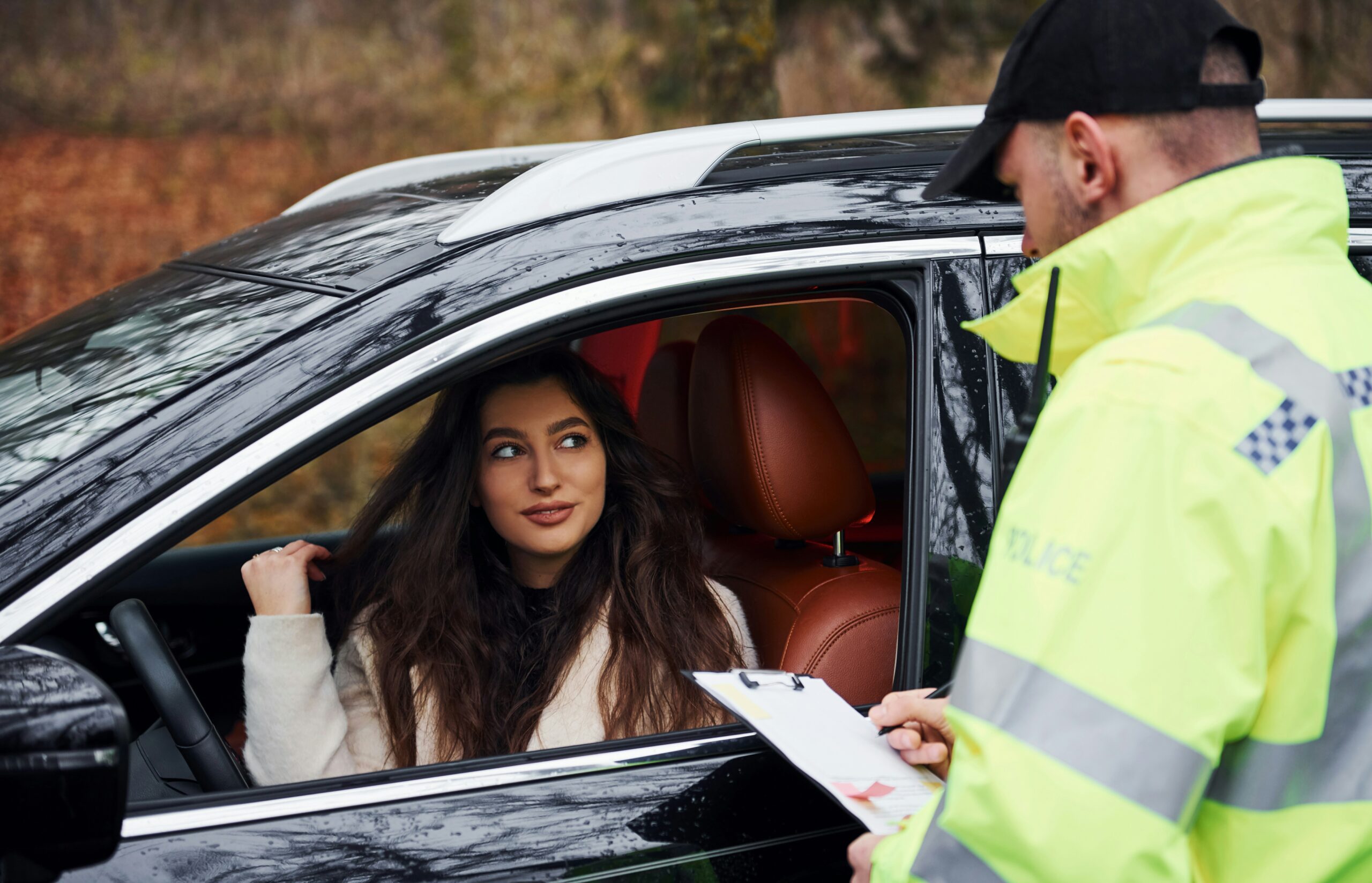
A police report can provide a written record of what an officer saw, heard, and documented at the scene. It may include the location, time, road conditions, vehicle positions, visible damage, driver statements, and witness comments.
The report may also note a traffic violation or citation. These details can help place the accident in a timeline, although a police report does not automatically settle responsibility.
Other Evidence That Can Fill in the Gaps
A police report is only one source of information. Other evidence may add missing details or support what it records.
Photos and Videos
Photos can show vehicle damage, road signs, traffic lights, skid marks, debris, and vehicle positions. Dashcam footage or security video may also capture part of the crash or what happened before it.
Witness Statements
People who saw the accident may describe where each vehicle was, how fast traffic was moving, or what a driver did before the collision. Their accounts can be useful if drivers describe the crash differently.
Vehicle Damage and Scene Evidence
Damage can provide clues about where vehicles made contact and how the collision occurred. Tire marks, broken vehicle parts, and debris may also help show vehicle positions and movements.
How Insurance Companies Review the Evidence
Insurance companies may look at several records before deciding how to handle an accident claim. They can compare the police report with photographs, witness statements, vehicle damage, medical records, and other available information.
For example, a driver's statement may not match vehicle damage or a witness account. Those differences may lead insurers to request more information.
What If the Police Report Does Not Settle Fault?
Not every police report gives a clear answer about responsibility. An officer may document the scene without stating that one driver caused the accident. Some evidence may not have been available at the scene.
Additional records can then become important. Photographs, video footage, repair records, and statements from people who saw the accident may provide more detail. A report can be useful without being the only record considered.
Why Multiple Pieces of Evidence Matter
Accident records often become more useful when several sources point toward the same account. A photograph may match the damage described in a police report. A witness may support the position of the vehicles. Video may show a traffic signal or vehicle movement before impact.
Looking at these details together can provide a clearer factual record than relying on one statement alone. Each record should be considered for what it actually shows.
Shared Responsibility Can Also Be an Issue
Some car accidents involve actions by more than one driver. One person may have failed to yield while another may have been traveling too fast. Evidence may be used to examine each driver's conduct and how it contributed to the crash.
Rules about shared fault vary by state, so the effect of partial responsibility depends on the law that applies to the accident. Evidence can still show the conduct connected to the collision.
A Record That Speaks for Itself
Police reports can provide a useful starting point, but photographs, videos, witnesses, vehicle damage, and other records can add pieces that the report does not contain. Together, these details can help establish a factual account of a crash without relying only on competing statements.
For anyone reviewing how fault is determined in a car accident, the strength of the record often comes from details that can be checked and compared. A clear police report matters, but so do the smaller facts surrounding it and the accident scene. When those records tell a consistent story, they can provide a stronger basis for assessing responsibility.
This article is for informational and educational purposes only and does not constitute legal advice.