How Injured Victims Can Pursue Compensation After a Slip and Fall
The pain from a slip and fall may fade with treatment, but the costs can stay for much longer. A few missed days at work, repeated medical visits, and unexpected expenses can place real pressure on an injured person. Pursuing compensation means looking beyond the injury itself and showing how the accident caused those losses.
A slip and fall attorney for injured victims may help review the evidence, determine who may be responsible, and handle discussions with an insurance company. A careful approach can help keep the claim focused on the facts and the losses involved.
Report the Accident and Get Medical Care
Start by reporting the fall to the property owner, manager, business, or another person responsible for the location. Ask whether an incident report will be prepared and keep a copy if possible. This can help confirm where and how the accident happened.
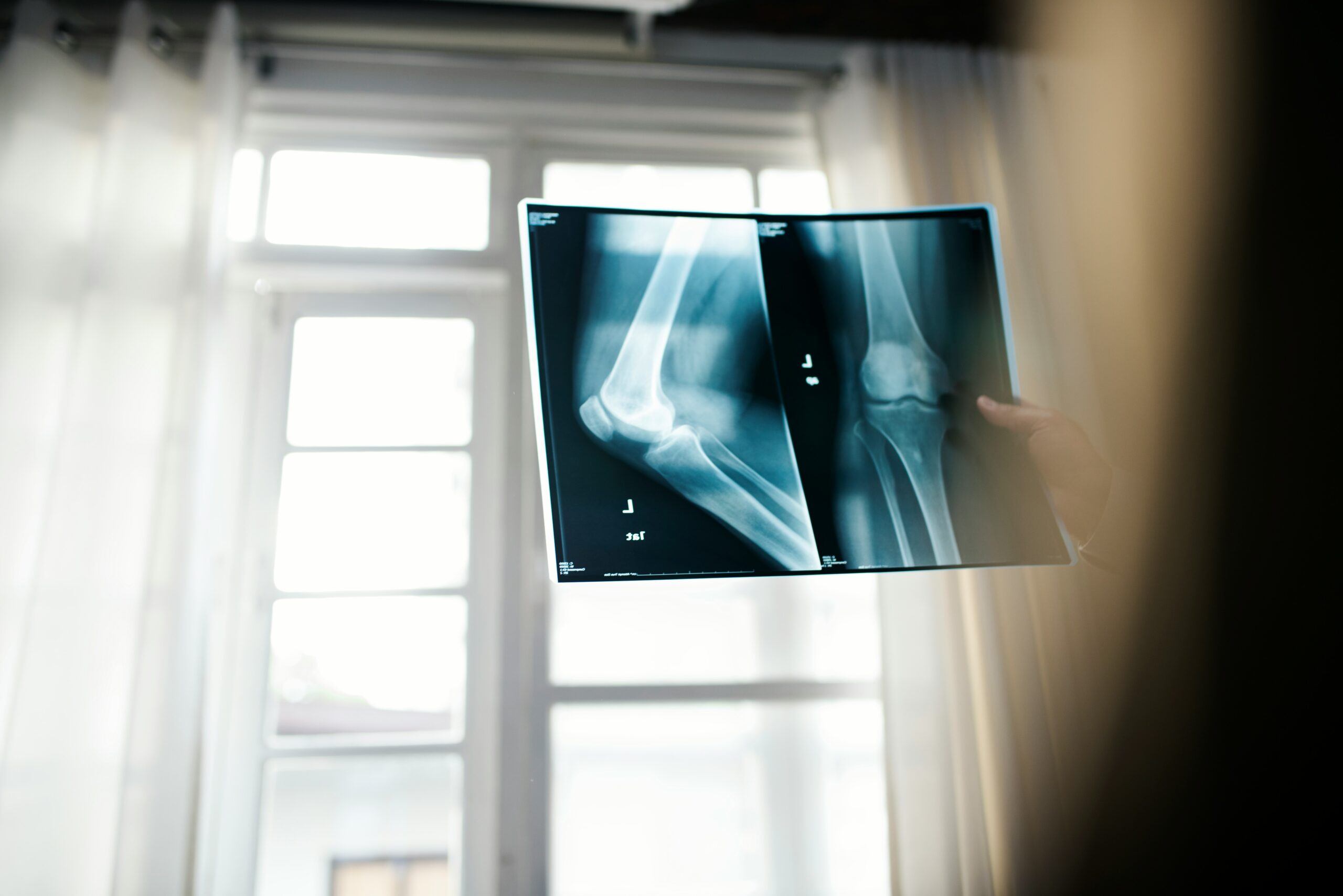
Medical care also creates a record of the injuries. Some injuries may not seem serious at first. Keeping treatment records, bills, prescriptions, and therapy notes can help show the medical costs connected with the fall.
Preserve Evidence From the Scene
A dangerous condition may be changed or removed soon after a fall. Photos can preserve what the area looked like before that happens. Take pictures of the floor, stairs, lighting, debris, spilled liquid, damaged surface, or other condition involved.
Witnesses can provide useful information. Record their names and contact details if they are willing to share them. Keep the clothing and shoes worn during the fall, along with photos, videos, receipts, and medical documents.
Identify Who May Be Responsible
The person or company responsible for a property may depend on where the accident occurred and who controlled the area. A property owner, business operator, landlord, property manager, or maintenance company may have responsibilities related to safety.
The issue is connecting the dangerous condition to the party responsible for it. Evidence may include maintenance records, inspection records, warning signs, surveillance footage, or reports of earlier problems. Facts can affect who may be held responsible.
Show How the Hazard Caused the Injury
A compensation claim generally needs evidence connecting the unsafe condition to the fall and the fall to the injury. That can include photographs of the hazard, witness accounts, medical records, and other records from the scene.
For example, a photo may show a wet floor, while a medical record may document an injury diagnosed after the fall. Together, this evidence can help show what happened. Claims may also involve questions about whether the property owner knew, or should have known, about the dangerous condition.
Keep Track of Your Losses
The cost of a fall can reach beyond the first medical bill. Keep records of treatment, medication, rehabilitation, transportation, and other accident-related expenses. Pay records can also help document income lost because an injury kept someone away from work.
Depending on the facts, compensation may also involve pain and suffering or other losses. Keeping these records in one place makes it easier to see the financial effect rather than only the first bills.
Handle Insurance Communications Carefully
An insurance company may ask questions about the accident, injuries, treatment, or losses. Information provided can become part of the claim, so answers should stay accurate and limited to what is known.
Settlement offers deserve careful review. An early offer may not reflect every loss, especially if treatment is still taking place. A qualified legal professional can explain available options without guessing at the value of a claim.
Consider Legal Action If Needed
Not every claim ends with an agreement. Questions about responsibility, evidence, injuries, or the amount of compensation can lead to a dispute. A legal professional can review evidence, communicate with insurers, assess losses, and negotiate on the injured person's behalf.
If a fair agreement cannot be reached, filing a lawsuit may be an option depending on the circumstances. Legal deadlines may also apply and vary by jurisdiction and case type. Missing an applicable deadline may affect the ability to pursue a claim.
Record Can Strengthen a Claim
Pursuing compensation after a slip and fall is not simply about showing that someone was hurt. It involves building a clear record of the accident, the dangerous condition, the responsible party, the injuries, and the losses that followed.
A slip and fall attorney for injured victims can check these details and explain the legal options available for the specific circumstances. Organizing proper evidence, seeking appropriate medical care, documenting expenses, and responding carefully to insurance communications can all help keep the process organized. Each claim is different, so professional legal analysis remains important before deciding how to proceed.
This article is for informational and educational purposes only and does not constitute legal advice.