Home Upgrades That Help Create a More Luxurious Feel
A home should feel like a retreat, not just a place to sleep and store belongings. The difference between an ordinary house and one that feels genuinely luxurious often comes down to thoughtful upgrades that elevate everyday experiences.
Luxury is not about filling rooms with expensive objects. It is about texture, light, comfort, and the quiet sense that every detail has been considered. Homeowners who want a richer, more refined atmosphere can achieve it through a handful of targeted changes that transform how a space looks, feels, and functions.
Reimagine the Bathroom from the Ground Up
Few rooms reveal the age of a home faster than the bathroom. Cracked grout, stained tubs, outdated vanities, and worn fixtures drag the entire space into something that feels tired and uninviting. The longer these issues linger, the more they chip away at daily comfort and the resale appeal of the home itself, turning what should be a private sanctuary into the least pleasant room in the house.
Hiring a bathroom remodeling company is the cleanest and most efficient way to address the problem from start to finish, with custom design, expert installation, and a finished space that finally matches the rest of the home. Moreover, installation often wraps in days rather than weeks, which means homeowners regain a fully functional, polished bathroom without the long disruption that older renovation projects used to demand.
Upgrade the Lighting Throughout the Home
Lighting is one of the most overlooked elements in residential design, yet it dictates how every other upgrade is perceived. Harsh overhead fixtures flatten a room and wash out the materials that make it feel rich. Replacing builder-grade fixtures with layered lighting changes everything.
A combination of recessed lights, wall sconces, pendant fixtures, and dimmable lamps allows a homeowner to shift the mood of a room from energizing in the morning to warm and quiet at night. Warm-toned bulbs flatter wood, stone, and textiles, while strategically placed accent lights draw attention to artwork or architectural features. Adding dimmers across the home is one of the smallest investments with the biggest payoff in atmosphere.
Invest in Quality Flooring
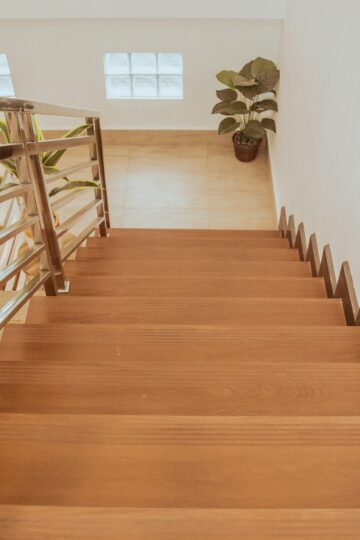
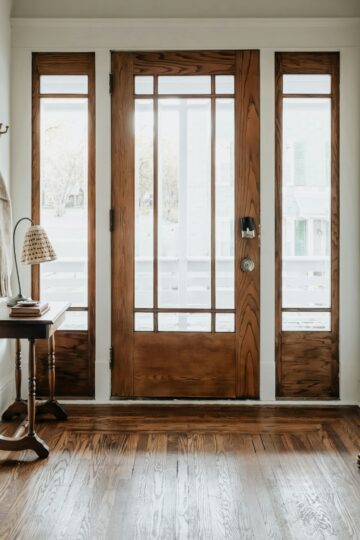
Flooring covers more visible surface area than nearly any other material in a home, which makes it one of the strongest contributors to perceived value. Scratched laminate, dated carpet, or chipped vinyl pulls the eye downward in all the wrong ways. Replacing tired floors with wide-plank hardwood, natural stone, or high-end engineered surfaces instantly raises the tone of a room. Even a single statement floor in the entryway or main living area can set the standard for everything else.
Quality flooring also feels different underfoot, which adds a layer of sensory richness that buyers and guests notice immediately, even if they cannot quite name what changed.
Add Architectural Detail to Walls and Ceilings
Plain drywall reads as builder basic, no matter how nice the furniture is. Adding architectural detail gives walls and ceilings a custom, considered quality that flat surfaces can never achieve on their own. Crown molding, wainscoting, picture frame molding, coffered ceilings, and accent walls all introduce shadow, depth, and craftsmanship. These details borrow from traditions of higher-end homes and instantly suggest that a space was built with intention.
Even a single accent wall behind a bed or fireplace can shift the visual weight of a room. The materials themselves are not expensive, but the finished look reads as significantly more refined. These features also create visual rhythm throughout a home, helping large walls and expansive ceilings feel more balanced and proportionate. When paired with quality paint finishes and thoughtful lighting, architectural detailing adds a layer of sophistication that makes the entire space feel more upscale and professionally designed.
Refresh the Kitchen with Smart, Targeted Changes
A full kitchen overhaul is a major project, but smaller upgrades can still produce a striking shift in feel. Replacing dated cabinet hardware with brushed brass or matte black pulls gives cabinetry a modern edge. Swapping a basic backsplash for marble, zellige tile, or honed stone introduces texture that catches the light beautifully.
Upgrading the faucet, installing under-cabinet lighting, or replacing a worn countertop section can also lift the entire room without the time and expense of a gut renovation. These targeted changes work because the kitchen is the room where guests spend the most time, so every visible surface contributes to the impression of luxury.
Bring in Natural Materials and Soft Textures
A luxurious home rarely feels cold or sterile. It tends to balance polished surfaces with natural warmth. Layering in materials like solid wood, woven rugs, linen drapery, leather, marble, and unlacquered brass creates a richness that synthetic finishes cannot match. Soft textures matter just as much as hard ones.
Heavy curtains that fall to the floor, plush throws, oversized cushions, and high-quality bedding all add a tactile depth that elevates a room. The goal is contrast: a smooth stone counter beside a rough oak stool, a sleek mirror above a woven console. These pairings create the layered, collected feel that distinguishes a luxurious interior from a merely expensive one.
Pay Attention to the Smallest Finishing Touches
The final ten percent of any upgrade often makes the biggest impression. Switching out generic outlet covers, doorknobs, hinges, and air vents for solid brass or matte black versions takes a single afternoon and visually pulls a room together.
Replacing hollow-core interior doors with solid panel doors makes the home feel weightier and more substantial. Even something as simple as painting interior trim a crisp, high-quality white can sharpen the look of every room it touches. Luxury lives in these quiet details, the ones that guests register without realizing why.
A more luxurious home is built layer by layer through choices that respect light, texture, craftsmanship, and comfort. Each upgrade adds to the next, and the cumulative effect is a home that feels considered in every corner, the kind of space that quietly rewards everyone who lives in it.