Healthy Hair Habits That Actually Make a Difference
Between environmental stressors, changing seasons, and daily styling routines, maintaining resilient strands often feels like an endless battle against frizz and breakage. Achieving genuinely healthy hair requires more than just masking the symptoms with temporary fixes. By understanding the biology of your strands and making intentional adjustments to your daily routine, you can cultivate long-lasting vitality.
Prioritizing Scalp Health for Strong Foundations
Healthy strands begin well below the surface of your skin. Skin cells on your head function exactly like those on your face, meaning they require regular attention to stay balanced and clear of obstructions. When you allow heavy styling sprays and dry shampoos to accumulate, you inadvertently block the follicles, which disrupts the natural growth cycle and leads to thinning.
Wash your hair using a gentle, sulphate-free shampoo, concentrating the lather directly onto the roots rather than dragging it through the ends. This targeted approach dissolves excess sebum and environmental debris without stripping essential moisture from the lengths of your hair. A clean, oxygenated environment encourages active follicles to produce stronger, more resilient strands over time.
Nutrition and Hydration for Hair Vitality
Topical treatments only accomplish so much if your body lacks the essential building blocks for tissue repair. Because hair consists primarily of a protein called keratin, your daily dietary intake directly dictates the structural integrity of every new strand.
You can give your cells the raw materials they require by consuming enough lean proteins, iron-rich leafy greens, and foods high in vitamin E. Beyond solid food, internal moisture levels play an equally critical role in maintaining flexibility. Drink plenty of water throughout the day to sustain hydration at the cellular level. When your body remains adequately hydrated, your hair retains its natural elasticity and resists the brittle texture that causes premature snapping.
Minimizing Heat and Mechanical Damage
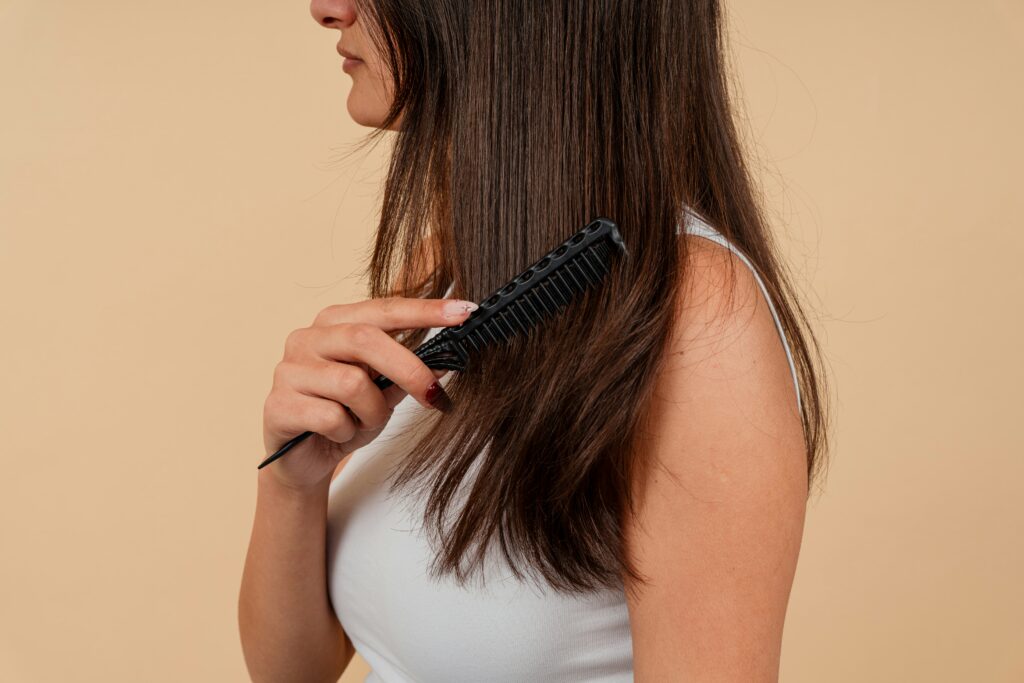
Environmental factors aside, daily styling habits often inflict the most severe structural damage. Flat irons and curling wands alter the hydrogen bonds within the hair shaft, permanently weakening the cuticle when temperatures exceed safe limits. Similarly, pulling your hair into high, tight ponytails places excessive tension on the hairline, creating mechanical stress that physically pulls the root from the follicle.
You can minimize friction by choosing low-tension styles like loose braids or utilizing silk scrunchies. Always apply a heat-protecting spray before using hot tools to prevent localized burning.
By embracing gentler styling techniques, you preserve the outer protective layer and significantly reduce the occurrence of split ends.
Choosing the Right Hair Care Products
The beauty industry constantly introduces new formulas promising miraculous results, making it difficult to identify what your regimen actually needs. Many conventional conditioners rely on heavy silicones that create an artificial slip but ultimately smother the strand and prevent moisture penetration. Carefully review the ingredient lists on your bathroom shelf to identify and eliminate harsh detergents or synthetic waxes.
Integrating natural hair growth products into your routine offers a gentler alternative for those seeking effective treatments without exposing their skin to aggressive chemicals. These botanical-based formulations work harmoniously with your biology, delivering concentrated nutrients that support the scalp microbiome while encouraging thicker, healthier growth.