A Beginner's Guide to Reading Tarot Card Meanings
Tarot has quietly become a favorite tool for self-reflection in your twenties. You do not need to believe in fortune-telling to get something from it. A card can act like a mirror, showing you a feeling you had not named yet. That makes it a gentle way to check in with yourself.
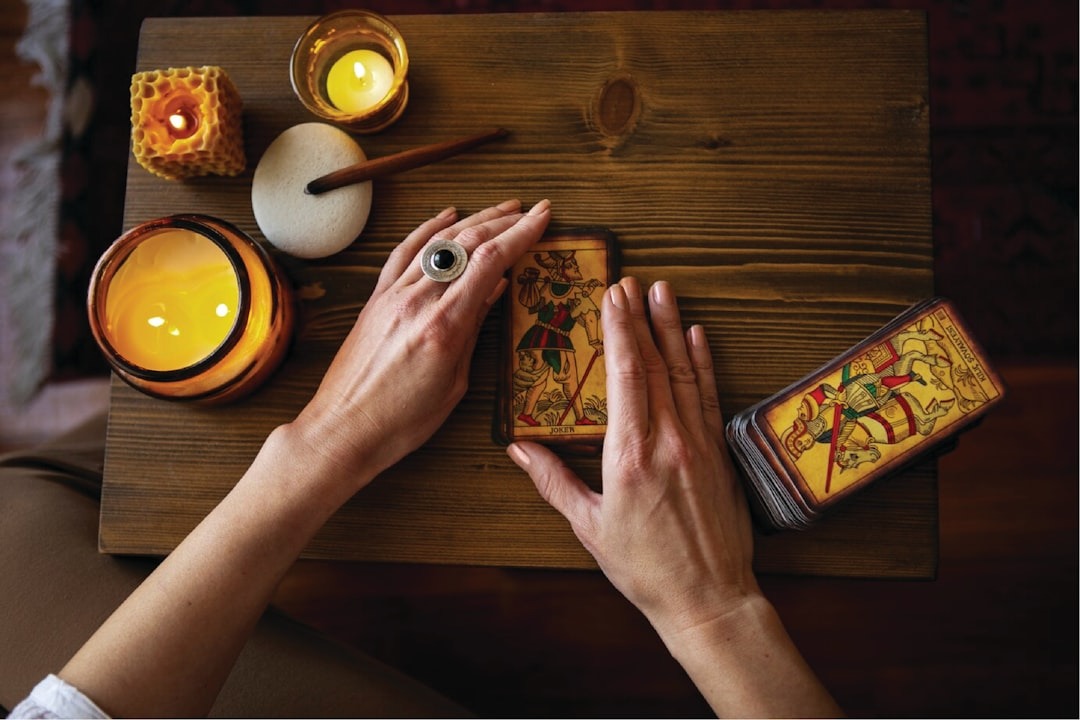
Learning to read starts with the cards, not with memorized scripts. A good reference for the meaning of all the Tarot cards gives you a foundation to build on. From there, you learn to trust what you notice on your own. This guide walks you through the basics of interpretation, one step at a time.
Start With One Card at a Time
Every reading is built from single cards, so start there. Pull one card and look at it before you look anything up. Ask what it reminds you of in your own life. Your first impression is data, not a mistake.
When you sit with a card, look at a few things first:
- The main figure and what they are doing.
- The 4 classical elements hinted at in the art.
- Colors, weather, and the overall mood.
- Any symbols that repeat across the card.
Tarot is a deck of 78 cards with a long creative history. Famous writers like Yeats loved tarot cards as a mirror for the self. Read the traditional meaning next and compare it to your gut. Sometimes they match, and sometimes they clash, and both teach you something.
What the Image Is Telling You
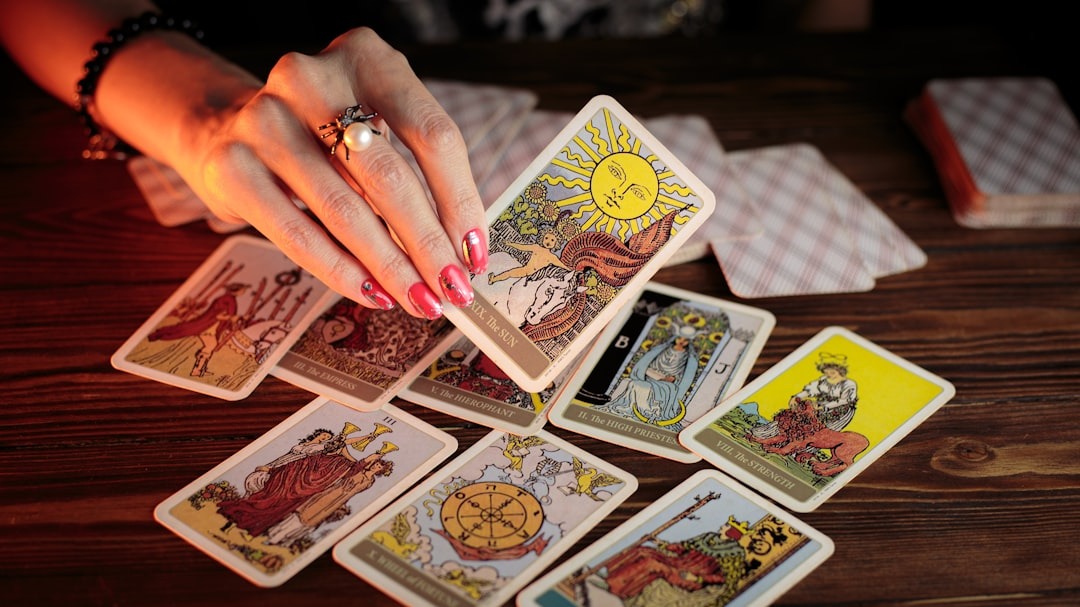
Tarot art is full of visual clues on purpose. A calm figure and a stormy sky send very different signals. Water often points to emotion, while swords lean toward thought and conflict. Learn to read the picture before you reach for a fixed definition.
This visual instinct carries into ordinary life too. The same skill helps when you weigh the best advice you need to hear from the people around you. You start noticing tone and context, not just words. Tarot simply gives that instinct a low-stakes place to practice.
Where the Meanings Come From
Tarot did not start as a spiritual practice at all. It began as a card game in Italy in the 1400s. The occultist Etteilla later assigned set meanings to each card. His antique divination tarot dates back more than 200 years. You are joining a conversation that is over 500 years old.
The meanings we use now built up slowly over time. Different writers and artists added their own layers to each card. That is why two guidebooks can describe the same card a little differently. You get to weigh those readings and pick what rings true.
Upright and Reversed Cards
A reversal is a card that lands upside down in a spread. Many readers treat these cards differently from upright ones. An upright card usually shows a clear, outward version of its meaning. A reversed card can point to the same theme turned inward or blocked. It is not automatically bad news.
Think of reversals as a change in volume, not a flip to the opposite. The Sun reversed still deals with joy, just dimmed or delayed. You can also read every card upright while you are still learning. There is no single correct rulebook here.
How Position Changes the Meaning
Where a card lands in a spread shapes what it says. The same card means one thing in a past slot and another in a future one. The real message comes from how the cards relate.
A simple 3-card spread reads left to right like this:
- Card 1 marks the past or the root of the question.
- Card 2 shows the present situation.
- Card 3 points to the likely direction.
Try reading the cards as a sentence rather than three separate words. One card sets the scene, the next adds tension, the last suggests movement. This flow is where interpretation starts to feel alive. It also stops you from over-reading any single card.
Building Intuition You Can Trust
Intuition is a skill you grow, not a gift you are born with. Keep a small journal of the cards you pull and what happens next. Patterns will show up faster than you expect. Reviewing them slowly turns guesswork into memory.
Your twenties are a natural season for this kind of reflection. Reading tarot pairs well with thinking about why this decade matters so much for your future. The cards never decide anything for you. They just help you hear what you already think.
Common Mistakes New Readers Make
Most beginners rush straight to the guidebook. That habit drowns out your own first read of a card. A focused question also beats a vague, sprawling one.
Watch for these habits as you learn:
- Reading the guidebook before your own gut.
- Asking one huge, unfocused question.
- Redoing a pull until you like the answer.
- Judging a card as simply good or bad.
Try not to redo a reading until you like the result. The first pull is usually the most honest one. Give the cards room to say something you did not expect. That discomfort is often where the real insight lives.
Your First Week With a Deck
Give yourself one card each morning for a week. Write a single sentence about how it fits your day. Do not grade the sentence or overthink it. By Sunday, you will have a tiny personal glossary. That beats memorizing a book you did not write.
Keep the same deck for the whole week if you can. Familiar art helps the meanings settle in your memory. Later, you can add a second card for contrast. Small, steady steps build a habit that actually lasts.
Frequently Asked Questions
Do I Need an Expensive Deck to Start?
No, you do not. Any standard 78-card deck works fine for learning. Choose art that you actually enjoy looking at. Your connection to the images matters far more than the price.
How Long Does It Take to Learn Tarot?
You can read simple spreads within a few weeks. Real fluency comes with months of steady practice. Focus on one card a day rather than cramming. Consistency beats speed every time.
Can I Read Tarot for Myself?
Yes, and it is one of the best ways to learn. Self-readings let you check meanings against your real life. Try to stay honest when a card feels uncomfortable. That honesty is where most of the growth happens.
Is Tarot the Same as Fortune-Telling?
Not in the way most beginners assume. Many readers use tarot for reflection, not prediction. The cards highlight options and feelings you already carry. What you choose to do next is still yours.