A Beginner’s Guide to Planning a Bathroom Upgrade
When you live in a warm, coastal area or a busy Florida city, you might already know how much moisture, humidity, and frequent use can impact the condition of your bathroom. Upgrading your bathroom can feel like a big step, especially if it’s your first time taking on a project that mixes design with plumbing, layout, and functionality. But when you break it down, a bathroom upgrade can be one of the most rewarding improvements you make to your home. Whether you’re trying to modernize an older space, improve comfort, or make your daily routine more enjoyable, the right plan helps you stay organized and confident as you move forward.
If you’re new to remodeling, planning helps you stay on track, avoid rushed purchases, and understand where your budget will be most effective. Once you get a clear idea of what you want and what you can realistically change, the whole process becomes much easier to manage. With that in mind, let’s walk through the steps that help you start your bathroom upgrade on the right foot.
Identify Your Upgrade Goals and Priorities
Before you dive into choosing materials or looking at color schemes, you need to understand what you want to change and why. Every successful bathroom upgrade starts with a clear sense of direction. Some homeowners want a modern, spa-like atmosphere. Others focus on improving usability, storage, or water efficiency. And many start by updating their shower because it’s the centerpiece of the room and one of the most frequently used areas.
When you’re hoping to improve both the look and the long-term durability of your shower space, start with something like a shower upgrade. If you live in Florida and are looking for a Tampa shower replacement company, you’ll come across multiple local experts who can help you set the tone for your entire project. Modern shower systems often include low-maintenance wall panels, stylish fixtures, customizable layouts, and sturdy construction that holds up well over time.
When you choose professionals to get the job done, they’ll give you options made from long-lasting materials. That way, you not only refresh the appearance of your bathroom but also make cleaning easier and reduce the chances of mold and mildew buildup. These upgrades are especially helpful if you want a shower that fits your lifestyle, whether that means a wide entry, built-in shelving, or a seamless design without complicated grout lines.
As you think about your goals, write down the changes that matter most to you. Maybe you want more storage. Maybe your flooring needs an upgrade. Or maybe your lighting is dim and makes the room feel smaller. Separating your “must-haves” from your “nice-to-haves” will make future decisions much simpler and keep your project focused.
Set a Realistic Budget and Timeline
Once you know your priorities, it’s time to map out your budget. Bathroom upgrades can range from small cosmetic changes to full-scale remodels, and the costs vary widely depending on materials, plumbing needs, and labor. A new vanity, updated fixtures, or fresh paint may be affordable, while replacing a shower, updating tile, or rearranging the layout will naturally require a bigger investment.
Start by setting a total amount you’re comfortable spending. Then break it into categories such as materials, labor, permits, and unexpected repairs. It’s common to run into hidden issues like water damage, outdated plumbing, or ventilation problems, especially in older homes. That’s why setting aside a small buffer helps keep your project on track even if surprises pop up.
When it comes to timing, consider how long various parts of the upgrade will take. Ordering materials, scheduling installers, and waiting for parts all require patience. If you only have one bathroom, you’ll want to plan carefully so you’re not stuck without access for too long. A clear timeline helps reduce last-minute stress and makes it easier to coordinate your schedule with any professionals you hire.
Understand Your Bathroom’s Layout and Space Limitations
A bathroom may look simple on the surface, but the layout behind the walls plays a major role in what you can or cannot change. Before selecting fixtures or rearranging elements, take some time to study your current layout. Notice where the plumbing lines run, how much space you have between the fixtures, and whether your room feels cramped or underutilized.
Small changes can make a big difference. For example, replacing an old tub with a walk-in shower can open up floor space, create easier access, and make the bathroom feel more modern. However, larger changes, like moving a toilet or expanding the footprint of your shower, might require a plumber or contractor to adjust pipes and drainage. These tasks add cost and time, so it’s important to understand the impact of each change before finalizing your plans.
Measure your bathroom, look for awkward corners, and think about how you use the space every day. This step allows you to choose fixtures that fit comfortably and function well in your available space.
Choose Materials and Fixtures That Fit Your Needs
Choosing the right materials is one of the most enjoyable parts of planning your upgrade. You can explore colors, textures, finishes, and design options that match your personal style. When it comes to showers, walk-in systems, wall surrounds, and slip-resistant flooring are popular because they combine durability with easy maintenance. Solid-wall materials, for example, avoid the hassle of grout and offer long-lasting protection against moisture.
Flooring also plays a major role in how your bathroom feels and performs. Waterproof and slip-resistant materials such as porcelain, ceramic tile, or high-quality vinyl can handle everyday use while keeping your bathroom safe and stylish. For countertops, materials like quartz and solid surface options provide a clean, modern look with minimal maintenance.
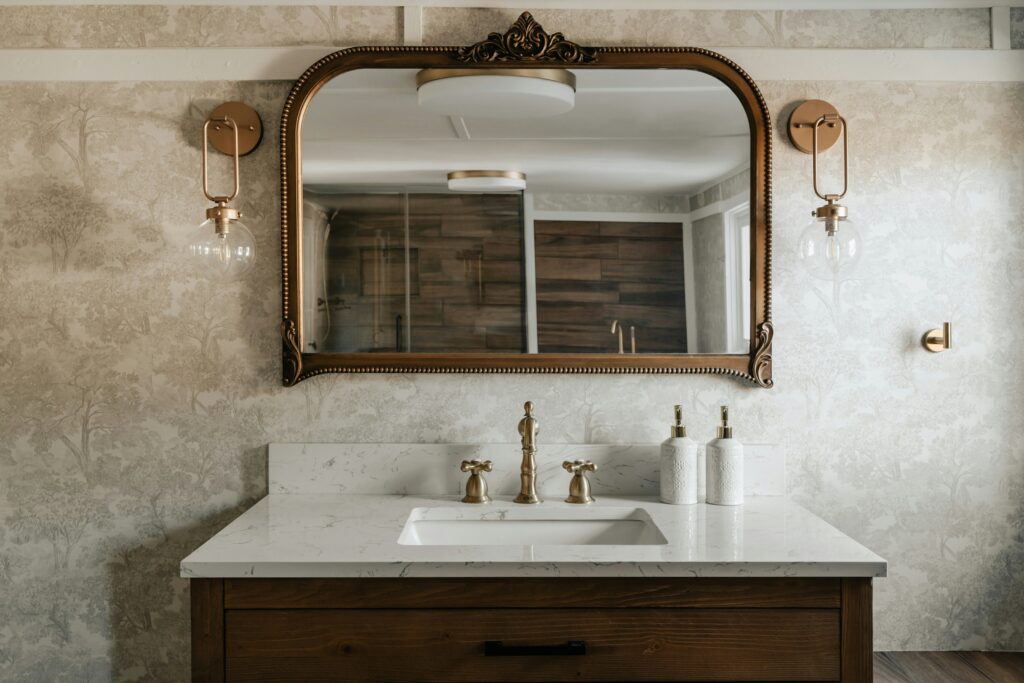
If storage is a priority, look for vanities with ample drawer space, built-in shelves, or medicine cabinets with integrated lighting. The goal is to choose items that balance beauty with practicality so your upgraded bathroom serves you well for years to come.
Plan for Proper Lighting and Ventilation
Bathroom lighting affects the mood and functionality of the room. You’ll want bright, even lighting for tasks like shaving or applying makeup, along with softer lighting options for relaxing baths or late-night trips. Consider adding layered lighting, overhead lights for general brightness, and vanity lights for direct illumination.
Ventilation is equally important. A good exhaust fan helps control moisture, prevents mold growth, and extends the life of your flooring and walls. Make sure your fan is powerful enough for the size of your bathroom, and consider setting it on a timer so it runs long enough after showers to clear out excess humidity.
Planning a bathroom upgrade can feel overwhelming at first, but taking it one step at a time makes the process manageable and even enjoyable. When you understand your goals, choose practical materials, and prepare properly, you set yourself up for a smooth and successful transformation. With thoughtful planning, your bathroom can become a cleaner, more comfortable, and more beautiful part of your home, one you enjoy every single day.