
8 Things To Know Before Your First Therapy Session
You made the big step and decided have your first therapy session. First I want to say that I am proud of you for making this important decision to go to therapy. I know doing something like this can feel unnerving and scary.
Hopefully, by the end of this post, you’ll walk into your first appointment feeling more informed and ready. I remember my first therapy appointment and how nervous I felt. I’m sharing the things I’ve learned along the way to make your first experience as comfortable as it can be.
8 Things To Know Before Your First Therapy Session
These tips are in no particular order. I hope one, or more of them, will be helpful for you navigating this big step.
1) You Are Going To Go Over A Lot In Your First Therapy Session
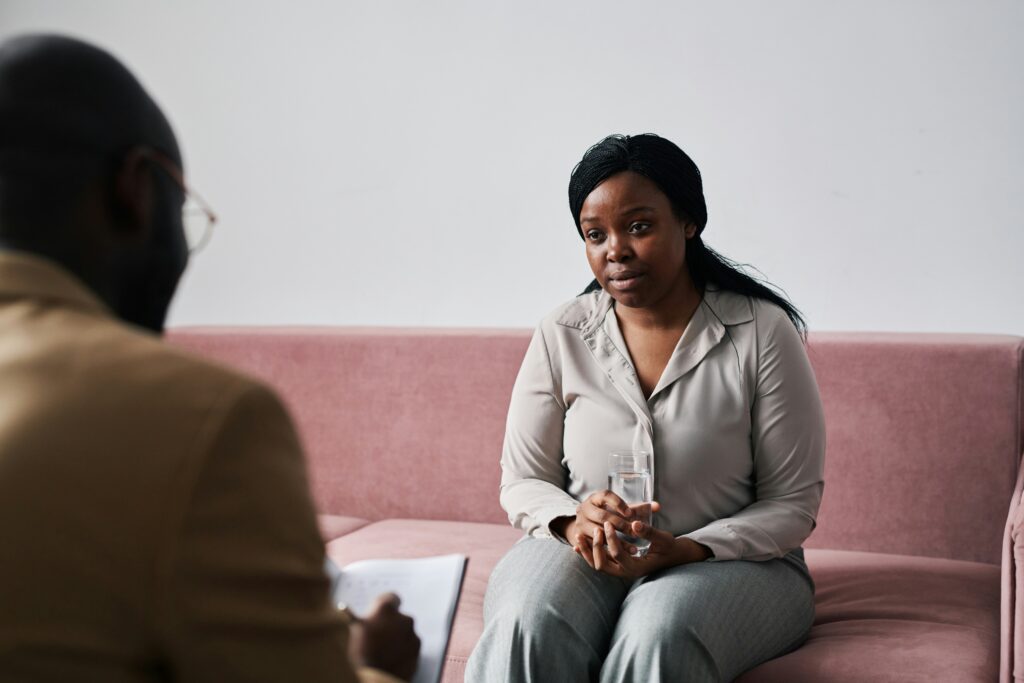
The first therapy session can be one of the hardest you ever do. There is a lot going on there. You’ve got paperwork to fill out, you're meeting this person for the first time, and you have to essentially be an open book right from the start. While you are telling your life story you also have to feel out the vibes from your therapist to see if you feel comfortable with him/her.
All that to say, you may feel like you are jumping around a lot, but it will not always be like that. Once you and your therapist centralize on the biggest issues, you’ll make a plan from there.
2) There Are Different Ways To Receive Therapy
Times have changed a lot since I first started therapy. There is the traditional way of going to therapy by going to an office and chatting face-to-face. Now there are more digital ways of receiving therapy. From video chats, phone calls, and even apps, whatever format feels the most comfortable to you is what you should do.
3) You May Not Like Your First Therapist
This is something that I didn’t realize was an option at first. You don’t have to stay with the first therapist you meet. Whether you don’t connect well with them, they don’t practice the therapy you're interested in (more on that next), or any other reason, you can decide to find a different one.
This is important because to make true progress in therapy you need to be absolutely comfortable with the person helping you. Understand that it is normal for therapists to encounter their patients wanting to switch therapists. Don't feel bad if you need to switch, just do what is best for you even if you know is soon as your first therapy session.
4) There Are Different Types Of Therapies
The longer I’ve been in therapy the more I’ve learned about different techniques that can be helpful. While it isn’t required to know about all the different types of therapies before your first appointment, I do think it’s helpful to know. By getting familiar with some of these techniques you’ll be able to do two things.
- See which techniques interest you that you may want to try
- Find out if your therapist practices that particular type of therapy
In my experience I’ve identified a lot with Cognitive Behavior Therapy, but there are many others out there as well. You may not dive deeply into any particular techniques during your first therapy session but it is worth discussing what you might prefer.

5) Every Session Is Different
I wish I could tell you therapy gets easier, but I can’t. Some sessions are easier, while others are hard. You’ll have breakthrough moments one day, then question if you even need therapy the next. As unpredictable as it can be, you should be able to tell that growth is happening.
You may find that over time you can reduce the amount of appointments you need. You could go from once a week, to every other week, or even once a month. Work with your therapist continually to determine what is best for you.
6) You’ll Probably Feel Emotionally Drained After Your First Therapy Session
It’s a good idea to give yourself room after your appointment for reflection and rest. The only way I can describe how I felt after my first appointment was emotionally drained, I just basically poured my heart and mind out to a stranger for the first time. I’m not sure there is any other way to feel from doing that.
Despite that feeling, I still believed I was doing something right. I had hope that this would be good for me. I believe it will be a great decision for you as well. Trust the process, even if it comes with not fun feelings.
7) You’ll Want To Have Some Kind Of Goals For Your Therapy Journey
What makes therapy different from any other yap session with someone that knows personal things about you is that it’s based on goals. The main goal of therapy is to get you feeling better.
Whether you get better at expressing your emotions, or stopping negative thinking, there are many different tools you’ll learn. Therapy is all about creating your personal toolbox that you can use when you are struggling with your mental health.

8) It May Be Uncomfortable, But It Will Get Better
Lastly, I want to reiterate that there will be some uncomfortable moments in your therapy sessions. These are necessary for breakthroughs to happen.
As you express your feelings with your therapist and learn coping skills you’ll start seeing progress. Keep that in mind on the hard days. Trust me, the days where you feel that breakthrough are worth it.
Final Thoughts On What To Know For Your First Therapy Session
Remember, it’s normal to feel nervous when you are trying something new. Therapy is so beneficial. You should be proud of yourself for even making the appointment. I hope these tips made you feel a little more comfortable about your upcoming meeting with a therapist.
To learn more about therapy check out these other GenTwenty articles. From different types of therapies to reasons why to go try therapy, we’ve got plenty of resources for you.
Art As Therapy – How The Need To Create Helps You
Why It’s Okay to Go to Therapy
What I Learned By Seeing a Therapist in My 20s
Why Every Twenty-Something Should Give Online Therapy a Try


About the Author

Kelly graduated from Liberty University with a degree in Advertising and Public Relations and a minor in Journalism. Even though it took her a little while to find her career path, she was always meant to be in Communications. She remembers writing poems and songs when she was a little girl and pitching to my parents the reasons why I should have a cell phone when I was a teenager. She currently has a blog (budding-joy.com) where she talks about her weight-loss journey, mental health and personal development. Her hope is to encourage and inspire readers and let them know they are not alone. Reading blog posts like that are what helped her in tough times and she wants to pay it forward. She loves dance fitness, listening to music, and creating layouts in her bullet journal. She's a big fan of planning, especially when cute notebooks and pens are involved. Her dream job has changed so much over the years; right now she'd love to co-own a dance studio.
Website: budding-joy.com