6 Things You Might Not Know About Hearing Aids
There’s a good chance you know someone who wears hearing aids — even if you don’t realize it. Hearing loss is far more common than many people think, and modern hearing technology has evolved in ways that might genuinely surprise you.
Gone are the bulky, whistling devices people often picture when they hear the term “hearing aid.” Today’s options are sleek, customizable, and designed to fit seamlessly into everyday life. Whether you’re researching for yourself, supporting a loved one, or simply curious, there’s a lot more to hearing aids than most people realize.
Here are six things you might not know about hearing aids.
Hearing Aids Are More Common Than You Think
Many people assume hearing aids are only for older adults, but hearing loss can affect people of all ages. From exposure to loud concerts and headphones to genetics and medical conditions, there are countless reasons someone may experience hearing changes earlier than expected.
In fact, plenty of younger hearing aid users wear them daily while balancing careers, parenting, social lives, and everything in between. The reality is that hearing aids are becoming increasingly normalized — and for good reason. Better hearing can improve communication, confidence, productivity, and even mental well-being.
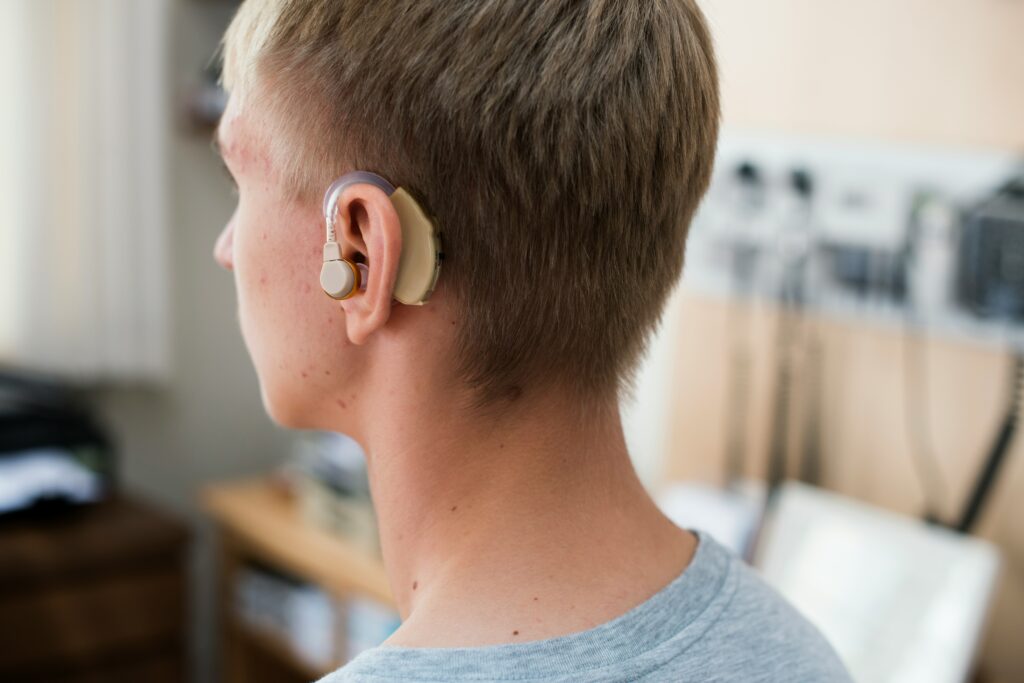
Many modern devices are also so discreet that you likely wouldn’t notice someone wearing them unless they pointed them out.
Modern Hearing Aids Are Surprisingly High-Tech
If your mental image of a hearing aid comes from a movie made in 1998, it’s probably time for an update.
Today’s hearing aids can connect directly to smartphones, stream music and calls via Bluetooth, reduce background noise in crowded spaces, and automatically adjust based on your environment. Some even use artificial intelligence to learn your listening preferences over time.
That means whether you’re sitting in a coffee shop, working remotely, taking calls, or catching up with friends at dinner, your hearing aids can adapt to help conversations sound clearer and more natural.
For many people, they function almost like tiny wearable computers rather than simple amplification devices.
There’s an Adjustment Period
One thing people don’t always realize is that wearing hearing aids for the first time can feel emotionally and physically overwhelming at first.
When someone has experienced hearing loss for a while, the brain gradually adapts to hearing fewer sounds. Once hearing aids are introduced, everyday noises — typing on a keyboard, footsteps, running water, air conditioning — may suddenly seem incredibly noticeable.
That’s why getting used to new hearing aids often takes time and patience. Most audiologists recommend easing into them gradually and allowing the brain time to relearn how to process certain sounds.
The adjustment process can be frustrating at moments, but many users say the improvement in quality of life is absolutely worth it once they adapt.
Hearing Loss Can Affect More Than Just Hearing
A lot of people think hearing loss is simply about turning the volume up louder, but it can impact daily life in more subtle ways too.
Difficulty hearing conversations can lead to social withdrawal, exhaustion from constantly trying to listen carefully, misunderstandings at work, and even increased anxiety in group settings. Some people avoid restaurants, meetings, or phone calls because it becomes mentally draining to keep up.
Hearing aids can help reduce some of that stress by making communication feel less exhausting. For many users, better hearing also means feeling more connected, present, and confident in everyday interactions.
It’s not just about hearing more clearly — it’s about participating more comfortably in life.
Comfort Matters More Than People Realize
A properly fitted hearing aid should feel comfortable enough to wear consistently throughout the day. However, some discomfort during the adjustment period can happen, especially if the fit needs tweaking.
If someone experiences persistent soreness, irritation, or pressure, it’s important not to ignore it. Small adjustments by an audiologist can often make a major difference in comfort.
This is one reason professional fittings and follow-up appointments matter so much. Hearing aids are not really one-size-fits-all devices. Everyone’s ears, hearing needs, and comfort levels are different.
The better the fit, the more likely someone is to wear them consistently — and consistency is key when adjusting to improved hearing.
Hearing Aids Don’t “Fix” Hearing Overnight
This is one of the biggest misconceptions surrounding hearing aids. They don’t restore hearing perfectly or instantly erase all listening challenges.
Instead, they help improve access to sound and communication. Background noise can still be difficult in certain situations, and some environments may require extra concentration. However, modern hearing aids can dramatically improve overall listening experiences and reduce the strain that untreated hearing loss often causes.
Think of them less like flipping a switch and more like giving your brain additional support and clarity.
For many people, hearing aids become an empowering tool that helps them feel more engaged in conversations, relationships, work, and daily life again.
Final Thoughts
Hearing aids have come a long way from the outdated stereotypes many people still associate with them. They’re smarter, smaller, more customizable, and more common than ever before.
Most importantly, they’re helping people reconnect with the moments that matter — conversations with loved ones, laughter with friends, favorite songs, important meetings, and the everyday sounds that make life feel full.
The more openly we talk about hearing health, the easier it becomes to remove the stigma surrounding it. And honestly? That’s something worth hearing loud and clear.