Why Some Home Updates Focus on Time Spent, Not Square Footage
Home updates are changing in focus, and this change is noticeable in how people talk about comfort and use. Instead of asking how much space a home has, many homeowners now pay attention to where time actually goes during the day. Rooms that once looked impressive on paper often sit unused, while smaller, well-designed areas quietly become the center of daily life. The value of a home increasingly shows up in how long people choose to stay in a space, not how large that space is.
Work routines, rest habits, and social time often happen in predictable places. Updates that support those moments tend to feel more rewarding than adding rooms that rarely get used. Design choices now focus on slowing movement, reducing friction, and creating environments that invite people to linger.
Slower Living
Spaces designed to slow the pace change how a home feels almost immediately. These areas invite sitting, resting, or simply staying put rather than moving through quickly. Comfort, lighting, and layout all work together to make time feel less rushed. Once a space supports stillness, it naturally becomes part of a daily routine instead of a backdrop.
Outdoor areas provide a compelling example. Many homeowners turn patios, decks, or backyards into usable extensions of daily living. An outdoor living space turned into a relaxing haven often includes comfortable seating, soft lighting, and protection from the weather, which encourages longer use throughout the day and evening. Hiring professionals matters in these updates because expertise plays a big role. Professionals help with layout, materials, and placement so the space feels cohesive rather than cluttered. A well-planned outdoor area becomes a place for morning coffee, evening conversations, and quiet breaks, adding value through time spent rather than square footage added.
Better Flow
Layout adjustments that prioritize flow improve how people move through a home without changing its size. Smooth transitions between rooms reduce hesitation and frustration. Clear pathways and thoughtful furniture placement allow spaces to support daily movement instead of interrupting it.
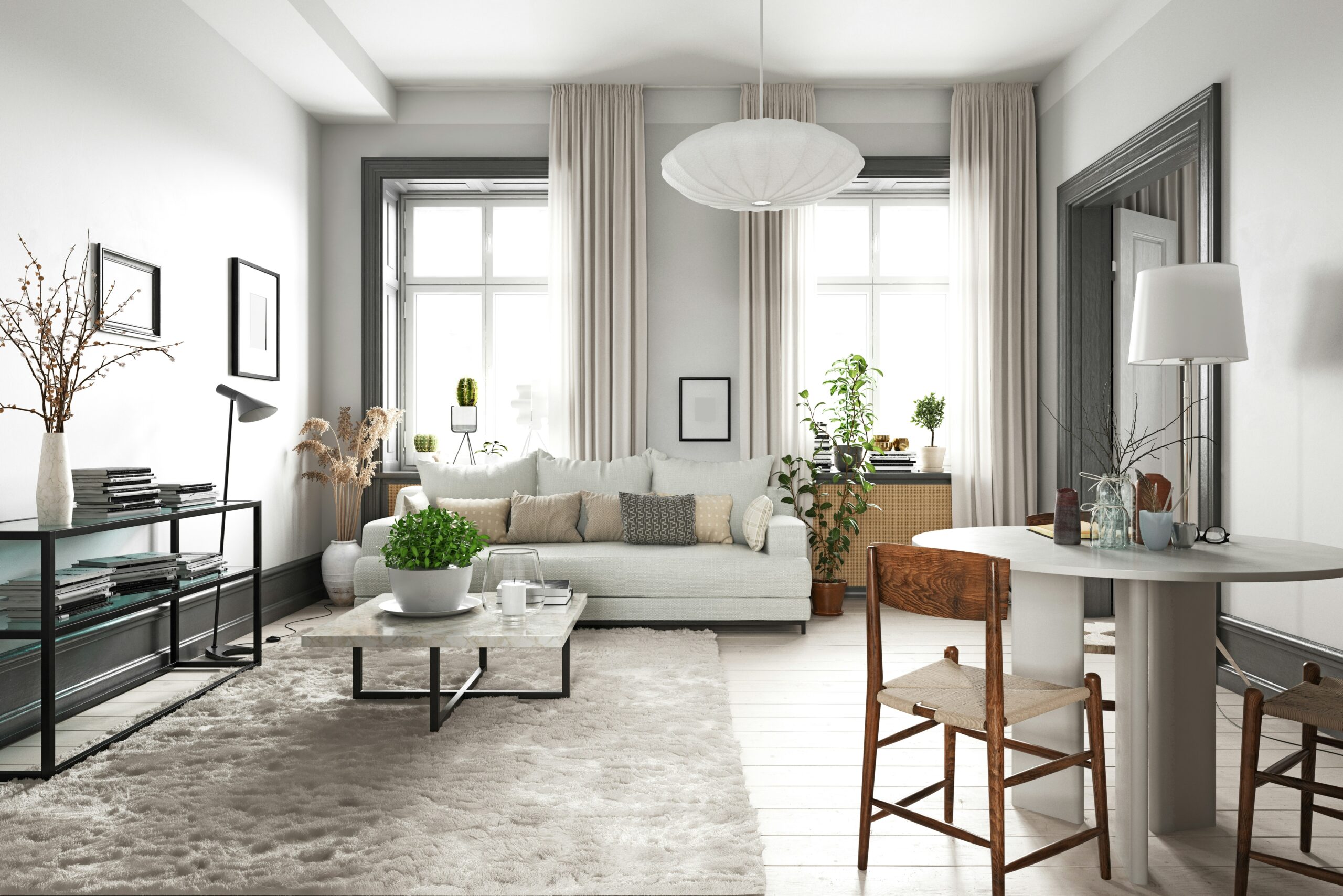
A common example appears in homes where kitchens, dining areas, and living rooms connect visually and physically. Removing unnecessary barriers or repositioning furniture can create a natural loop that supports cooking, conversation, and relaxation without crowding. Homeowners often notice they spend more time in these areas once movement feels effortless. Flow supports use, and use defines value.
Rest Focus
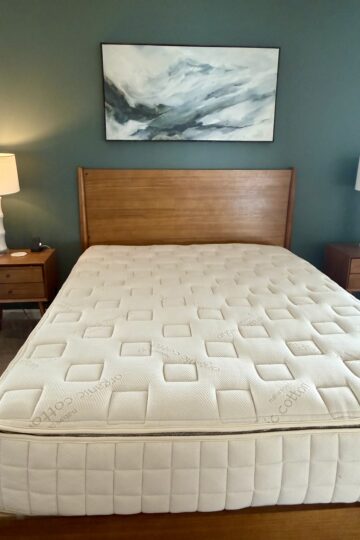
Features added to support relaxation influence how often spaces get used for downtime. Comfortable seating, layered lighting, and temperature control help rooms feel inviting rather than functional only. These updates change the purpose of a space from transitional to restorative.
Bedrooms and living rooms often benefit most. Adding adjustable lighting, sound-absorbing materials, or softer textures encourages longer stays. For example, replacing harsh overhead lighting with lamps and wall fixtures can turn a room into a place where people read, unwind, or rest without distraction. These changes do not add size, yet they increase the amount of time people choose to spend there.
Shared Time
Updates centered around shared experiences support connection and routine. Spaces designed for gathering tend to see consistent use when they feel comfortable and accessible. The goal shifts from hosting occasionally to connecting regularly.
Dining areas offer a strong example. A modest dining nook with comfortable seating, good lighting, and easy access to the kitchen often sees more daily use than a formal dining room. Families linger longer over meals, conversations extend naturally, and the space becomes part of the daily flow. Shared spaces designed with comfort in mind encourage togetherness without needing expansion.
Less Friction
Rooms reworked to reduce daily friction often feel larger without gaining space. Friction comes from obstacles, awkward layouts, or inefficient storage that interrupt routine. Removing those barriers allows rooms to support activity smoothly.
Entryways frequently benefit from this approach. Adding organized storage for shoes, bags, and coats reduces clutter and speeds transitions. The space works better, feels calmer, and supports daily comings and goings. Homeowners often notice improved mood and efficiency simply because the room functions without resistance. Reducing friction adds value through ease, not size.
Sensory Comfort
Sound and texture influence how long people remain in a space, often without conscious thought. Rooms that feel calm tend to manage noise, echo, and surface feel in subtle ways. Soft materials absorb sound, reduce sharp noise, and create an atmosphere that supports longer stays. Texture adds warmth and comfort, helping spaces feel settled rather than stark.
Living rooms offer a good example. Adding upholstered furniture, layered rugs, fabric window treatments, or textured wall finishes changes how sound travels and how the room feels physically. Homes near busy streets or active households often benefit from these updates, as reduced noise allows conversation, reading, or quiet rest without distraction. Comfort grows through sensory balance, and balance invites people to stay longer.
Time Quality
Enhancements aimed at quality of time focus on how spaces support meaningful use rather than how impressive they appear. Rooms designed around actual habits often outperform larger, underused areas. Attention shifts toward comfort, accessibility, and ease rather than scale.
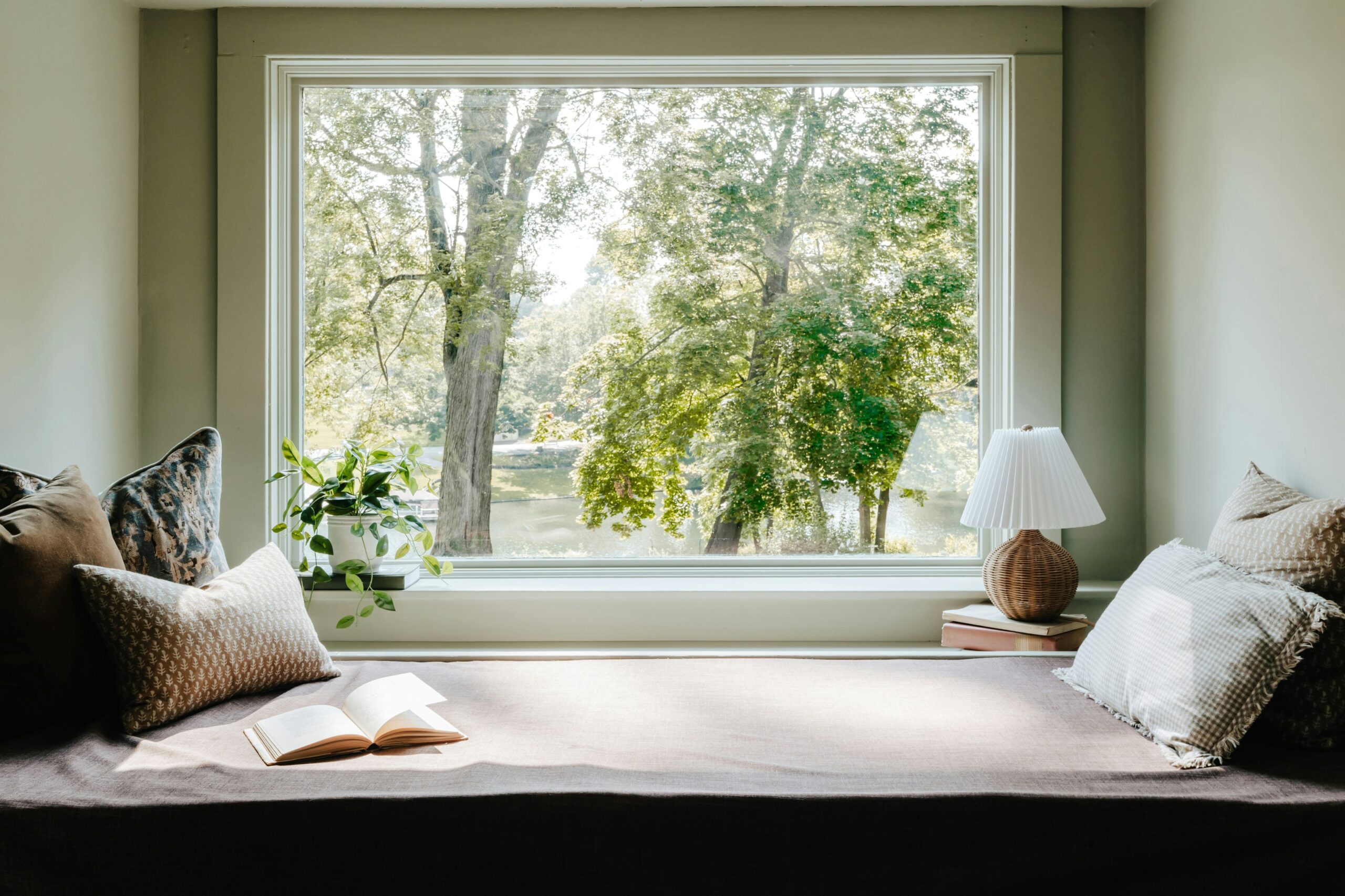
Consider a reading corner carved out of an unused space. A comfortable chair, proper lighting, and a small surface for books or drinks create a spot people return to daily. The square footage remains unchanged, yet the value of that space increases through regular use. Quality-driven updates respect how people live rather than how homes are marketed, which leads to more satisfying results over time.
Present Design
Design choices that encourage presence help people disconnect from constant movement and distraction. Spaces that feel inviting without demanding activity support stillness and focus. Simplicity, thoughtful lighting, and comfortable proportions all contribute to environments where people choose to pause.
A well-designed sitting area illustrates this idea clearly. Balanced furniture placement, natural light, and minimal visual clutter create a space where people sit without feeling rushed. Phones stay down longer. Conversations deepen. Even short breaks feel restorative. Present-focused design supports daily well-being through subtle cues that invite attention rather than urgency.
Home updates centered on time spent show a good understanding of how people live day to day. Square footage alone no longer defines comfort or value. Functionality grows through thoughtful adjustments that support routine, rest, and connection. Slower spaces encourage lingering. Improved flow supports ease. Comfort-focused features invite use. Shared areas strengthen relationships. Reduced friction simplifies daily life. Homes that prioritize experience over expansion often feel more complete without becoming larger. Design decisions grounded in real habits create spaces people return to repeatedly throughout the day.