Why Does BV Reappear So Often?
If you've ever thought, “Didn't I just get rid of this?” after another bout of bacterial vaginosis (BV), you're definitely not alone. BV is one of the most common vaginal conditions, and unfortunately, it's also known for making repeat appearances.
Even after successful treatment, many people experience recurring symptoms within months, making BV feel like a never-ending cycle. The reason isn't necessarily that the treatment didn't work. Instead, BV often recurs because the vaginal microbiome is a delicate ecosystem influenced by factors ranging from hormones to daily habits.
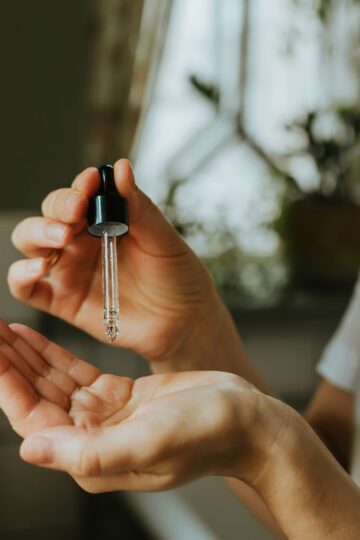
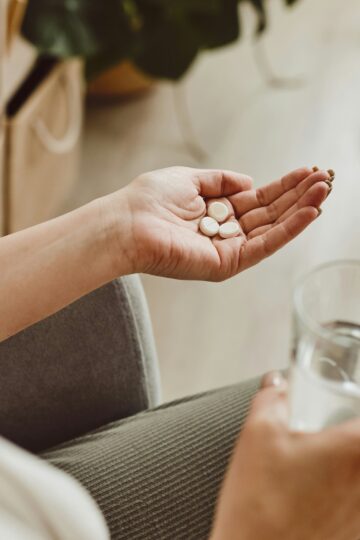
Along with following medical treatment, some people explore supportive options like URO Probiotics to help encourage the growth of beneficial bacteria and promote a healthier balance over time. Understanding why BV comes back is the first step in breaking the cycle.

Understanding What BV Really Is
Bacterial vaginosis (BV) occurs when the natural balance of bacteria in the vagina shifts. Normally, beneficial Lactobacillus bacteria dominate the vaginal microbiome, producing lactic acid that helps maintain a slightly acidic environment. This acidity makes it more difficult for potentially harmful bacteria to multiply.
When Lactobacillus populations decline, other bacteria can grow more rapidly, raising vaginal pH and disrupting the normal balance. This imbalance may lead to unusual discharge, a fishy odor, or mild irritation, though some people experience no symptoms.
Why the Vaginal Microbiome Can Be Easily Disrupted
The vaginal microbiome changes naturally throughout life and even from week to week. Hormonal fluctuations during the menstrual cycle, pregnancy, or menopause can all influence which bacteria thrive.
Everyday activities can also temporarily affect the vaginal environment. Sexual activity, antibiotic use, certain hygiene products, and even prolonged moisture from tight clothing may alter the balance of bacteria.
While these changes don't automatically lead to BV, they can make it easier for harmful bacteria to gain a foothold if beneficial microbes are already reduced. Fortunately, the vaginal microbiome is also remarkably resilient, and many temporary disruptions resolve on their own.
Antibiotics and BV Recurrence
Antibiotics are highly effective at reducing the bacteria responsible for BV and relieving symptoms. For many people, treatment works exactly as intended.
The challenge is that antibiotics primarily remove the overgrown bacteria, but they don't always immediately restore large populations of beneficial Lactobacillus. Until those protective bacteria are reestablished, the vaginal environment may remain vulnerable to another imbalance.
This helps explain why recurring BV is so common. Treatment may successfully eliminate the current infection, but rebuilding a stable microbiome often takes longer. Researchers continue studying additional strategies that may help support a healthier bacterial balance after antibiotics, especially for people who experience frequent recurrences.
Biofilms Can Help Unwanted Bacteria Stick Around
One reason BV can be so persistent is biofilms. A biofilm is a thin, protective layer that certain bacteria create to attach themselves to vaginal tissue.
Inside this protective coating, bacteria may be more difficult to eliminate completely, even after antibiotic treatment. While many bacteria are removed, small populations may remain behind and eventually multiply again, contributing to another episode of BV.
Everyday Habits That May Increase the Risk of Recurrence
Although BV can return even when you do everything “right,” certain everyday habits may increase the likelihood of disrupting the vaginal microbiome. Douching is one of the biggest culprits because it can wash away beneficial Lactobacillus bacteria while altering the vagina's natural acidity.
Scented soaps, sprays, and feminine hygiene products may also irritate sensitive tissues or interfere with the natural bacterial balance. Other factors, such as smoking and unprotected sex, have also been associated with a higher risk of recurring BV.
However, no single habit guarantees that BV will return. Instead, recurrence usually results from a combination of biological and lifestyle factors.
Hormones Can Influence Vaginal Health
Hormones are a significant factor in maintaining a healthy vaginal environment. Estrogen helps support the production of glycogen, a natural carbohydrate that serves as food for beneficial Lactobacillus bacteria.
When estrogen levels are healthy, these microbes are often better able to thrive. During hormonal changes, including menstruation, pregnancy, perimenopause, and menopause, the vaginal microbiome may shift.
These changes can temporarily reduce Lactobacillus populations, making it easier for other bacteria to become more abundant. While hormonal fluctuations are completely normal, they can help explain why some people experience recurring BV during certain stages of life.
Focus on Long-Term Balance
Recurring BV can be frustrating, but it is also very common. In many cases, it reflects the complexity of the vaginal microbiome rather than a failure to respond to treatment.
The goal is to both eliminate unwanted bacteria and to support a healthy, balanced vaginal environment that is better able to resist future disruptions. By understanding the factors that contribute to recurrence and working with a healthcare provider on a personalized treatment plan, you can take meaningful steps toward long-term vaginal wellness.