What Is Epitalon and Why Is It Gaining Attention in Longevity Research?
Every cell in the human body carries a built-in timer — the telomere. As cells divide, these protective caps at the ends of chromosomes grow shorter, and with them, the body's capacity for self-renewal declines. Epitalon is a synthetic tetrapeptide that researchers have been studying for its ability to influence this process at the molecular level.
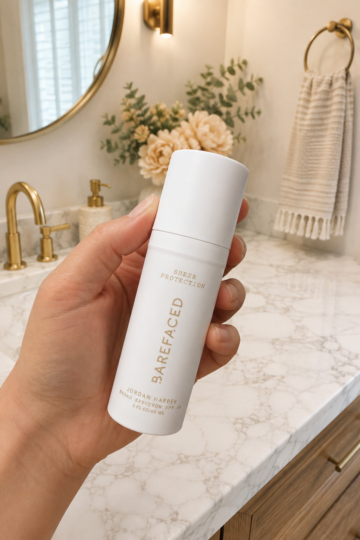
Developed in Russia over four decades ago, it has since attracted growing interest among geroscientists worldwide. This article looks at what Epitalon is, how it works, and what the current body of research actually shows. You can buy Epitalon in spray form, which represents one of the delivery methods being explored for bioavailability optimisation.

Where Epitalon Comes From and What It Is
Epitalon (also rendered as Epithalon) is a synthetic tetrapeptide composed of four amino acids: alanine, glutamic acid, aspartic acid, and glycine. Its development began in the 1980s at the St. Petersburg Institute of Bioregulation and Gerontology under Professor Vladimir Khavinson, who was investigating the role of the pineal gland in ageing.
The peptide is a synthetic analogue of epithalamin, a natural extract derived from pineal gland tissue. In 2017, researchers confirmed the presence of Epitalon in native pineal gland extracts, validating its endogenous origin. The pineal gland is best known for producing melatonin and regulating circadian rhythms, but research has revealed its deeper role in modulating the pace of biological ageing.
Epitalon is currently studied in its free-base form and, in some research, as acetate or trifluoroacetate salt. Its small molecular size — just four amino acids — distinguishes it from larger peptide compounds and shapes how it interacts with cellular targets.
The Telomere Mechanism: How Epitalon May Influence Cellular Ageing
The central mechanism investigated in Epitalon research is its effect on telomerase — the enzyme responsible for maintaining telomere length. Under normal physiological conditions, telomerase activity declines with age in most somatic cells. Shorter telomeres are associated with reduced regenerative capacity, increased inflammation, and a higher risk of age-related disease.
Studies conducted in cell cultures and animal models have shown that Epitalon can stimulate telomerase and, in doing so, slow or partially reverse telomere shortening. This is the basis for its classification as a geroprotective compound, one that targets the biological machinery of ageing rather than individual symptoms.
What makes Epitalon particularly interesting to researchers is a pattern observed across several animal studies:
- telomerase activation occurred in ageing or stressed cells without triggering abnormal cell proliferation;
- tumor incidence in rodents predisposed to cancer did not increase and, in some models, decreased;
- lifespan extension was observed in mice and rats, particularly in strains prone to rapid ageing.
This combination runs counter to the conventional assumption that higher telomerase activity raises oncological risk — a paradox that researchers are actively working to explain through epigenetic and chromatin-level mechanisms.
Antioxidant Activity and Pineal Gland Regulation
Telomere biology is not the only domain where Epitalon has shown measurable effects. Research published in peer-reviewed literature has documented its antioxidant properties, which appear comparable in scope to those of melatonin.
A study examining post-ovulatory oocyte ageing found that Epitalon at a concentration of 0.1 mM significantly reduced intracellular reactive oxygen species, decreased spindle defects, and improved mitochondrial membrane potential. These findings point to a role in protecting cellular structures from oxidative stress — a key driver of biological ageing at the tissue level.
Separately, Epitalon has been shown to support pineal gland function itself. As the pineal gland ages, melatonin synthesis declines, disrupting sleep architecture and circadian regulation. Research suggests Epitalon can help restore more youthful melatonin production, which in turn supports sleep quality, hormonal balance, and immune function — all systems that deteriorate in parallel with telomere attrition.
What Clinical and Long-Term Research Has Found
Russia has the longest track record of clinical Epitalon research, spanning more than 30 years of documented study. Clinical trials have examined its effects in elderly patients with cardiovascular and metabolic conditions, with findings reported across several phases of investigation. These studies are not yet replicated at scale in Western research settings, which is an important limitation to note when interpreting the data.
The current evidence base, while promising, remains predominantly preclinical. The strongest signals come from:
- in vitro models demonstrating telomerase stimulation in human somatic cells;
- rodent lifespan studies with genetically accelerated ageing models;
- antioxidant and oocyte-protection studies at the cellular level;
- clinical observations in elderly cohorts across Russian academic institutions.
Large-scale randomised controlled trials in humans, the standard required to establish clinical recommendations, have not yet been completed. Responsible researchers in the field consistently identify this as the next necessary step.

Why Longevity Research Is Taking Epitalon Seriously
The growing interest in Epitalon reflects a broader shift in geroscience toward targeting the root mechanisms of ageing rather than its downstream effects. Most established longevity interventions act on one or two ageing pathways — mTOR signalling, metabolic flexibility, and inflammation. Epitalon's profile is more systemic: it touches telomere biology, antioxidant defence, circadian regulation, and immune function within a single compact molecule.
Its pineal gland origin gives it an additional dimension. The pineal gland sits at the intersection of neuroendocrine regulation and circadian biology, and its declining function is considered one of the early markers of organismal ageing. A peptide that both derives from and supports this gland occupies a distinctive position in the landscape of bioregulatory compounds.
Compounds with a multi-pathway profile and a documented research history of over four decades occupy a rare position in longevity science — they arrive with more questions than answers, but also with more data than most.