
What Is a Commissary Kitchen, and Do You Need One
A commissary kitchen offers a smart path for small food businesses to operate legally and efficiently. It’s a licensed, shared space where chefs, caterers, and food truck owners can prepare meals without the cost of owning a full kitchen.
These facilities combine flexibility, professional-grade equipment, and reliable compliance with health regulations. The setup creates room for growth, consistency, and creativity while keeping overhead low and production standards high.
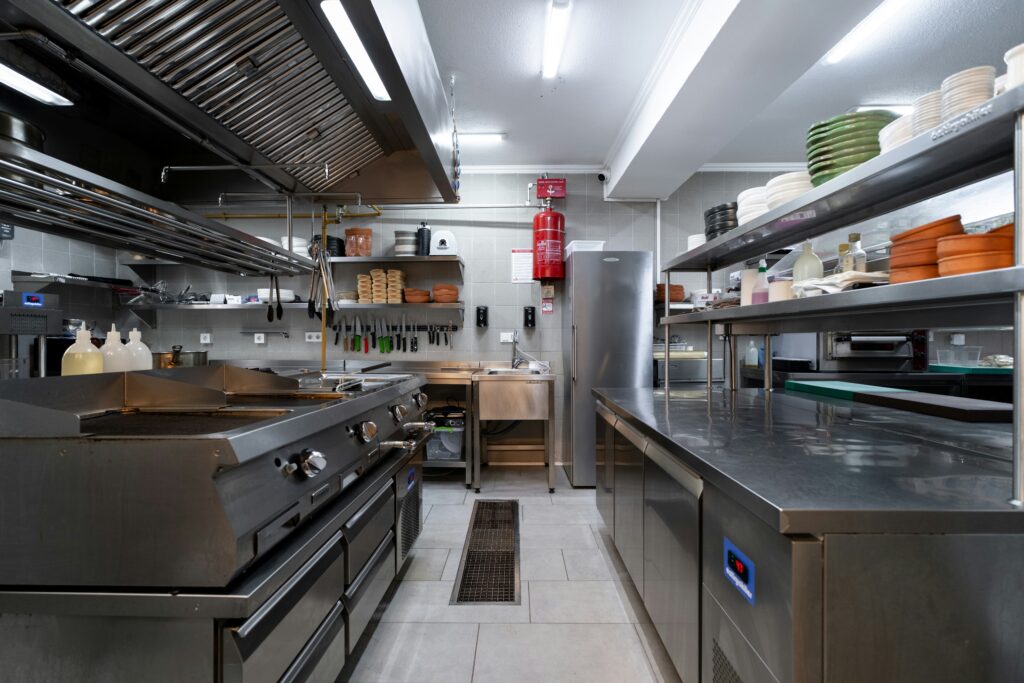
What Is a Commissary Kitchen and Who Uses It
A commissary kitchen is a licensed, shared cooking facility where food professionals rent space to prepare meals safely and legally. It’s designed for chefs, caterers, bakers, and mobile vendors who need commercial-grade equipment without the cost of owning it.
The workspace includes ovens, mixers, refrigerators, and prep tables, much like those shown in the middle of the Restaurant Supply product catalog, giving renters access to dependable tools for consistent production. It’s a practical solution for expanding food operations without a large upfront investment.
Deciding Whether a Commissary Kitchen Makes Sense for You
The value of a commissary kitchen depends on how your food business operates. Food trucks, caterers, and small producers often rent these spaces to stay compliant and control costs. The setup offers access to professional equipment without the burden of maintenance or long-term leases.
Renting time in a commissary kitchen provides freedom to scale production, test recipes, and adjust schedules as demand changes. Many small businesses find this flexibility more sustainable than investing in a private facility early on.
How Commissary Kitchens Operate Day to Day
Most commissary kitchens run on scheduled time blocks that renters book in advance. Each user gets assigned hours, storage space, and cleaning responsibilities. This structure keeps operations organized and compliant with health rules.
The shared system benefits those who need reliable access to professional equipment but not full-time use. Schedules often rotate weekly, giving everyone fair time to cook and prep. For busy entrepreneurs, the setup creates an efficient workflow without the pressure of maintaining a full kitchen.
Typical Amenities Found in a Commissary Kitchen
A commissary kitchen provides the essential tools needed for efficient and compliant food production. Most include commercial ovens, ranges, mixers, prep tables, and walk-in coolers. Many also offer secure dry storage, dishwashing areas, and designated sections for packaging.
Some kitchens specialize in supporting businesses that prepare organic food, offering dedicated zones to prevent cross-contamination. These features help chefs and food producers maintain consistent quality, meet safety standards, and focus on delivering products that reflect their brand values.
Evaluating a Commissary Kitchen Before You Commit
Before renting space, check the facility’s cleanliness, available equipment, storage capacity, and scheduling policies. Review lease terms carefully to understand fees, security deposits, and maintenance expectations. Confirm that permits and health certifications are current.
A quick checklist helps: Is the location convenient? Does the layout support your workflow? Are hours flexible enough for your production schedule? A well-chosen commissary kitchen can become a dependable base for building your brand and confidently meeting demand.
Final Words
Choosing a commissary kitchen can open doors for growth, creativity, and consistency in your food business. It’s a space built for professionals who value quality and efficiency without overextending resources.
Whether you’re refining menus or expanding production, the right kitchen supports that momentum. Look for one that fits your goals, feels collaborative, and gives you the confidence to scale at your own pace.