Tired, Heavy Legs After a Day of Exploring? What Your Body Might Be Telling You
There is something satisfying about ending a day of exploring with the feeling that you have truly experienced a destination. Maybe you spent hours walking through unfamiliar streets, climbed the steps to a historic landmark, wandered through a local market, or followed a scenic trail without checking the time. But when you finally return to your hotel, your legs may tell a different story. They feel heavy, tired, achy, or unusually swollen, and suddenly the idea of another full day of sightseeing seems less appealing.
Occasional leg fatigue after an active day is completely understandable. However, when heavy or tired legs happen frequently, become increasingly uncomfortable, or continue even when your activity level is normal, they may be telling you something worth paying attention to. The symptoms can have several possible causes, ranging from prolonged standing and sitting to vein-related conditions.
People in the San Antonio area who are experiencing persistent vein-related concerns can learn more about healthier legs with personalized vein care in San Antonio and discuss their individual symptoms with an appropriate healthcare provider.
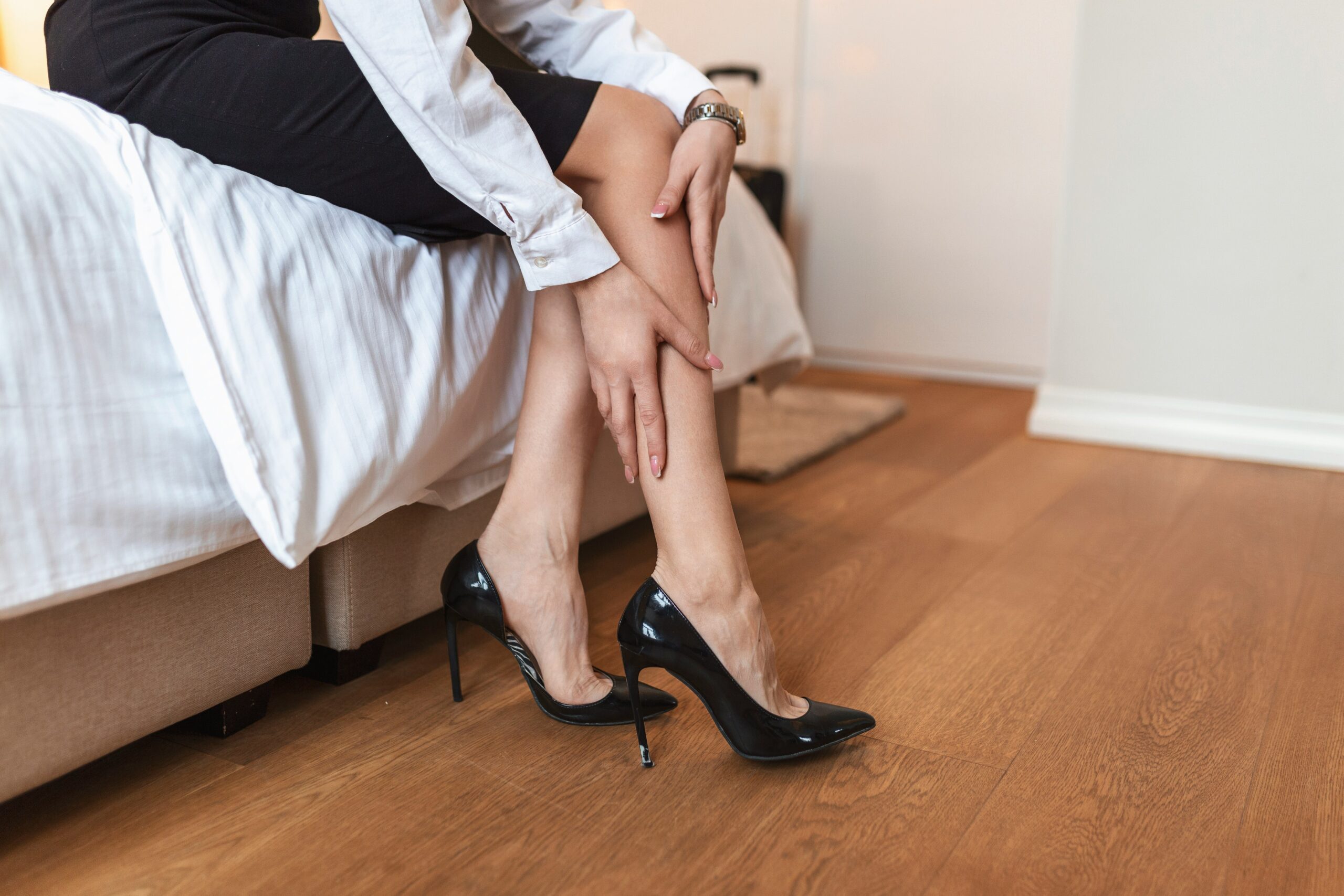
Why Do Legs Feel Heavy After a Day of Exploring?
Walking for several hours places a physical demand on the muscles, joints, feet, and circulatory system. Even people who exercise regularly may notice tired legs after spending an entire day on unfamiliar terrain.
There is also a difference between a planned workout and hours of casual activity. A workout may last 30 or 60 minutes, while a sightseeing day can involve thousands of steps spread across many hours. You may walk, stand in lines, climb stairs, sit briefly at a café, and then start walking again. By evening, the cumulative effect can be surprisingly noticeable.
Standing for long periods can also contribute to swelling and discomfort. According to NHS guidance, varicose vein symptoms such as aching, heaviness, and swelling can become worse after prolonged standing and may improve when the legs are elevated.
This does not mean every tired leg is a sign of vein disease. Sometimes your body is simply asking for rest.
Your Calf Muscles Have a Role in Blood Flow
The relationship between movement and circulation is one reason walking is generally beneficial for the legs. When you walk, your calf muscles contract and help support the movement of blood through the veins toward the heart.
The process becomes less efficient when you remain still for extended periods. This can happen during a long flight, road trip, train journey, or even a long afternoon sitting at a restaurant or event.
The opposite can also be uncomfortable. Spending an entire day on your feet without enough opportunities to sit or change position may contribute to leg fatigue and swelling.
Healthy movement is therefore less about being active every minute and more about avoiding prolonged periods in the same position.
Heavy Legs Can Sometimes Be Related to Vein Health
For some people, recurring leg heaviness is connected to the way blood moves through the veins.
Veins contain valves that help direct blood upward toward the heart. When these valves do not function effectively, blood can move backward and accumulate in the veins of the legs. Over time, this can contribute to enlarged and twisted varicose veins.
Varicose veins are common and are not necessarily dangerous, but they can cause symptoms. The NHS identifies aching, pain, heaviness, itching, skin changes, and swollen legs or ankles among possible symptoms.
The pattern can also provide useful information. If your legs repeatedly feel heavier toward the end of the day, especially after standing or walking for long periods, it may be worth discussing the symptoms with a healthcare professional rather than simply assuming they are part of an active lifestyle.
Travel Can Make Existing Symptoms More Noticeable
Exploring a new destination often changes your normal routine. You may walk more than usual, sleep differently, eat unfamiliar foods, and spend longer periods standing or sitting.
Long-distance travel introduces another factor: prolonged immobility. The CDC explains that sitting for extended periods during travel can cause blood to pool in the leg veins and increase the risk of deep vein thrombosis, or DVT. The overall risk is generally small, but it can be higher for people with certain risk factors.
That is one reason frequent travelers should think about movement before arriving at their destination. Standing up periodically during long journeys, walking when possible, and exercising the calf muscles while seated can help reduce prolonged inactivity.
Once you arrive, however, there is another consideration: pacing yourself.
A vacation does not have to become a test of how many steps you can complete in one day.
The Problem With Trying to See Everything in One Day
Travelers often build ambitious itineraries because they want to make the most of limited time. That might mean breakfast across town, several museums before lunch, an afternoon walking tour, shopping in the evening, and dinner on the other side of the city.
The excitement is understandable, but the body may eventually push back.
When the legs begin feeling heavy, continuing to add activity without a break may reduce the enjoyment of the experience. A short rest can sometimes make it possible to continue comfortably later.
This is particularly important for people who already experience leg discomfort. A more balanced itinerary can include periods of walking, sitting, eating, sightseeing, and relaxing rather than treating every hour as an opportunity to cover more ground.
Comfortable Feet Can Help Your Legs Too
Leg comfort begins at the ground.
Shoes that are uncomfortable, too tight, poorly fitted, or unsuitable for the terrain can make a walking day much harder. When your feet become sore, you may unconsciously change the way you walk, which can place additional stress on the ankles, knees, and legs.
For a city-focused trip, footwear should be selected according to how much walking you realistically expect to do. A pair of shoes that feels fine during a 20-minute errand may not feel nearly as good after six hours of exploring.
It can also help to alternate activities when possible. A walking tour followed by a relaxed meal or a museum visit with seating gives the legs a chance to recover without ending the day entirely.
Simple Habits Can Make Exploring Easier
Supporting comfortable legs does not require an elaborate wellness routine.
Small changes can fit naturally into an active day. Take a short break before your legs become extremely tired. Change positions instead of standing in one place for long periods. Walk at a comfortable pace rather than treating sightseeing like a race. When you are resting, consider elevating your legs if that feels comfortable.
Regular physical activity such as walking is generally encouraged for supporting blood flow and overall health. NHS guidance for people with varicose veins also recommends regular exercise and avoiding long periods of sitting or standing.
The goal is consistency rather than perfection.
Hydration and Recovery Still Matter
Exploring can make people forget basic wellness habits. A busy day may involve coffee in the morning, a quick lunch, several hours outside, and dinner much later than usual.
Drinking water regularly is part of general healthy travel habits, especially in warm climates or during physically active days. Adequate hydration does not treat an underlying vein condition, but it supports normal body function and can help you avoid adding dehydration to an already demanding day.
Recovery is equally important. Good sleep gives the body time to recover from physical activity, while a less demanding evening can help you feel better the following morning.
If every day of a vacation is scheduled at maximum intensity, even healthy legs may eventually feel exhausted.
When Heavy Legs Deserve More Attention
There is a meaningful difference between temporary fatigue and recurring symptoms.
If your legs feel tired after walking 15,000 steps through a city but feel normal again after rest, that may simply reflect the amount of activity you completed. On the other hand, recurring heaviness, aching, swelling, itching, visible varicose veins, or skin changes may deserve a closer look.
The NHS recommends seeking medical advice when varicose veins cause symptoms such as pain, itching, or swelling, or when they are getting worse.
A healthcare professional can evaluate your symptoms and determine whether they may be related to a vein condition or another cause.
Do Not Confuse Ordinary Fatigue With a Blood Clot
Most tired legs after sightseeing are not caused by a blood clot. Nevertheless, travelers should understand the warning signs because DVT requires medical attention.
The CDC lists swelling, pain or tenderness, and skin that is red or warm to the touch among possible symptoms of DVT, usually affecting one leg.
Sudden difficulty breathing, chest pain, coughing up blood, a rapid heartbeat, lightheadedness, or fainting can indicate a pulmonary embolism and require immediate medical attention.
These symptoms should never be dismissed as ordinary post-travel fatigue.
People with risk factors such as a previous blood clot, recent surgery or hospitalization, certain clotting disorders, pregnancy, cancer, older age, or prolonged immobility may need individualized advice before undertaking long-distance travel.
Give Your Legs a Chance to Recover
There is no prize for finishing a vacation with the highest step count.
For wellness-minded travelers, recovery should be viewed as part of an active lifestyle rather than the opposite of it. After a long day, relaxing for a while, changing into comfortable clothing, elevating the legs, and getting enough sleep can help prepare you for the next day.
This approach is particularly useful on longer trips. Instead of planning several consecutive days of intense walking, consider alternating demanding activities with slower experiences.
One day might involve hiking or extensive sightseeing, while the next could focus on a relaxed neighborhood, a leisurely meal, or a cultural attraction with plenty of opportunities to sit.
Listen to the Pattern, Not Just the Symptom
Perhaps the most useful question is not simply, "Why are my legs tired today?"
Instead, ask, "When do my legs usually become tired?"
Do they feel heavy only after unusually long walks? Does swelling appear after standing? Does discomfort happen at the end of almost every day? Does it improve when you rest or elevate your legs? Does it occur even when you have not been especially active?
Patterns can provide useful information when discussing symptoms with a healthcare professional.
A single tired day may tell you that you walked a lot. A recurring pattern may tell you something more.
Make Leg Health Part of Your Travel Wellness Routine
Healthy travel is often presented in terms of nutrition, exercise, sleep, and mental well-being. Leg health fits naturally into that same conversation.
Movement should be regular but balanced. Rest should be intentional rather than something you take only after becoming exhausted. Comfortable footwear should be considered part of travel preparation. Persistent symptoms should be evaluated rather than ignored.
For frequent travelers, these habits can become automatic. Before a trip, think about how much walking you will actually do. During transportation, avoid sitting completely still for prolonged periods. While exploring, take breaks before discomfort becomes severe. After a long day, allow yourself time to recover.
These simple decisions can make the difference between waking up ready for another adventure and waking up wondering how your legs are going to survive the itinerary.
Conclusion
Tired, heavy legs after a long day of exploring are often a natural response to increased activity, prolonged standing, or simply doing more walking than usual. But when heaviness, aching, swelling, itching, visible veins, or discomfort becomes a regular pattern, your body may be giving you a reason to look beyond ordinary fatigue.
The best approach is not to fear every symptom but to pay attention to patterns. Regular movement, sensible pacing, comfortable footwear, adequate hydration, and proper recovery can support everyday leg wellness. At the same time, persistent or worsening symptoms deserve appropriate professional attention.
Exploring the world should challenge your curiosity, not leave you constantly fighting discomfort. By taking better care of your legs and recognizing when they may need more than a night's rest, you can keep moving with greater comfort and confidence—whether you are navigating your own neighborhood or discovering somewhere completely new.