
The Preventive Care Appointments to Schedule in Your 20s (Not Annuals)
In your 20s, it’s easy to assume that health problems are something to worry about later in life. However, many conditions develop quietly over time. This is where scheduling preventive care appointments could save your life.
Issues like nutrient deficiencies, hormonal imbalances or metabolic changes often begin years before noticeable symptoms appear. Starting a preventive care plan now ensures you’re better prepared to handle these silent health risks later if they do arise.
What Is Considered A Preventive Care Appointment?
If you already have annual checkups, that's a great first step. However, a preventive care plan should also include more in-depth medical screenings beyond the routine ones you have every year.
A typical annual checkup usually includes a general physical examination. It also uses routine vital checks alongside basic questions about your lifestyle habits.
Preventive care screenings are a more proactive approach. They help identify potential health concerns early so you can take action sooner. Choosing to prioritize early preventive care can reduce future or long-term medical expenses and support better well-being.
To learn more about preventive care screenings, start by understanding the difference between annual checkups and preventive tests:
Annual Checkup
- General overall health assessment and physical examination by a doctor, usually once a year
- Review of medical history and lifestyle and basic measurements such as blood pressure, weight and BMI
- Broad discussion on health concerns and prevention
- May lead to further tests if something looks abnormal
Preventive Care Appointment Tests
- Specific tests aimed at early disease detection based on age, sex and risk factors
- Blood tests, cancer screenings, imaging or other specialized checks
- Done at varying intervals
- Detect issues before symptoms appear
- Can lead to early treatment or monitoring

Both types of medical screenings are important. However, relying solely on yearly checkups may mean you miss early warning signs that could escalate into more serious health concerns. Preventive care appointments can provide a more thorough examination. This means you can catch early symptoms and get help as soon as possible.
1) Baseline Bloodwork Preventive Care Appointment
Getting baseline bloodwork is one of the most important preventive steps you can take in your 20s, even if you feel perfectly healthy.
What It Is
Baseline bloodwork is a set of laboratory tests that measure key markers in your blood. These results help assess how well your body is functioning internally. It gives your doctor a “snapshot” of your health at a specific point in time.
Types of baseline blood tests include:
- Full blood count
- Lipid profile for cholesterol levels
- Blood glucose/HbA1c for blood sugar markers
- Liver function tests
- Kidney function tests
- Thyroid function tests
Why It Matters Before Symptoms Appear
High cholesterol, early insulin resistance, thyroid imbalance and vitamin deficiencies often don’t show clear symptoms at first. By the time signs appear, the condition may already be more advanced.
Baseline results provide a reference point for future comparisons and early detection of hidden risk factors. At the same time, these tests offer insights into how current lifestyle habits affect your body.
When to Schedule a Baseline Blood Test
You should make this preventive care appointment:
- Every three to five years, if you are generally healthy.
- Every one to two years if you have a family history of chronic conditions, persistent fatigue or known risk factors.
2) Advanced Preventive Lab Test Appointment
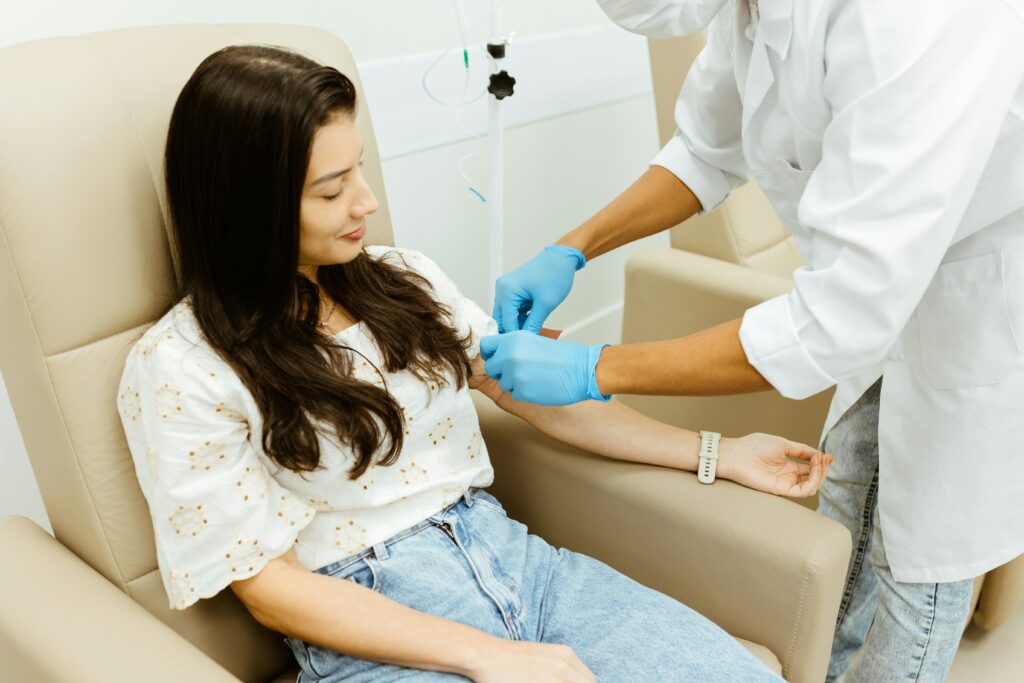
After getting your bloodwork, you should make an appointment for an advanced preventive lab test. This will help you monitor your health over time with more targeted screening.
What It Is
Advanced preventive lab testing refers to functional health panels that investigate specific systems in the body more deeply than routine bloodwork. Standard checkups don't usually include these types of tests. You should consult your doctor to determine the specific tests you need based on your health conditions and goals.
Types of advanced preventive tests at these care appointments include:
- Vitamin and mineral panels, such as vitamin D, B12, magnesium and other nutritional profiles
- Hormonal testing, such as thyroid and reproductive hormones
- Inflammatory markers in specific risk cases
- Allergy testing
- Iron levels tests, especially for fatigue or heavy periods
Why It Matters Before Symptoms Appear
Small imbalances often show up in lab results before they become noticeable in daily life. Catching these early allows you to adjust diet, lifestyle or treatment before they escalate. Some common examples include low iron symptoms such as fatigue and brain fog, thyroid imbalance — which slowly affects weight, mood and energy. Another is vitamin deficiencies that impact focus and immune function.
When to Schedule an Advanced Preventive Lab Test
You should make an appointment:
- As necessary based on symptoms or risk factors.
- Annually, if you are managing an ongoing deficiency or condition.
- Periodically, if your healthcare provider recommends it after baseline screening.
3) Comprehensive Wellness Screenings
Comprehensive wellness screenings take a broader, more holistic approach to preventive care, emphasizing lifestyle management and mental health to complement physical health.

What It Is
A comprehensive wellness screening is an in-depth health evaluation that assesses different systems of your body simultaneously. It goes beyond basic physical checkups to provide a fuller picture of your overall health.
Types of wellness screenings include:
- Full physical assessment, including height, weight, BMI and body composition
- Cardiovascular screening to check blood pressure, heart rate and sometimes ECG
- Basic metabolic health checks on cholesterol, glucose and insulin levels
- Mental well-being screening for anxiety, depression and other mental health conditions
- Lifestyle assessment, such as diet, sleep, stress and activity levels
Why It Matters Before Symptoms Appear
The preventive care appointment of wellness screenings can identify early risk patterns across multiple areas of health. This can include components such as early cardiovascular risks, metabolic changes linked to diet or stress, and early signs of chronic lifestyle-related or mental health conditions.
Research shows that around 75% of chronic mental health conditions start emerging by the age of 24 in young adults, indicating a serious need for early mental health assessment and support. Wellness screenings that incorporate mental and emotional health into their programs play an important part in addressing this concern.
When to Schedule a Comprehensive Wellness Screening
Get your comprehensive wellness screening:
- Every two to five years, depending on risk level and access.
- More frequently if you have a strong family history of chronic illness.
- After major lifestyle changes, such as significant weight change, high stress periods, life transitions or a major diet shift.
Better Health Starts Today with Preventive Care Appointments
Your 20s are the perfect time to start thinking about your health instead of waiting for symptoms to appear. Understanding what is considered preventive care and taking a proactive approach can help you make more informed lifestyle choices and build a stronger foundation for your future. Even a few extra appointments each year can make a meaningful difference in your long-term well-being.
By Tessa Dodson
Tessa Dodson is the Senior Writer at Classrooms.com and a former career coach specializing in educational content and career transitions. She enjoys writing about navigating young adulthood, professional development, and finding clarity during life's major shifts. When not writing, you can find Tessa curled up with her latest read, working on other creative projects, or exploring new cafes.