
Polarized vs. Non-Polarized Sunglasses: Which One Do You Really Need?
Picking the right sunglasses isn’t just about style-it’s important for your eye comfort and eye health, especially on bright, sunny days.
One of the main choices to make is: polarized or non-polarized? Both protect your eyes from sunlight, but they work differently and each type has its own strengths and weaknesses based on your daily life and activities.
Learning how each works can help you pick the best option, whether you’re driving, skiing, or relaxing by the water with top-quality fishing sunglasses.
There is no single “best” type of sunglasses for everyone-it’s a personal choice that depends on your situation. In this article, we’ll explain how both types of lenses work, their main pros and cons, and give you clear examples to help you figure out what will work best for you.
What’s the Difference Between Polarized and Non-Polarized Sunglasses?
Both polarized and non-polarized sunglasses help reduce the brightness from sunlight. The key difference is how they deal with glare, especially from flat surfaces.
How Do Polarized Lenses Work?
Polarized lenses are best known for reducing glare. They contain a special chemical filter set in a vertical pattern.
This filter stops the harsh, horizontal glare that happens when light bounces off surfaces like water, snow, wet roads, or the hood of a car. Only light traveling straight (vertically) gets through, while glare (horizontal light) is blocked.
This technology makes everything look clearer and colors seem more vivid.
According to Dr. Chris Erwin from the Cleveland Clinic, polarized lenses are great at reducing glare while driving or boating, making your view sharper and more comfortable.
How Do Non-Polarized Lenses Work?
Non-polarized sunglasses don’t have this special filter. They simply make everything look dimmer by cutting down the overall brightness. This helps protect your eyes and stops you from squinting, but it doesn’t specifically handle glare from shiny surfaces.
So, while they do make sunny days easier on your eyes, they won’t reduce the blinding effect you get from water or wet roads.
Advantages and Disadvantages of Polarized Sunglasses
Polarized sunglasses offer unique benefits, but they also have some limitations.
Why Choose Polarized Sunglasses?
- Reduce Glare and Eye Strain: The most important benefit is that polarized sunglasses cut down glare. This makes it easier and more comfortable to see, especially around water, snow, or shiny surfaces. The result is less squinting and less tired eyes during long outdoor activities.
- Sharpen Clarity and Boost Contrast: By removing glare, these lenses make colors pop and show more detail. If you love being outside, polarized lenses let you see the world in greater detail.
Where Polarized Sunglasses Work Best
- Perfect for boating, fishing, paddleboarding, or any water sports-they let you see below the water surface by stopping reflections.
- Great for driving, as they cut glare from wet roads and car hoods, making it much safer and less tiring.
- Useful for snow sports, but some skiers and snowboarders need to be careful because it can be harder to tell ice from snow.
- Helpful for hiking, biking, and golf, especially in bright, sunny conditions.
Limitations of Polarized Lenses
- Problems with Digital Screens: Many LCD/screens (like phones, tablets, car dash displays, and ATMs) look dim, odd, or even black when seen through polarized sunglasses.
- Can Affect Depth Perception in Snow: Some users find it harder to spot ice patches, which can be risky on ski slopes.
- Higher Cost: Because of the added technology, polarized sunglasses usually cost more than non-polarized ones.

Advantages and Disadvantages of Non-Polarized Sunglasses
Non-polarized sunglasses are simple, affordable, and can be the right pick in some cases.
Why Choose Non-Polarized Sunglasses?
- Basic Sun and UV Protection: They make bright days softer on your eyes and usually block harmful UVA and UVB rays if they’re labeled as UV-protective. This keeps your eyes healthy over time.
- Better for Using Screens: If you use digital screens outdoors, non-polarized lenses don’t interfere with your view. Pilots, heavy equipment operators, or anyone always checking their phone or car’s navigation should pick these for clear screen visibility.
Downsides Compared to Polarized Lenses
- No Glare Control: Non-polarized sunglasses don’t block glare, making it tough in extra-bright, reflective conditions.
- Less Vibrant Vision: While these lenses cut down on brightness, they don’t make colors stand out or deliver sharp contrast like polarized ones do.
UV Protection: The Most Important Feature
No matter which type you choose, always check for 100% UV protection. This is what keeps your eyes safe from sun damage.
| Polarized Sunglasses | Non-Polarized Sunglasses | |
| Blocks UVA/UVB? | Check for UV rating-polarization itself doesn’t block UV | Check for UV rating |
| Reduces Glare? | Yes | No |
| Good for Screen Viewing? | No | Yes |
| Average Cost | Usually higher | Usually lower |
Does Polarized Mean UV Protection?
Polarized sunglasses are made to block glare-not necessarily UV rays. Always look for labels like “100% UVA-UVB protection” or “UV400” to make sure your sunglasses actually filter out harmful rays, no matter if they’re polarized or not.
How to Make Sure Your Sunglasses Protect Your Eyes
- Choose sunglasses with clear UV protection labeling.
- Bigger frames or styles that curve around your face can shield your eyes from sunlight coming in from the sides.
When Should You Pick Polarized or Non-Polarized Lenses?
Your ideal sunglasses depend on what you do each day, your environment, and what you like best. Pick the lens type that matches your activities.
Situations That Suit Polarized Sunglasses
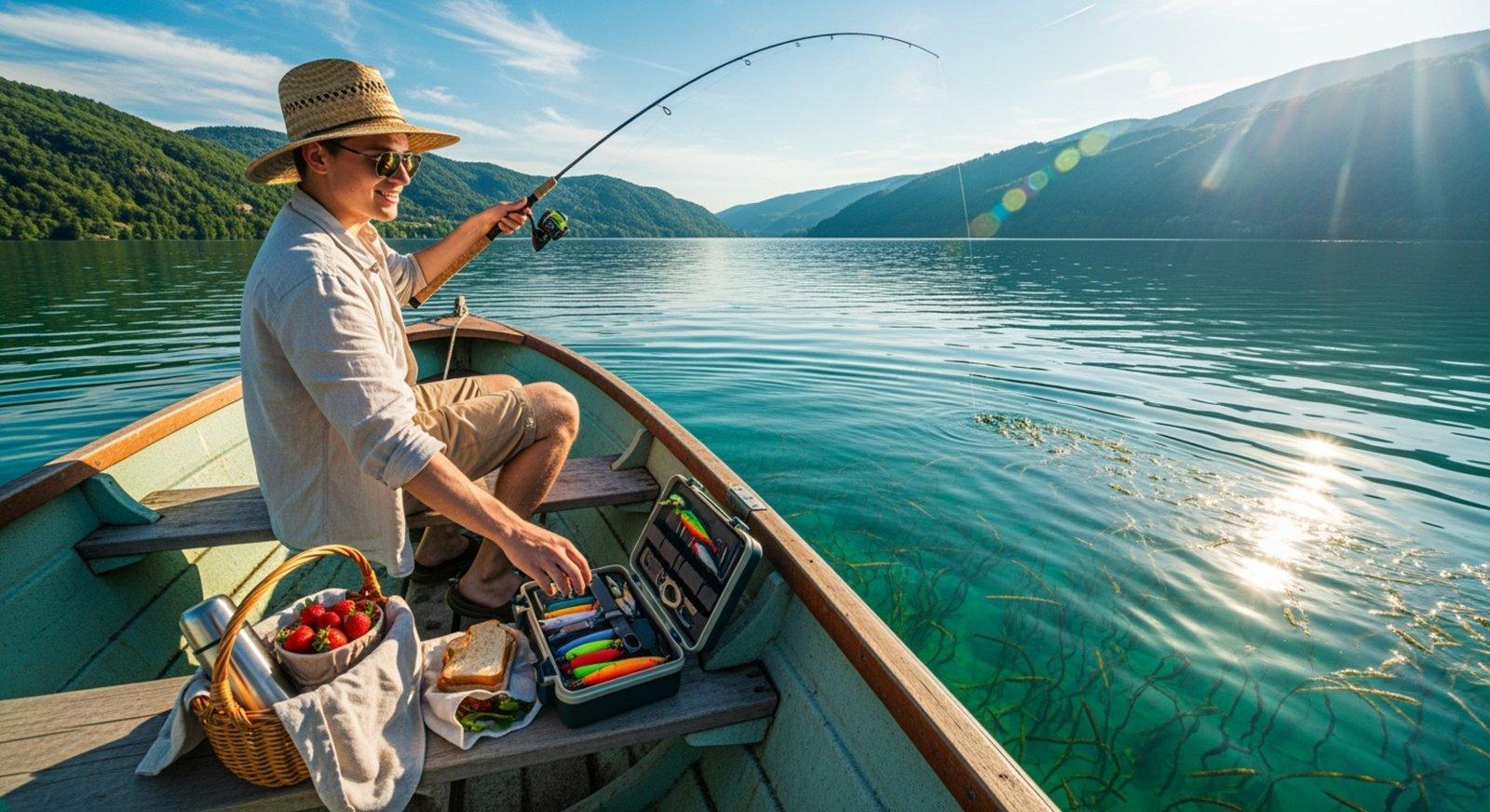
- Outdoor water activities (boating, fishing, water sports)
- Daytime driving
- Biking, hiking, golfing in bright sunshine
When Non-Polarized May Be Better
- If you look at screens (phones, GPS, car dashboards) outside often
- If you need to spot icy patches while skiing or snowboarding (glare can actually help you see danger)
- If you want lenses that dim light but don’t alter contrasts or colors as much
Who Should Avoid Polarized Sunglasses?
- Pilots or anyone reading important instrument panels
- Skiers or snowboarders who need to notice icy patches on runs
- Anyone who prefers a more natural (just dimmed) view
Things to Know for Driving and Sports
- Polarized sunglasses are great for daytime driving, but never use them at night (they make it harder to see).
- In some sports, like skiing, seeing actual glare can be helpful for safety-stick with non-polarized in these conditions.
Other Factors to Keep in Mind
Besides deciding on polarized vs. non-polarized lenses, you should also think about these:
Price
Polarized sunglasses usually cost more than non-polarized sunglasses due to the special filter. But, even affordable non-polarized sunglasses can offer full UV protection. Pick what works best for your budget and needs.
Lens Color and Style
- Gray lenses are good for low color change-they show true colors.
- Brown/amber lenses boost contrast, which is helpful for fishing or golfing but may slightly change how you see colors.
- Yellow lenses are for cloudy days or low-light settings, not bright sunlight.
- Mirrored lenses are about personal style and don’t affect UV or glare protection.
Prescription or Use with Digital Lenses
- Many brands make both polarized and non-polarized prescription sunglasses.
- If you use devices like phones or GPS a lot, test how the sunglasses work with those screens before buying.
- In some cases, it’s helpful to have both types for different situations.
Should You Choose Polarized or Non-Polarized Sunglasses?
In the end, the right sunglasses depend on your routines, where you spend time, and what you expect from your eyewear. Here’s a simple guide:
Quick Guide for Choosing
- Pick Polarized: If you spend lots of time outdoors, especially around water, snow, or driving during the day. They reduce glare, cut eye strain, and make things look sharper. They’re ideal for fishing, boating, hiking, and driving in bright sun.
- Pick Non-Polarized: If you need to see digital screens clearly outside, play winter sports where glare helps you see hazards, or want something more affordable for general use. They still give good UV protection and make everything less bright.
No matter what, always make sure your sunglasses protect against UV rays. By considering your activities and needs, you’ll pick sunglasses that keep your eyes comfortable, safe, and healthy.