Not Everyone in Their Twenties Is Leaving Rural Australia Anymore
For a long time, the expected path was simple. You grow up somewhere rural, you leave, you figure things out somewhere else. That narrative still exists, but it is no longer the only one.
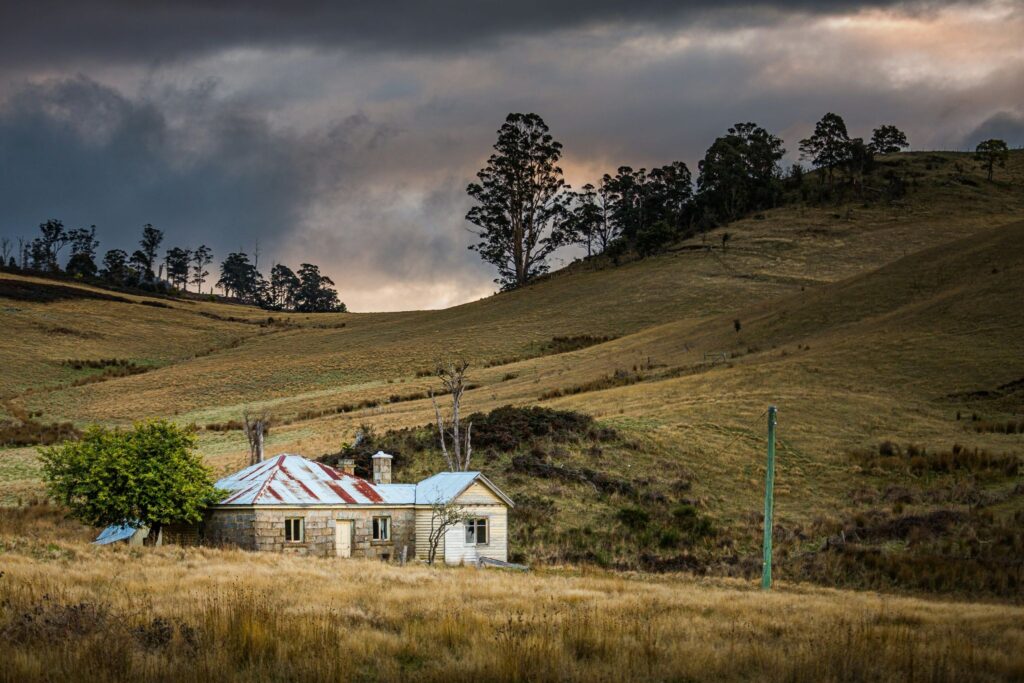
Across parts of Australia, something quieter is happening. People in their twenties are choosing to stay, or to come back earlier than expected. Not as a fallback, but as a deliberate decision shaped by how work, housing, and daily life actually function now.
This is not about rejecting cities entirely. It is about reconsidering what makes sense long term, especially when the conditions in rural areas have shifted.
The Cost and Structure of City Life Is Changing the Equation
One of the most practical reasons behind the shift is cost.
Major Australian cities have seen sustained increases in housing prices, both for renting and buying. That affects how quickly people can establish themselves independently. Delayed home ownership, shared living arrangements, and longer commutes have become common.
At the same time, wages have not always kept pace with those increases in a way that makes city life straightforward, especially early in a career.
This creates a comparison.
In rural areas, housing is often more accessible. Space is not constrained in the same way, and ownership becomes possible earlier. For someone in their twenties, that difference changes the timeline of what is achievable.
Getting a feel for those towns firsthand is straightforward with options like East Coast Car Rentals, which let you move between regional areas at your own pace without the commitment of owning a vehicle.
Remote Work Removed One of the Biggest Barriers
Work has also shifted.
Remote and hybrid roles have reduced the need to be physically present in a central office. That removes one of the main reasons people moved to cities in the first place.
Instead of choosing a location based on proximity to work, more people can choose based on cost, lifestyle, or long-term plans.
In practical terms, that means staying rural no longer limits opportunities in the same way it once did.
The Farm Setup That Suddenly Starts Making Sense
There is also something less obvious that starts to click once you look at it closely.
Rural life is not just about open space. It is about infrastructure that actually supports how people live and work day to day. This is where things get a bit more interesting.
When You Actually Look at What Is Already There
A typical rural property setup is not minimal.
There is usually a combination of land, storage, machinery, and access to resources that are directly tied to production. Agriculture remains a major part of the Australian economy, which means these setups are not outdated. They are actively used and continuously adapted.
Once you start looking at it from that angle, it stops feeling like a limitation. It starts to look like a system.
The Shed Is Not Just a Shed
This is where it shifts from abstract to practical. Sheds in a rural setting are rarely just storage. It becomes a workspace, a place to maintain equipment, sometimes even a base for small-scale operations or side projects.
When you have machinery, tools, and a structure that supports actual work, the whole environment changes.
It is not about escaping anything. It is about having the setup to do something with your time that produces a result you can see.
They are not an add-on. They are part of the core system.
Why That Feels Different in Your Twenties
In your twenties, there is often a focus on finding direction. In a rural setup, direction can be more visible.
There is work that needs to be done, equipment that needs to be maintained, land that requires attention. The feedback loop is immediate. You do something, and you see the outcome. That changes how time is structured.
It also changes how progress feels, because it is tied to tangible results rather than abstract milestones.
Agriculture Is Still a Major Part of the Picture
Australia’s economy continues to rely heavily on agriculture, with large areas of land dedicated to farming and production.
That creates ongoing demand for people who are willing to stay involved.
It Is Not Static Work
Modern agriculture is not what it used to be.
Technology plays a significant role, from machinery to data-driven processes. This creates opportunities that combine traditional work with newer skills.
For someone in their twenties, that combination can be more engaging than expected.
Entry Does Not Always Require Starting From Scratch
In many cases, there is already a structure in place.
Family properties, existing operations, or local networks provide a starting point. That reduces the barrier to entry compared to starting something entirely new in a city.
It also means that staying rural can be a continuation rather than a compromise.
Peace Is No Longer Seen as a Trade-Off
There is also a shift in how people think about pace.
For a long time, slower environments were associated with fewer opportunities. That assumption is changing.
Quiet Does Not Mean Limited
Rural areas offer fewer distractions, but that does not translate into fewer options.
With the right setup, it becomes easier to focus on work, projects, or building something over time. The absence of constant noise and movement can actually support productivity rather than reduce it.
The Value of Space Becomes Clear Over Time
Space is not just physical.
It affects how you organise your day, how you work, and how you recover. In cities, space is often something you work around. In rural areas, it becomes something you use.
That difference becomes more noticeable the longer you experience it.
Staying Is Becoming a Decision, Not a Default
What is changing is not just behavior, but perception.
Staying in a rural area used to be seen as a lack of movement. Now, it is increasingly seen as a choice with its own advantages.
It Aligns With Different Priorities
Not everyone is looking for the same outcome.
For some, the ability to build something tangible, manage their own time, and operate within a clear system is more valuable than access to a larger city. That does not mean one is better than the other.
It means the comparison is no longer one-sided.
Returning Earlier Is Also Part of the Trend
Even those who leave often return sooner.
Instead of spending years trying to establish themselves elsewhere, some are choosing to come back with a clearer idea of what they want to do.
That shortens the cycle.
What This Actually Means Going Forward
The shift is not dramatic, but it is consistent.
More people in their twenties are reassessing what rural life offers, especially when the infrastructure is already in place. It is not about idealising the countryside.
It is about recognising that the combination of space, resources, and changing work patterns creates a viable alternative to the city.
The Real Change Is in How It Is Viewed
What used to be seen as a limitation is now being reconsidered as a setup.
When you have land, equipment, and structures that support real work, the environment changes from passive to active. That is what makes the difference.
Not everyone is leaving rural Australia anymore, because staying is starting to make practical sense.