How to Buy Fewer Clothes That Lasts Longer
There’s a quiet shift happening in the way people think about shopping. Instead of chasing trends or filling closets with fast fashion finds, more consumers are starting to ask a simple question: Will this last? Buying fewer clothes that stand the test of time isn’t just about saving money it’s about creating a wardrobe that feels intentional, functional, and genuinely satisfying.
This mindset becomes especially relevant when investing in pieces like outdoor clothing, where durability, comfort, and performance matter just as much as style. But the principles of buying better apply across everything from everyday basics to occasional wear. It’s less about restriction and more about making thoughtful choices that actually work for your lifestyle.
Start With How You Actually Live
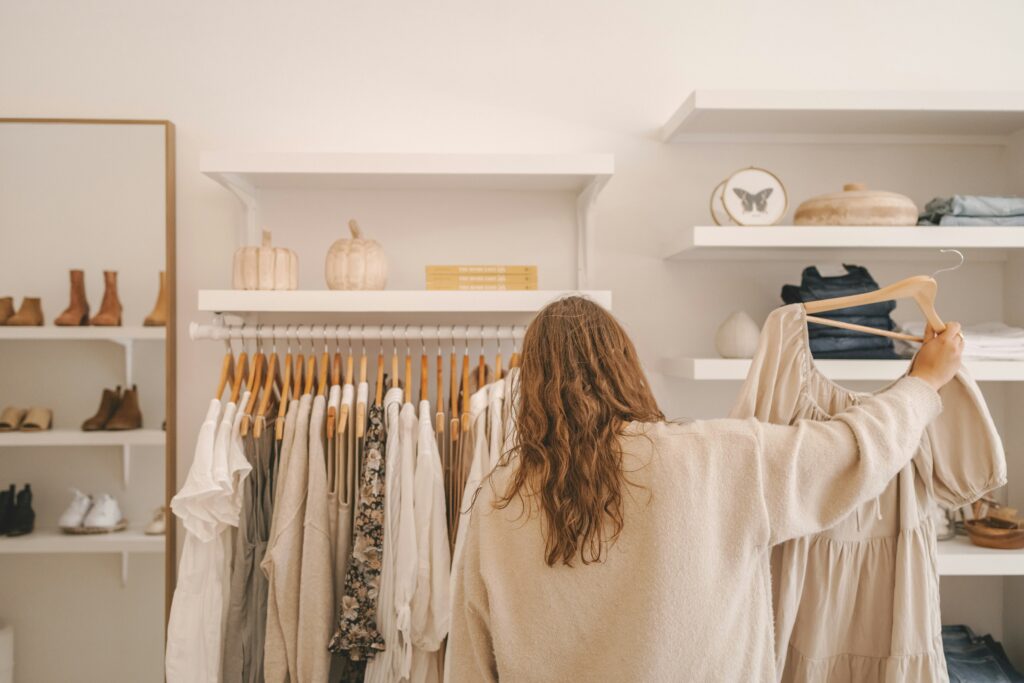
Before adding anything new to your wardrobe, it can help to take a step back and look at your daily routine. Clothes that last a long time are often those that are worn frequently and well-enough to maintain.
Instead of thinking about who you might become in the future, think about who you are in your current life. Do you spend most of your days working from home, working a commute, or working outside? Living in a wardrobe that reflects your real life is a great way to help cut out impulse purchases and increase use. When your clothes blend in with your real life, they’re far less likely to end up in the back of your closet.
Prioritize Quality Over Quantity
It may sound obvious, but quality can sometimes be surprisingly tricky to spot particularly when price is not a direct correlation to longevity. It is true that a higher price does not necessarily equate to a longer lifespan, although there are a few small factors to consider that can greatly affect longevity.
Be sure to look for good stitching, sturdy seams, and fabric that feels thick without being too flimsy. Natural fibers such as cotton, wool, and linen are generally more long-lasting, although synthetic fibers can be just as long-lasting for more demanding uses. It is worth noting that a garment may look great on a rack, but what really matters is how it is made.
Build a Wardrobe Around Versatility
The easiest way to minimize the amount of clothing you need to buy is to focus on items with multiple functions. The more versatile the items, the fewer you will need, and the easier it will be to get dressed.
For instance, a good quality jacket that can be worn during different seasons, or pants that can be worn for different occasions, can soon become the foundation of your wardrobe. The idea is, the more functions each item serves, the fewer you will need to buy, and the less you will need to worry about having something to wear for every occasion.
Pay Attention to Fit and Comfort
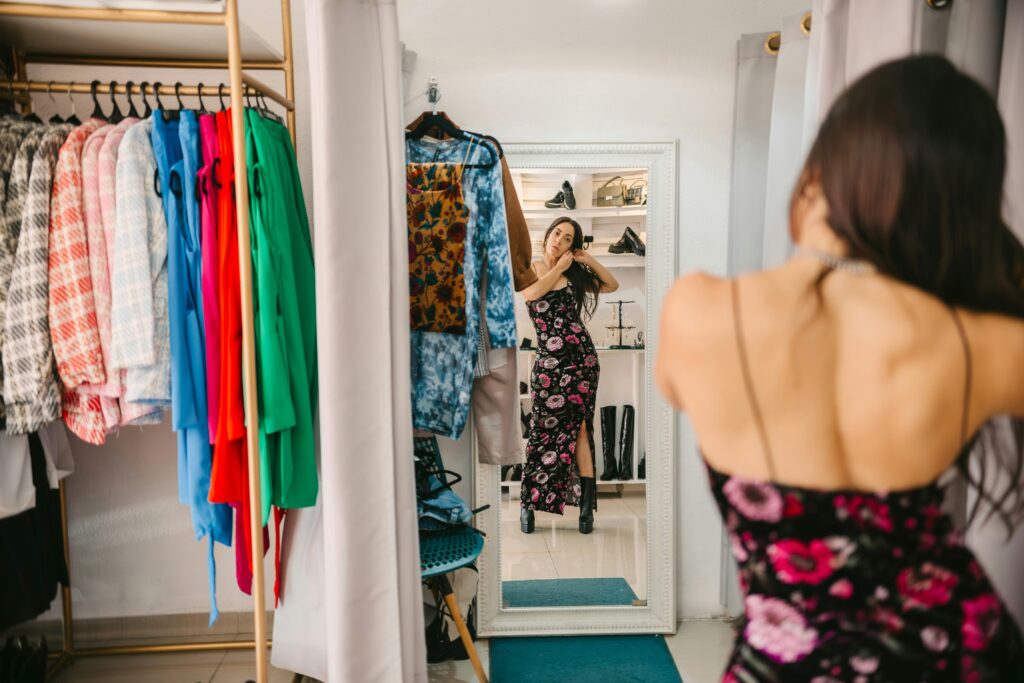
Clothes that do not feel right will never be worn, even if it looks great. And if it does not get worn, even if it looks great, it will not last.
Take the time to make sure the clothes fit comfortably right out of the box. Clothes that need to be altered or look a little off may never make it into regular rotation. Putting comfort first will make sure that every piece of clothing has earned its place in your wardrobe and gets the use it was worth.
Learn to Care for What You Own
Longevity doesn’t end when you leave the checkout line. The way you care for your clothing is a huge factor in how long they last. The best-made garments in the world are useless if you don’t know how to care for them.
Simple things like washing your clothing in cold water and drying it in the air, rather than a dryer, and storing your clothing properly are big contributors in how long your clothing lasts. It’s also a good idea to learn some basic repair techniques, like how to sew a loose button or fix a small tear in your clothing.
Resist the Pull of Trends
Trends can be a blast, but they can also come with a limited lifespan. If you’re buying into all of them, it can be more challenging to assemble a wardrobe that feels cohesive and long-lasting.
Try to focus on pieces that feel more in line with your personal sense of style rather than what is popular. This doesn’t mean that you shouldn’t be a part of a trend. It just means that you should be more selective. If a trend really speaks to you and fits in with what you’re already wearing, it will likely be more timeless.
Think in Terms of Cost Per Wear
Another way to think differently about cost is to consider the cost per wear. This changes the way you think about shopping completely. For example, a more expensive item that you will be able to wear many times may be a more cost-effective option than a cheaper item that you will be able to wear only once or twice.
The idea of cost per wear is a straightforward one. All you need to do is divide the cost of the item by the number of times you will be able to wear it. This will give you a sense of the cost per wear.
Take a Pause Before Buying
One of the main causes of overcrowded wardrobes is the tendency to make impulse purchases. Taking a pause before buying something can help you avoid this problem.
You can try to take a day or even a week to think about the item you want to buy. During this time, you can try to assess how this item can add to your wardrobe and if it is really needed. Sometimes, after taking this pause, you might find that your initial enthusiasm to buy the item has gone away.
Build Slowly and Intentionally
A lasting wardrobe does not come together quickly. It takes time, and the more you know about what works best for you, the better.
Rather than trying to replace your entire wardrobe at once, concentrate on upgrading your essential items. Every new item should be a move toward a wardrobe you love. It may take a while, but the result will be fewer, higher-quality, more personal items.
Buying fewer clothes that last longer isn’t about strict rules or limiting yourself it’s about making decisions that feel aligned with your lifestyle and values. When you choose quality, prioritize versatility, and care for what you own, your wardrobe becomes something you can rely on rather than constantly replace.
In the end, it’s not about having less it’s about having better.