How Convenience Has Reshaped Everyday Health Choices
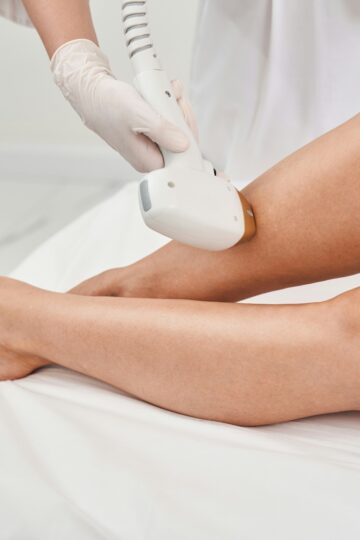
Not all that long ago, if you wanted to make a healthy choice about something, you had to do quite a bit of planning - you had to book appointments weeks (and sometimes months) ahead, for example, and you went to specific shops during their opening hours. On top of that, you relied massively on professionals to help you gather information and products. And all that meant that looking after your health sometimes (often) felt pretty inconvenient.
That’s all changed today, however, and today you’ll find that convenience plays a big role in how people think about everyday health. The easier something is to access, understand, and fit into daily life, the more likely people are to use it and stick with it, and with that in mind, keep reading to find out more about how convenience has reshaped everyday health choices.
Why Convenience Matters More Than Motivation
When you really think about it, motivation is totally unreliable. After all, some days you’ve got it, some days you don’t, which isn’t entirely helpful. But convenience, on the other hand, works away without you really having to think about it, making healthier choices much easier - that means you don’t have to have loads of willpower all the time, which can be utterly exhausting.
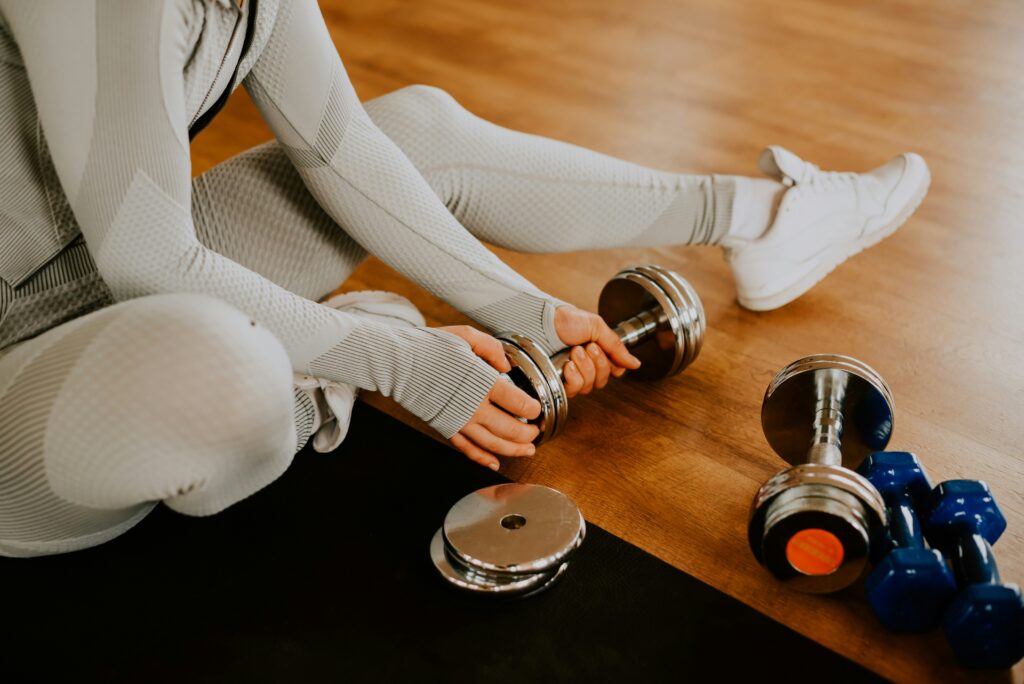
The change has made things different in all kinds of ways. For example, people are much more likely to go for a walk if the route is an easy and simple one they can remember, and they’re more likely to cook at home if ingredients are easy to get, and the recipes are nice and simple. You might worry that convenience is making people lazy, but that’s not it at all - what convenience does is make it possible to be more consistent, and that’s what really counts.
Access To Information Changed First
One of the biggest changes in all this came with access to information because people didn’t have to rely just on leaflets, professionals, or word of mouth anymore - they could research things, compare what they needed, and learn at a time and pace (and place) that suited them best.
And that’s had the knock-on effect of people being a lot more confident when it comes to making everyday health decisions because they understand what they’re choosing and why. It’s vital for people to have a sense of control because it removes barriers and helps people feel much more involved in their own wellbeing and how it works.
Everyday Health Became More Personal
As convenience increased, health choices started to become more individual, and instead of a one-size-fits-all advice, people started creating their own routines (or getting professionals to do it in some cases) that would match what they wanted, needed, their schedules, and their preferences.
This is especially the case when it comes to things that support general wellbeing, like nutrition, fitness, and so on. People are a lot more likely to commit to routines that fit into their daily lives without needing to make too many changes rather than forcing themselves into doing things that just aren’t realistic.
Shopping Habits Reflect The Changes
How people shop for health-related products has changed just as much, and convenience has meant that choices now don’t have to be in specialist places, and they’re in everyday life more and more. So instead of planning trips around specific shops, many people prefer the use the internet where they can buy testosterone online, or shop for any supplements they might need, for example.
This is obviously a lot quicker, but it’s also a way to get some more control over what you’re doing and buying, and you’ll have plenty more choice. When you buy online, you’ll be able to compare options, read details, and make informed choices, and there won’t be any pressure about it either.
Convenience Supports Long-Term Habits
The biggest benefit and impact of convenience is how it helps with your long-term habits. The fact is, no matter how good your choices are, they’re not going to last or work when they’re done in short bursts - they’re only really going to work when they can be repeated as many times as you want, as far into the future as you want.
Convenient options actually reduce the number of decisions people have to make each day, and when there are fewer decisions to make, that means fewer obstacles, and therefore fewer excuses not to do the right thing and take care of your health and wellbeing. And the easier something is, the more likely it’s going to become part of your routine rather than something you always need to be motivated to do (which usually means you don’t do it at all after a while).
The Rise Of Preventative Thinking
Another effect of convenience is a most towards more preventative thinking because when access to things you need and people you can talk to is easier, you’re more likely to do the small things in advance than waiting for something big to happen before you take action.
In other words, instead of reacting to problems, people actually focus on being able to keep their health well-balanced, and that’s a lot less stressful and a lot more sustainable than doing it the other way. Plus, it’s an interesting way to see how convenience has made everyday health maintenance lot easier.
Convenience Doesn’t Replace Responsibility
Of course, knowing all this, it’s important to know that convenience doesn’t mean you’re not still responsible for your health and the choices you make - just because you’ve got easy access, that shouldn’t - and doesn’t - mean you can make careless decisions because they are still going to be consequences to deal with if you do.
However, the good part is that you can make all your decisions without anyone pressuring you, and you’ll have a clearer head and more focus when you’re making them, which should mean you go down the right path more often than not. And of course, if you need any advice, just ask for it - everything’s there, conveniently.