From Side Hustle to Style Staple: The Beginner-Friendly Guide to DTF Transfers for Custom Apparel
Custom apparel used to feel like something reserved for big brands, craft pros, or people with a spare room full of equipment. But in the last few years, that’s changed fast. Thanks to DTF transfers, everyday creatives—from college students to first-time side hustlers—are designing and producing custom gear without the steep learning curve.
If you’ve ever thought about starting a merch side hustle, creating matching outfits for friends, or just personalizing your own wardrobe, DTF transfers might be the easiest entry point. Here’s a beginner-friendly breakdown of what they are, how they work, and why they’ve become a style staple for a generation that values flexibility and individuality.
What DTF Transfers Actually Are
DTF stands for “Direct to Film,” which describes the process rather than the final product. Instead of printing a design directly onto fabric, the design is printed onto a special film. That film is then transferred onto a surface using either heat or pressure, depending on the type of transfer.
The key advantage? You don’t need to cut vinyl, weed tiny details, or invest in bulky machinery to get professional-looking results. DTF transfers are already printed and ready to apply, which makes them perfect for beginners.
They also support full-color designs, fine details, gradients, and complex artwork—things that were once difficult or expensive to achieve on custom apparel.
Why DTF Transfers Fit Modern Side Hustles
Side hustles today aren’t just about extra cash. They’re about flexibility, creative control, and low risk. DTF transfers check all of those boxes.
You can order designs as you need them, apply them on demand, and avoid overstocking inventory. That means you can test ideas—like niche slogans, campus-specific designs, or trend-based graphics—without committing to bulk orders.
For twenty-somethings balancing work, school, and social lives, that kind of adaptability is everything. You can work on your own schedule, scale up slowly, and pivot when trends shift (which they always do).
Standard DTF vs. UV DTF: What’s the Difference?
Not all DTF transfers are the same, and understanding the difference is crucial before you start applying designs.
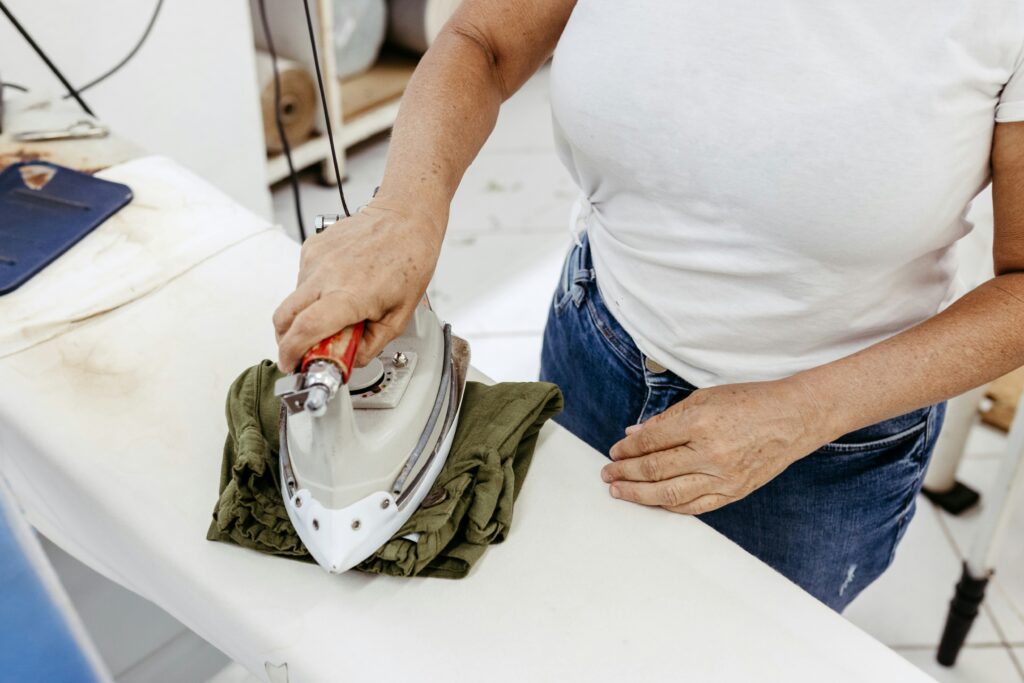
Standard DTF transfers are designed specifically for fabrics. These are what you’ll use for T-shirts, hoodies, tote bags, and other textile-based items. They come with an adhesive backing that acts like a sticker, but the adhesive is activated by heat. You’ll need either a heat press or a household iron to apply them properly.
UV DTF transfers, on the other hand, are much more versatile. They can be applied to items like hats, mugs, glasses, tumblers, phone cases, and other hard surfaces. Unlike standard DTF, UV DTF transfers don’t require heat at all. Instead, they adhere using pressure, making them accessible even if you don’t own any equipment.
This distinction matters because it determines what kind of products you can realistically offer—or customize for yourself.
How the Application Process Works
One of the biggest appeals of DTF transfers is how beginner-friendly they are.
For standard DTF transfers, the process typically looks like this:
- Place the transfer on your fabric with the design facing up.
- Apply heat using a heat press or iron for the recommended time.
- Allow it to cool or warm-peel depending on instructions.
- Peel the film away to reveal the design.
The heat activates the adhesive backing, bonding the design to the fabric fibers. When done correctly, the result is flexible, durable, and washable.
For UV DTF transfers, the steps are even simpler:
- Position the transfer on the surface.
- Apply firm, even pressure.
- Remove the carrier film.
Because no heat is involved, UV DTF is especially popular for quick customization projects or anyone working in small spaces.
Why DTF Transfers Look More “Store-Bought”
One reason DTF transfers have taken off is that they don’t scream “DIY.” The finish is smooth, vibrant, and modern—much closer to retail-quality merch than older iron-on methods.
Designs sit cleanly on the surface without heavy texture, cracking, or fading when applied correctly. This makes them ideal for minimalist aesthetics, bold typography, or detailed artwork—styles that resonate strongly with Gen Z and younger millennials.
Whether you’re making merch for a passion project or a personal statement tee, DTF transfers help the final product feel intentional rather than homemade.
Turning a Small Idea Into a Bigger Brand
Many creators start with DTF transfers just for fun—making shirts for a friend group, a birthday weekend, or a campus event. But it doesn’t take long before people start asking, “Can you make one for me?”
That’s often how side hustles begin. Because DTF transfers don’t require a massive upfront investment, it’s easier to say yes. You can accept small orders, customize designs, and grow at your own pace.
Some creators focus on apparel only, while others branch out using UV DTF transfers for drinkware, accessories, or promotional items. The flexibility lets you experiment without locking yourself into a single product category.
Sourcing Transfers Without Overcomplicating Things
When you’re starting out, simplicity matters. Ordering pre-printed transfers lets you focus on design, branding, and creativity instead of production logistics.
For example, some beginners choose to order their designs from suppliers like DTF Transfers Now to avoid the learning curve of printing themselves. This approach keeps startup costs lower and removes the pressure of managing specialized equipment early on.
One or two reliable sources can be enough to support a growing side hustle without overwhelming you.
Common Mistakes Beginners Should Avoid
Even though DTF transfers are beginner-friendly, there are a few pitfalls to watch out for.
Applying standard DTF transfers to non-fabric surfaces is a common mistake. They’re designed for textiles only, and skipping that rule usually leads to peeling or poor adhesion.
Another issue is rushing the application process—especially with heat. Too little heat can prevent the adhesive from activating properly, while uneven pressure can cause parts of the design to lift.
Taking the time to follow instructions and test on spare materials can save you from wasting transfers and frustrating results.
Why DTF Transfers Are Here to Stay
Trends come and go, but tools that empower creativity tend to stick around. DTF transfers hit a sweet spot between accessibility and quality, which is why they’ve moved from niche crafting circles into mainstream custom apparel.
They allow individuals to create clothing and merchandise that reflects their identity, community, or sense of humor—without gatekeeping or massive overhead.
For a generation that values authenticity and self-expression, that’s a powerful combination.
Final Thoughts
Whether you’re dreaming of launching a side hustle or just want better control over your personal style, DTF transfers offer an easy, modern entry point into custom apparel. With minimal equipment, flexible options, and professional-looking results, they’ve earned their place as both a creative tool and a style staple.
Sometimes, all it takes is one design idea—and the right transfer—to turn a small experiment into something bigger.