
Exploring Professional Paths in Fitness and Training
The fitness and training industry has evolved far beyond gyms and workout routines. Today, it encompasses a wide spectrum of careers dedicated to improving health, performance, and well-being. Professionals in this field play an important role in guiding individuals toward their physical goals while promoting sustainable lifestyle habits.
Whether you’re drawn to personal training, sports performance, rehabilitation, or wellness coaching, the opportunities within fitness continue to grow as society becomes more health-conscious. Choosing the right professional path requires a blend of education, passion, and practical experience, each contributing to a rewarding and dynamic career.

Building a Foundation Through Education and Certification
A successful fitness career begins with knowledge. Understanding anatomy, physiology, and biomechanics creates the foundation for safe and effective training. Aspiring professionals often start by pursuing certifications or degree programs in exercise science, kinesiology, or health and wellness.
These credentials validate expertise and ensure credibility in an industry where clients depend on accurate information and guidance. Those looking to expand their expertise can explore educational resources such as Brookbush Institute, which offers evidence-based learning for fitness professionals. Institutions like these provide structured coursework in areas such as corrective exercise, performance optimization, and human movement science.
Specialized education empowers trainers to tailor programs for individual needs, whether working with athletes recovering from injury or clients seeking long-term fitness improvements.
Beyond formal education, continuing professional development is key. The fitness landscape constantly evolves with new research and technologies. Staying updated through workshops, seminars, and certifications ensures that trainers remain competitive and capable of delivering the highest standard of care.
Personal Training
Personal training remains one of the most recognizable and fulfilling careers in fitness. Trainers work closely with clients to assess goals, design customized programs, and monitor progress. The role demands both technical expertise and strong interpersonal skills. Successful trainers understand motivation, communication, and empathy as much as they understand form and technique.
Working in this space offers flexibility; trainers can operate independently, join established gyms, or provide virtual coaching services. Online platforms have made it easier than ever to reach clients globally, blending technology with human connection. To thrive, personal trainers must balance scientific understanding with creativity, adapting programs to suit diverse fitness levels and preferences.
Strength and Conditioning
Strength and conditioning coaches focus on improving performance and reducing injury risk for athletes across all levels. These professionals apply principles of sports science to design programs that develop strength, speed, endurance, and agility. They often work with teams, sports organizations, or academic institutions, collaborating with physical therapists and medical staff to ensure holistic athlete care.
In this field, data-driven decision-making is becoming increasingly important. Performance tracking technology, such as motion analysis systems and wearable devices, helps coaches monitor progress and adjust training variables. Understanding these tools allows professionals to refine methods and achieve measurable improvements.
Corrective Exercise and Rehabilitation Support
Injury prevention and post-rehabilitation training represent a growing area within the fitness industry. Corrective exercise specialists identify movement dysfunctions and design programs to restore balance, mobility, and strength. Their work bridges the gap between physical therapy and traditional training, ensuring clients transition safely from recovery to performance.
These specialists must possess an in-depth understanding of muscular imbalances, joint mechanics, and neuromuscular control. Collaborating with healthcare professionals such as chiropractors, physical therapists, and orthopedic specialists enhances the effectiveness of their approach.
Group Fitness and Community Coaching
For those who thrive on energy and connection, group fitness instruction offers an exciting and rewarding career path. Instructors lead sessions ranging from high-intensity interval training (HIIT) to yoga and dance-based workouts. The role combines performance, leadership, and education, requiring the ability to engage participants and maintain a motivating environment.
Group fitness professionals play a key role in community wellness. They often serve as the first point of contact for people beginning their fitness journey. By fostering inclusion and encouragement, they help individuals build confidence while improving physical health.
Wellness Coaching and Lifestyle Integration
The modern approach to fitness extends beyond physical training; it includes mental and emotional well-being. Wellness coaches guide clients through holistic strategies that integrate exercise, nutrition, stress management, and habit formation. They help individuals identify barriers to success and create sustainable routines that enhance quality of life.
Unlike traditional trainers, wellness coaches often focus on mindset and behavior change. They use motivational interviewing and goal-setting techniques to empower clients toward self-improvement. With rising demand for personalized health solutions, wellness coaching is gaining recognition in corporate settings, healthcare systems, and private practice.
Entrepreneurship and Online Opportunities
Entrepreneurship in fitness has surged with the expansion of digital platforms. Trainers and educators can now build personal brands, launch online courses, or develop virtual training communities. Digital fitness businesses allow for flexibility, scalability, and creative expression, qualities that appeal to professionals seeking independence.
Running a successful business requires more than passion. Understanding marketing, client management, and technology integration is crucial. Establishing a niche, such as specialized training programs or educational content, helps build authority and attract a loyal audience.
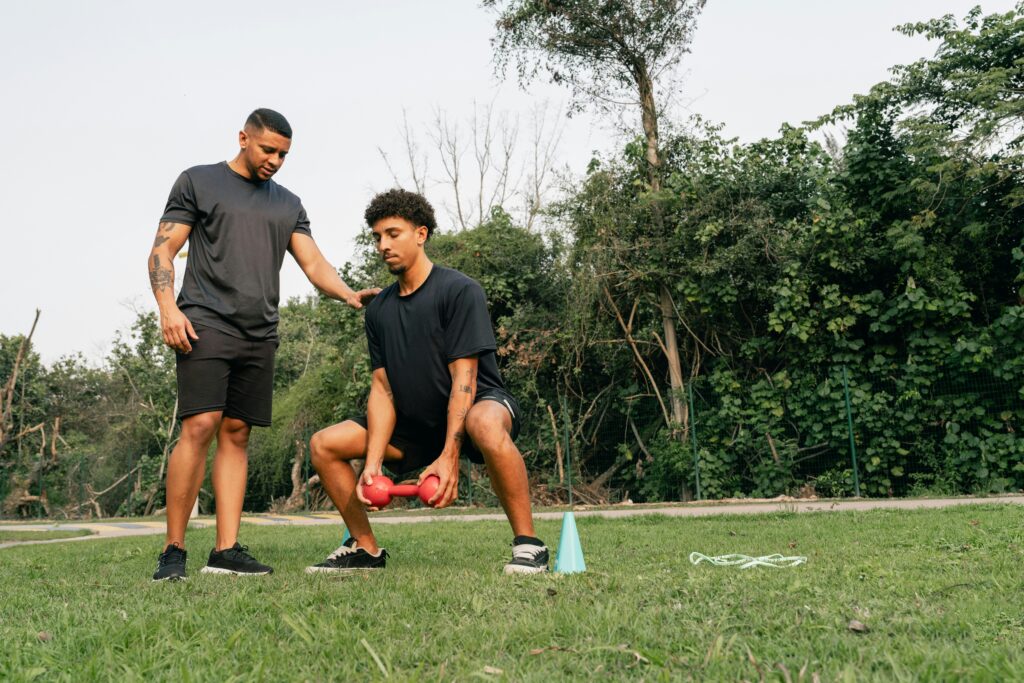
The fitness industry thrives on connection, and every role, whether coaching one-on-one or leading a team, contributes to a greater purpose: helping people live healthier, more empowered lives. With dedication, curiosity, and compassion, every professional has the potential to inspire lasting change both inside and outside the gym.
About the Author

Anna is a twenty-something living in the south. She's passionate about family, crafting, and continuing her education beyond her college degree.