Everyday Energy: Finding Joy in the Small Things That Keep You Grounded
Wellness isn’t just green smoothies and early-morning yoga sessions. It’s how you treat yourself in the little moments—the in-between spaces of your day that either fill your cup or drain it. For many of us in our twenties and thirties, finding balance means learning how to enjoy life while taking care of ourselves.
It’s realizing that true wellness isn’t a trend or a challenge; it’s a lifestyle built on awareness, joy, and presence. You don’t have to overhaul your entire routine to feel more energized or aligned. You just need to start paying attention to what actually makes you feel good.
1. The New Meaning of “Healthy”
For a long time, “healthy” was treated like a strict checklist: drink more water, eat your greens, exercise every day. But we now know that how you do things matters just as much as what you do.
Healthy doesn’t mean rigid—it means intentional. It’s choosing movement that feels good instead of punishing. It’s eating meals that fuel you but also bring you joy. It’s finding comfort in balance instead of guilt.
When you stop chasing perfection and start prioritizing connection—to your body, to your mood, and to your daily rhythms—wellness begins to feel like second nature.
2. Pleasure Is a Wellness Practice
Let’s talk about pleasure—the simple kind that comes from slowing down and allowing yourself to enjoy something fully.
Pleasure often gets left out of the wellness conversation, but it’s one of the most powerful tools we have for regulating our nervous systems. When you give yourself permission to enjoy your food, your morning coffee, or your favorite song without distraction or guilt, you’re reminding your body that you’re safe.
Try this: instead of multitasking through lunch or scrolling while you sip your drink, pause. Notice the taste, the scent, the texture. Small acts of mindfulness can lower stress hormones and increase serotonin—the feel-good chemical that naturally boosts mood.
Sometimes the healthiest choice is to savor something simple.
3. Building Routines That Actually Work for You
One of the most common reasons people fall off their wellness goals is that their routines feel impossible to maintain. If your self-care plan requires you to wake up at 4 a.m. or give up everything you enjoy, it’s not sustainable.
Start small and realistic.
- Move daily—but intuitively. Some days that’s a long walk. Other days it’s stretching, dancing, or a few yoga poses between meetings.
- Hydrate with purpose. Keep a water bottle nearby and treat hydration as a mini reset, not a chore.
- Add balance to your plate. Meals that combine protein, fiber, and flavor keep energy levels steady and help you avoid burnout.
- Protect your peace. Take breaks from your phone, your inbox, or even people who drain your energy.
A routine that feels supportive—not restrictive—is one you’ll actually keep.
4. The Power of Rituals
Rituals transform ordinary tasks into moments of calm. They help create structure and predictability, which is incredibly soothing for your mind.
For instance, your morning coffee can become a grounding ritual if you make it slowly and mindfully. A nightly skincare routine can be an act of self-love if you treat it as time to unwind. Even lighting a candle while you write in your journal can signal to your brain that it’s time to relax.
You don’t need an expensive wellness setup to create rituals—just intention. When you repeat small, comforting actions regularly, they anchor your day in peace.
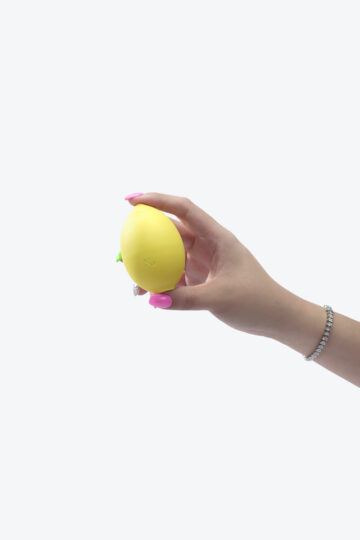
Adding something like cookies drip banger to your daily ritual as well can be a tool to enhance your wellness practices. Just like the product, each product is clearly labeled for not only practicality but beauty as well.
5. Nourishing Your Mind and Body Connection
It’s impossible to separate mental wellness from physical wellness—they’re always in conversation. When your mind feels scattered, your body often shows it through tension, fatigue, or low motivation. Likewise, when your body is nourished and cared for, your mind feels clearer and calmer.
To support this connection:
- Breathe deeply. Slow breathing activates the parasympathetic nervous system, lowering stress levels.
- Eat mindfully. Focus on foods that energize you and reduce those that leave you sluggish.
- Sleep like it matters. Rest is your body’s best recovery tool. Protect it fiercely.
- Unplug regularly. Reducing screen time—especially before bed—helps reset your brain’s natural rhythm.
Wellness starts to flow when your body and mind work together instead of competing for attention.
6. From Hustle to Harmony
If there’s one thing adulthood has taught many of us, it’s that hustle culture doesn’t equal happiness. Constant productivity without purpose only leads to burnout.
Harmony, not hustle, should be the goal. That means giving yourself space to rest and recharge without guilt. It’s allowing for both ambition and softness—work that inspires you and moments that restore you.
Wellness isn’t a prize you win for being disciplined; it’s a relationship you nurture every day. Some days you’ll get it right, other days you won’t—and that’s okay. What matters most is consistency, not perfection.
7. Making Wellness Personal
The best part about building a wellness routine is that it’s entirely your own. There’s no single right way to feel good—just the version that works best for you.
Start noticing patterns. What lifts your energy? What drains it? What moments make you feel grounded? The more you observe, the easier it becomes to make aligned choices.
Maybe your wellness looks like journaling, cooking new recipes, or reading in silence. Maybe it’s long hikes, therapy sessions, or quiet mornings with your pet. Whatever it looks like, give yourself permission to define it—and to let it evolve over time.
Final Thoughts: Joy as a Wellness Strategy
At its core, wellness is about coming home to yourself. It’s not about rules or rigid routines; it’s about learning to listen.
When you start treating joy, rest, and pleasure as forms of health—not indulgence—you’ll notice your energy shift. You’ll stop chasing balance and start living it.
So take the walk. Drink the water. Eat the cookie. Stretch. Rest. Laugh. Repeat.
That’s what real, sustainable wellness looks like—one small, joyful moment at a time.