
Environmental Benefits of Smart Construction Choices
The way we build is changing, and that is good news for the planet. Architects, developers, and owners now have practical options that shrink both upfront and long-term emissions.
Smarter material picks, better design, and tighter operations work together to cut impact without sacrificing strength or cost control.
Why Smart Choices Matter
Every project sets a carbon path on day one. Choosing lower-carbon assemblies and weaving in sustainable timber where it fits the brief can reduce emissions before the building opens. From there, smart operations keep the savings rolling year after year and build resilience into the asset.
Early material decisions influence embodied carbon and long-term maintenance and retrofit potential.
Designs that prioritize efficiency upfront avoid costly changes later when standards tighten, or energy prices rise. Thoughtful specification can improve indoor comfort and durability, extending the useful life of the structure.
Rethinking Materials
Wood is more than a niche choice. A recent analysis from the Yale School of the Environment noted that swapping a significant share of new urban buildings to mass timber like CLT could avoid vast amounts of CO₂ by storing carbon and displacing high-carbon materials.
That level of substitution would encourage better forest management and supply chains that reward responsible harvesting.
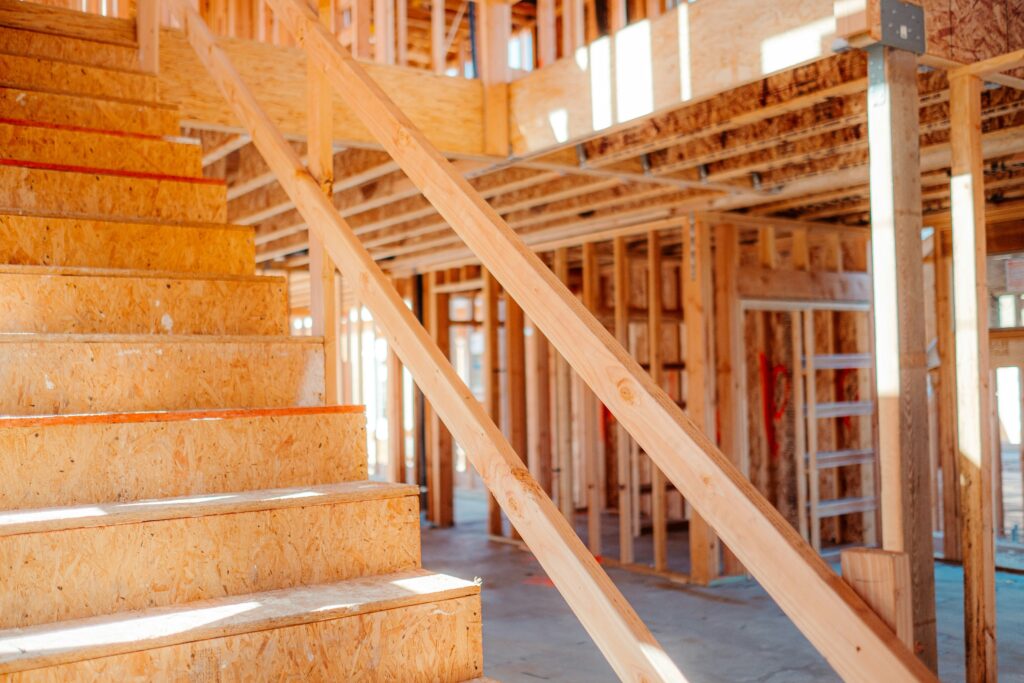
Mass timber performs well for mid-rise offices, schools, and multifamily. It installs quickly, is light on foundations, and supports biophilic design that people enjoy.
Peer-reviewed work in PLOS ONE has linked timber substitution with sizable annual emissions benefits when it replaces conventional steel and concrete systems at scale.
Cutting The Carbon In Concrete
Concrete will remain important, but its footprint can drop fast with targeted changes. A technical review from the National Renewable Energy Laboratory highlights that cement is a major global emitter, with roughly half of concrete’s emissions tied to calcination in clinker production.
Blended binders and performance-based specs make it possible to cut cement content as you meet strength and durability needs.
Supplementary cementitious materials like slag, fly ash, and calcined clays can replace a meaningful share of clinker with proven results. Mix optimization, right-sizing strength classes, and avoiding overdesign further trim emissions without affecting performance.
Producers are scaling carbon-cured and carbon-mineralized concretes that lock CO₂ into the matrix. Early collaboration between engineers, contractors, and suppliers is key to approving lower-carbon mixes before procurement locks in defaults.
Smarter Mixes And Specs
Research published by Springer indicates that low-carbon concrete mixes can trim emissions by about one-third to one-half relative to conventional recipes.
The practical moves include adding supplementary cementitious materials, optimizing aggregate gradation, and using admixtures to achieve performance without excess cement.
Designing For Circularity
Materials are not single-use by default.
A report on the built environment from McKinsey suggests that circular strategies like design-for-disassembly, reuse marketplaces, and modular elements could eliminate a meaningful share of embodied emissions this decade, with even larger gains by mid-century.
Circular design reduces waste hauling and keeps more value locked in components.
Practical Circular Moves
- Standardize floor-to-floor heights and structural grids to allow reuse later
- Favor mechanical fasteners where possible to simplify deconstruction
- Tag key materials digitally to track quantities and reuse potential
- Arrange take-back agreements for ceilings, carpet, and facade units
Wood Cities And Urban Potential
Cities adopting timber at scale are already testing what the next wave can look like. Reporting from TIME has profiled a major European district where stacked wood neighborhoods cut local construction emissions, speed assembly, and add warmth to streets.
These projects show that climate-smart building can be mainstream, not a niche experiment.
How To Start Making Better Choices
Teams do not need a perfect plan to deliver real reductions. Modeling summarized in ScienceDirect shows that applying available solutions across design, materials, and logistics can yield nearly half cuts in upfront carbon compared with business-as-usual.
Start with a clear baseline, set intensity targets per square meter, and lock low-carbon decisions early so they survive value engineering.
Prioritize measures with the biggest impact first, such as structural systems, concrete mixes, and material quantities. Assign ownership so each decision has a clear champion accountable for the outcome.
Engage suppliers early to confirm availability and cost implications before designs are finalized. Track decisions against the baseline throughout the project to prevent quiet backsliding.
Small, disciplined choices made early compound into meaningful reductions by the time construction begins.
A Simple Roadmap
Begin with the structure, since it drives most embodied carbon. Use timber where structurally and economically sound, dial down cement in concrete, and right-size steel with efficient framing.
Pair those choices with circular planning and smart procurement, and your building will carry a lighter footprint from day one.
A building that treads lightly is not just possible, it is practical. With proven materials and methods available now, the fastest path is to pick a few high-impact moves and apply them consistently.
Each smart choice compounds across the project, and across the city, until better building becomes the norm.