Driving Prepared: What to Know Before You Get Behind the Wheel
Driving is something many of us do every day, but being truly prepared means more than just knowing how to operate a car. If you set clear goals for your driving safety, it can really change how you handle both your daily commute and unexpected situations on the road.
It’s about adopting a proactive mindset, so you’re ready for anything before you even start the engine. Part of this readiness includes having an emergency kit packed with key items, so you’re set for whatever challenges come your way.
Understanding Safe Driving Principles
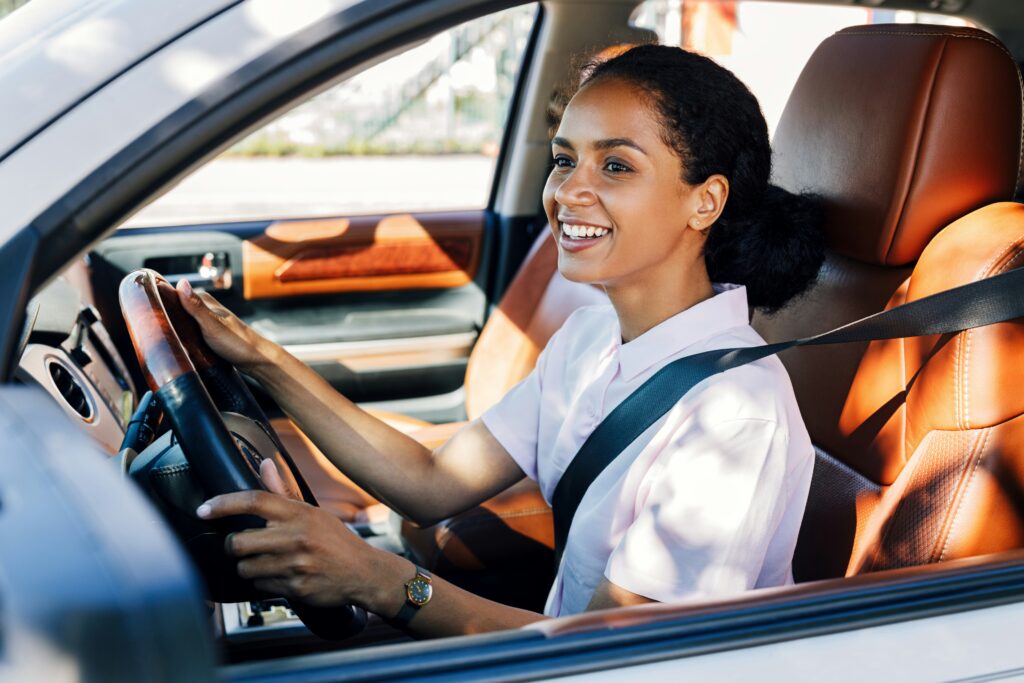
Being prepared starts with being a safe, focused driver. This means committing to habits that lower your risk every time you get behind the wheel.
One of the best things you can do is practice defensive driving. That means you’re always trying to guess what might happen and what other drivers might do, instead of just reacting. Keep plenty of space between your car and the one ahead, check your mirrors constantly, and pay attention to everything around you, including people walking or riding bikes.
Another important habit is eliminating distractions. This means your phone should be put away and out of reach. Set your GPS and music before you start driving, and avoid eating or having intense conversations while you’re moving.
When you make focused driving a strict habit, you’ll be much better at responding to sudden changes on the road.
Building an Emergency Kit
You never know when you'll get a flat tire, a dead battery, or hit bad weather, but you can get ready for it. Putting together a good emergency kit is a practical step that will provide real help when you need it most. Keep it in your trunk so it’s always there.
Your kit should have:
- Jumper cables
- A first-aid kit
- A flashlight with extra batteries
- Basic tools like a wrench and screwdrivers
- A tire pressure gauge and a portable air compressor
- Reflective triangles or flares
- Non-perishable snacks and water
- A blanket, gloves, and a hat for cold weather
A detailed car emergency kit checklist can help you gather these items in an organized way. Make sure to check your kit twice a year to replace anything that has expired and confirm everything still works.
Know Your Insurance Coverage
Being financially prepared is just as important as being ready for emergencies on the road. Before something goes wrong, take the time to really understand your car insurance policy. Do you know your deductible? Are you clear on what your liability, collision, and comprehensive coverages actually cover? Knowing these details will help you avoid surprises and manage the money side of an accident or car damage.
Review your policy once a year and consider whether your coverage still meets your needs. For example, if you’ve paid off your car, you might want to change your coverage levels. It’s also smart to have your insurance company’s contact info and policy number saved on your phone and written down in your glove compartment so you can easily access them.
Being Prepared for the Unexpected
Even if you prepare perfectly, accidents can still happen. Knowing what to do right after a crash is a key part of your plan. First, make sure everyone is safe, and if you can, move to a safe spot away from traffic. Exchange contact and insurance details with the other person, take pictures of the scene and any damage to the cars, and file a police report.
Depending on what happened and where you are, you might need specialized support. In communities where multiple languages are spoken, having access to professionals who can communicate clearly can be an important part of your plan, whether that means working with insurance representatives, roadside assistance providers, or abogados de accidente de automóvil. Figuring out these resources beforehand reduces stress in an already tough situation.
Taking Proactive Steps
Being prepared isn’t a one-time thing; it’s an ongoing effort. Make vehicle maintenance a regular part of your routine. Follow your car’s recommended service schedule for oil changes, tire rotations, and brake checks. Regularly check your tire pressure, fluid levels, and lights yourself. A well-maintained car is much less likely to break down and leave you stranded.
If you drive off pavement often, maintenance also means keeping an eye on the parts that take the extra strain, like suspension components and clearance under the vehicle. Owners who add a Land Cruiser lift kit usually do it to fit larger tires and gain ground clearance for rougher trails and the swap changes how the truck sits and rides day to day. That means checking the alignment and inspecting the new hardware after the first few hundred miles once everything settles in.
Think about taking a defensive driving course to sharpen your skills or signing up for a basic car care class. These proactive steps give you knowledge and confidence, helping you handle unexpected situations more effectively.
Ultimately, being ready for driving means taking charge of what you can control. By setting these goals, you’re not just getting ready for the worst-case scenario; you’re investing in safer, more confident driving every single day.