Deinfluencing: What I Don’t Buy Anymore in My 20s
Let’s be honest—our twenties come with a lot of pressure to have it all together and make it look good on Instagram. The curated skincare routines, the hyper-aesthetic apartments, the color-coordinated closets full of trendy pieces we wore once (maybe). We’ve all been there. The questions to figure out what we don't need to buy anymore are the furthest thing from our minds.
But lately, there’s been a shift.
Enter: deinfluencing—the internet’s quiet rebellion against overconsumption. It’s not about never buying things. It’s about being intentional with what we spend our money, time, and energy on. It comes down to realizing that chasing the “everything aesthetic” is exhausting—and often unnecessary.
In my twenties, I’ve started asking myself more questions before I buy. These kind of questions really help me narrow down what I don't buy anymore. Do I really need this? Or did I just see it in a TikTok haul? Is it improving my life—or just adding to the clutter?
Here’s a peek at what I’ve stopped buying (and why), plus how I shop now with more clarity and intention.
What I’ve Ditched (And Don’t Miss)
1. Fast Fashion
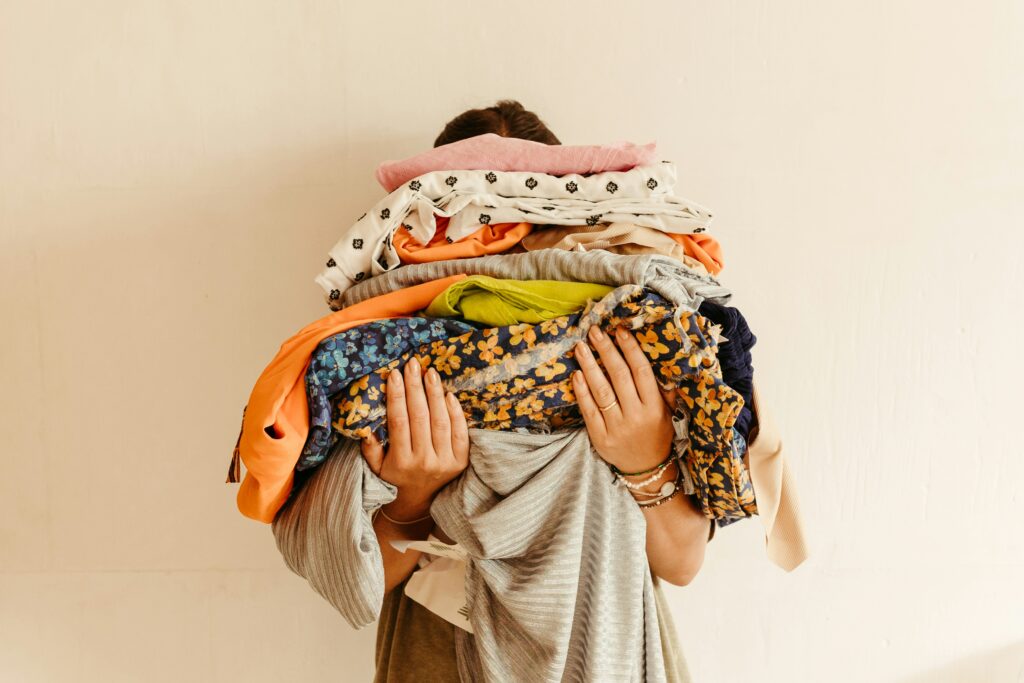
I used to be a sucker for $5 tops and “must-have” Zara dupes. Fast fashion made it easy to stay on trend—but at what cost? Most pieces would fall apart after a few washes, and my closet was constantly overflowing with clothes I didn’t even like that much.
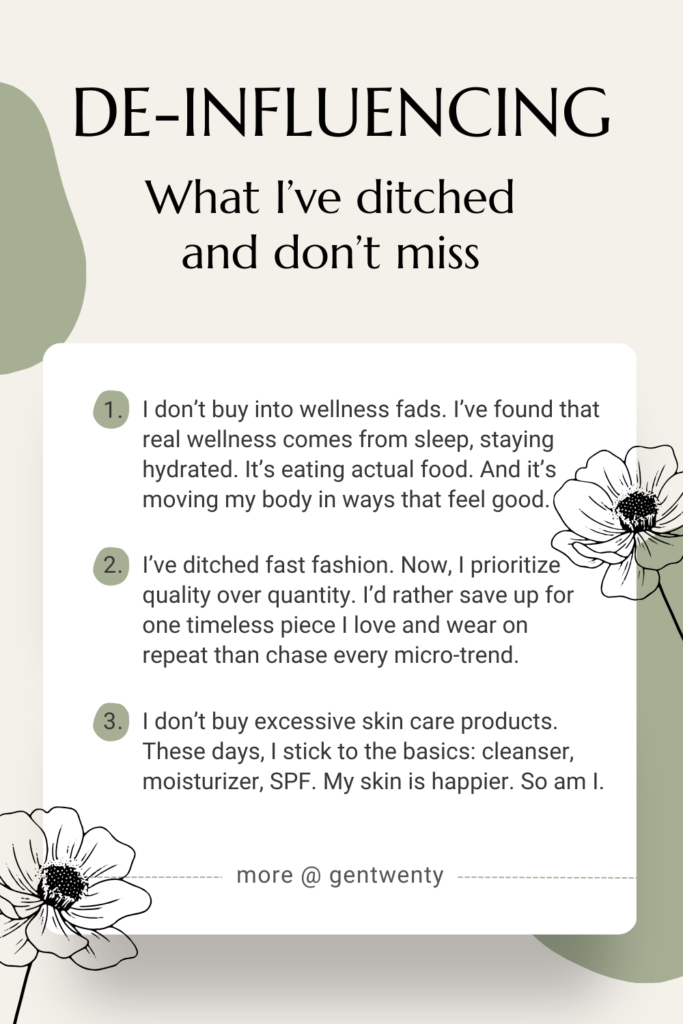
Now, I prioritize quality over quantity. I’d rather save up for one timeless piece I love and wear on repeat than chase every micro-trend. Plus, learning about the environmental and ethical issues behind fast fashion made the switch feel necessary.
2. I Don't Buy Excessive Skincare Steps Anymore
Remember when 10-step skincare routines were the gold standard? I do. I had a shelf full of toners, essences, serums, oils, and face masks—all promising to fix skin that wasn’t even “broken.”
But more isn’t always better. My skin was overwhelmed, my wallet hurt, and half the products did... basically nothing.
These days, I stick to the basics: cleanser, moisturizer, SPF, and maybe a treatment if I actually need it. My skin is happier. So am I.
3. Aesthetic but Impractical Items
There was a phase where I bought stuff just because it looked cute on TikTok or matched my vibe. Think pastel kitchen tools I never used, “trendy” coffee table books I didn’t read, and clothes that looked good on the hanger but weren’t comfortable to wear.
Now, I ask: will I actually use this regularly? Does it work for my real life—not just my idealized Pinterest board? If it’s only cute for the 'gram, it’s not worth it.
4. Wellness Fads That Didn’t Work Are Something I Don't Buy Anymore
I love wellness. I really do. But the wellness industry also thrives on selling “miracle” products with vague benefits and big promises—like chlorophyll drops or beauty gummies that never did anything for my skin.
What I’ve realized: real wellness doesn’t come from chasing fads. It’s sleep. Staying hydrated. It’s eating actual food. It’s moving my body in ways that feel good. I still love a matcha latte and a cute supplement jar—but only if it genuinely supports how I want to feel.
How I Decide What’s Worth It Now and What I Don't Buy Anymore
I’m not anti-buying. I’m just... more thoughtful. Here’s what I ask myself before making a purchase now:
- Do I already have something similar?
- Will I still want this in six months?
- Is this solving a problem—or creating a new one?
- Does this align with my values or just my feed?
It’s not about depriving myself. It’s about buying things that add value to my life—not just take up space.
Mindful Shopping Tips That Help Me Stay Grounded
Want to start deinfluencing your own habits? Here are a few simple things that help me buy less and feel better about what I do buy:
1. Make a 30-Day Wishlist
Instead of impulse buying, I keep a running list of things I want. If I still want it after 30 days (and it fits my budget), I’ll consider buying. Most things don’t make it past two weeks.
2. Unfollow Trigger Accounts So I Don't Buy Anymore Unneeded Things
If a creator or brand constantly makes you feel like you’re missing out, it’s okay to mute or unfollow. Curate your feed to support your goals, not sabotage them.
3. Set Monthly Intentions, Not Just Budgets
Instead of a hard “no spend” rule, I set themes—like “no new clothes this month” or “focus on home cooking.” It keeps spending purposeful, not reactive.
4. Invest in What You Use Daily
My best purchases? Things I use constantly—like a good water bottle, a comfy pair of shoes, or a lamp that makes my space cozy. These bring actual value and joy.
Conclusion: Buying Less = Living More Intentionally
Deinfluencing isn’t about never shopping again or living a minimalist life in the woods (unless that’s your vibe—go off). It’s about choosing you over hype. It’s about slowing down, asking better questions, and remembering that you don’t need more stuff to live a full, beautiful life.
When you stop buying things you don’t need, you make space—for clarity, creativity, calm. For meals you cook slowly, books you actually read, mornings where you’re not rushing to get ready with 12 serums.
In our 20s, we’re building more than just a wardrobe or a home—we’re building habits, values, and mindsets that shape the rest of our lives. And when we choose to buy less, we gain so much more.
About the Author

Nicole Booz is the founder and Editor-in-Chief of GenTwenty, GenThirty, and The Capsule Collab. She has a Bachelor of Science in Psychology and is the author of The Kidult Handbook (Simon & Schuster May 2018). She currently lives in Pennsylvania with her husband and three sons. When she’s not reading or writing, she’s probably hiking, eating brunch, or planning her next great adventure.
Website: genthirty.com