
Daily Eating Habits for Better Emotional Wellbeing
Your emotional well-being isn’t just shaped by what’s happening in your life—it’s also influenced by what’s on your plate. While food won’t solve everything, the way you nourish your body can have a real impact on your energy, focus, and mood.
At the same time, healthy eating doesn’t mean being perfect. In your twenties and thirties especially, life is busy, unpredictable, and full of moments worth celebrating. The goal isn’t to eliminate every “unhealthy” food, but to create habits that support you most of the time—while still leaving room for flexibility and enjoyment.
If you’re looking to feel more balanced, energized, and emotionally steady, here are a few realistic nutrition habits that can make a difference.
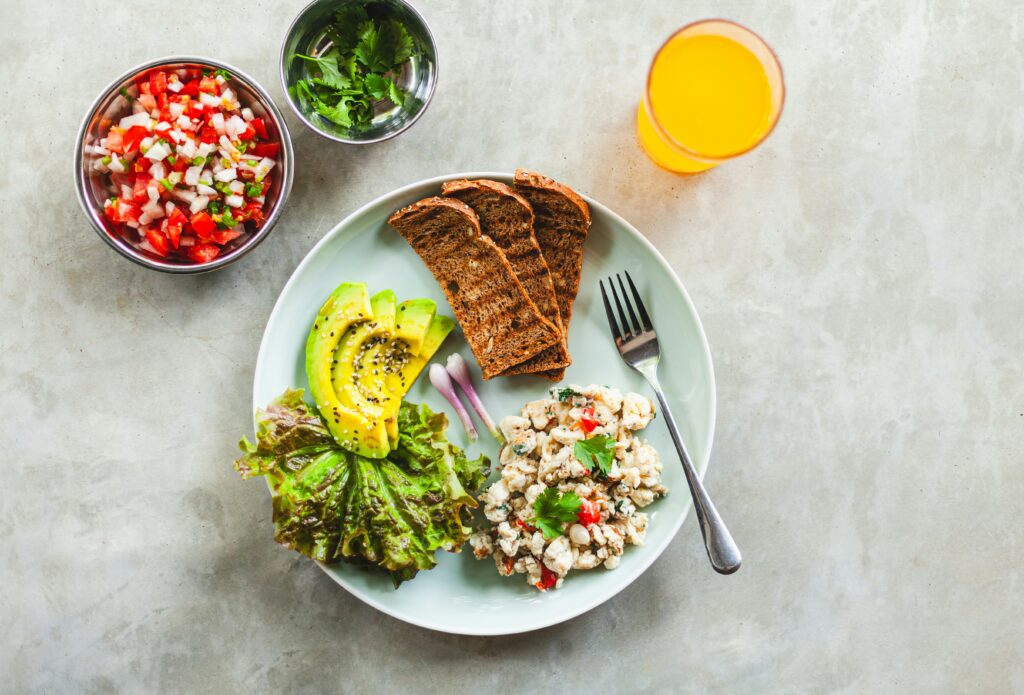
Don’t Skip Meals (Even When You’re Busy)
When your schedule gets hectic, meals are often the first thing to go. You might skip breakfast because you’re rushing out the door or work through lunch without realizing how hungry you’ve become.
The problem is, when your body doesn’t get consistent fuel, your blood sugar drops—and that can lead to irritability, fatigue, brain fog, and intense cravings later in the day. Suddenly, you’re reaching for whatever is quickest and easiest, which often isn’t what actually makes you feel your best.
Eating regularly—even if it’s something simple like yogurt, eggs, toast, or a smoothie—helps stabilize your energy and mood. Think of meals as support, not something you need to “earn.” You can find support at JM Nutrition and other online advisors if you need a personalized plan for eating well.
Focus on Adding Nutrients, Not Just Cutting Things Out
It’s easy to think healthy eating is about restriction. But a more sustainable mindset is focusing on what you can add: more whole foods, more color, and more variety. It's important to focus on good nutrition within your diet.
Whole foods like fruits, vegetables, whole grains, nuts, and lean proteins provide the vitamins and minerals your brain and body need to function properly. These nutrients support everything from energy levels to emotional regulation.
Starting your day with protein in particular can help you feel more focused and satisfied. Something as simple as eggs, Greek yogurt, or a protein smoothie can prevent energy crashes later on.
Instead of obsessing over what to eliminate, shift your attention to building balanced meals that help you feel steady and supported.
Don’t Fear Healthy Fats
For years, fats were unfairly labeled as something to avoid—but in reality, healthy fats are essential for brain health, hormone balance, and emotional well-being.
Foods like olive oil, avocados, nuts, and seeds help keep you full longer and support stable energy levels. They also make meals more satisfying, which reduces the urge to overeat later.
Rather than eliminating fats entirely, focus on choosing healthier sources and incorporating them into your everyday meals.
Be Intentional With Caffeine and Alcohol
That morning coffee can feel like a lifesaver, and there’s nothing wrong with enjoying it. But relying too heavily on caffeine can sometimes increase anxiety, disrupt sleep, and leave you feeling more drained in the long run.
The same goes for alcohol. While it can feel relaxing in the moment, it often impacts sleep quality and mood the next day.
You don’t have to cut these things out completely. Simply becoming more aware of how they affect your energy and emotions can help you make choices that feel better overall. Even small changes—like reducing caffeine in the afternoon or spacing out drinks—can make a noticeable difference.
Practice Mindful Eating Instead of Chasing Perfection
Healthy eating isn’t about rigid rules or never enjoying your favorite foods again. In fact, extreme restriction often backfires and leads to frustration, guilt, or burnout. The best way to be kind to yourself is to practice mindful eating, especially focusing on what you eat every day.
Mindful eating is about paying attention to what your body needs and allowing yourself to enjoy food without judgment. You can absolutely have dessert, coffee, or a glass of wine—balance is what matters most.
When you stop labeling foods as “good” or “bad,” you create a healthier, more sustainable relationship with eating.
Final Thoughts
Your diet doesn’t have to be perfect to support your emotional well-being. What matters most is consistency, balance, and taking care of yourself in a way that feels realistic for your life.
Eating regular meals, prioritizing whole foods, including healthy fats, and being mindful of caffeine and alcohol can all help stabilize your energy and mood. And just as importantly, giving yourself permission to enjoy food without guilt makes healthy habits easier to maintain long-term.
When you focus on nourishing yourself instead of restricting yourself, you create a foundation that supports both your physical health and your emotional well-being.