Your 20s are a cocktail of excitement, adventurous steps and figuring out who you are. On top of juggling all of the unknowns, you might be searching for a new job or your first big career stepping stone. The good news is you’re not alone. There are tried and true job search sources to help you find a job and take stock of the possibilities.
The Ultimate Job Search Resource List
Now some of these job sources are well-known but are therefore also well tested and used. Hopefully you’ll find a few new ones that will help expand your search and ultimately secure a job.
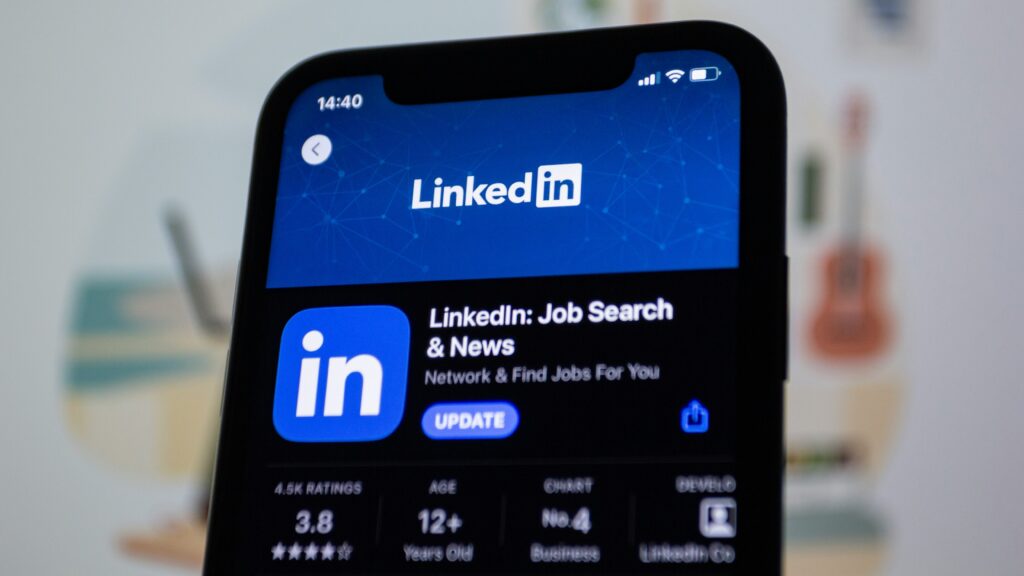
1. LinkedIn
If you’re only using LinkedIn as a place to park your resume, you’re missing out. Think of it as a professional networking party that never closes. You can connect with industry leaders, join niche groups, post your thoughts and position yourself as a go-to person in your field.
To really stand out, customize your headline to highlight your strengths. Fill in every section of your profile and ask for recommendations from colleagues or past managers. LinkedIn’s Jobs section allows you to filter roles by location, experience level and whether the position offers remote work.
Spend 10 minutes a day commenting on posts in your field or sharing an article with a short insight. Stay active on the platform. Activity keeps you visible to recruiters and helps you build a professional voice without feeling like a full-time job.
2. Indeed
Indeed is one of the largest job boards in the world. It aggregates listings from thousands of websites. Therefore, you can find everything from entry-level positions to executive roles in one place. Its One-Click Apply feature makes it easy to apply quickly once your resume is uploaded and optimized.
Set up job alerts with targeted keywords so you’re notified as soon as a matching role is posted. Indeed also offers company reviews and salary insights. So, you can do a little detective work before committing to an application. By pairing this intel with your skills and values, you’ll save time by only pursuing jobs that truly fit your goals.
Create two alerts — one for your dream role and one for stretch opportunities outside your comfort zone. Compare responses weekly and adjust your applications based on which type gets traction.
3. FlexJobs – The Customizable Job Search Resource
If you want a career that works around your life instead of the other way around, FlexJobs should be on your radar. This platform specializes in remote, part-time, freelance and flexible jobs across a variety of career categories.
Unlike free job boards, FlexJobs vets every listing to weed out scams — a big plus if you’ve ever fallen down a “too good to be true” rabbit hole. There is a subscription fee. But, many users say it’s worth the investment for the quality of postings and peace of mind.
Use the search filters to focus on roles with your ideal schedule, whether part-time, freelance or remote. Set time aside every few days to review new postings and apply strategically rather than trying to tackle everything at once.
4. Glassdoor
Glassdoor offers job listings, detailed employee reviews, salary reports and even interview question examples — all contributed anonymously by current and former staff. This means you can find out if that company’s “collaborative culture” really exists or if “fast-paced” actually means “stressful with unrealistic deadlines.”
You can also see pay ranges for your role in your city, helping you avoid underselling yourself during negotiations. The platform’s Know Your Worth tool gives a personalized salary estimate based on your experience, location and skills.
Before applying, read at least three reviews and one interview report for each company. Highlight patterns about culture and management style, then adjust your resume or cover letter to show you’re a good fit.

5. The Muse – A Job Search Source AND Career Development Source
The Muse is more than just a job board — it’s a career development hub. You’ll find curated job postings alongside company profiles that showcase culture, benefits and even photos of the office so you can check out the vibe before committing.
It also has a treasure trove of career advice articles, from writing a killer cover letter to making a mid-career switch without losing your mind. The Muse is especially helpful if you value purpose-driven work, as many featured companies highlight their mission and values right up front.
Follow at least three companies that align with your values and career goals. Check their job postings and culture tips weekly, and engage with their blogs to pick up advice that can make your applications stand out.
6. Workable
Workable might be better known on the employer side, but as a job-seeker, it’s a hidden gem. Many companies use it to manage their hiring, which means when you apply through Workable, you’re submitting your details directly into the hiring team’s workflow, not just a general inbox.
The platform often lists openings you won’t find on bigger job boards, especially in startups and growing businesses. You can also set up a profile so recruiters can find you, rather than the other way around.
Because Workable is optimized for speed and mobile use, you can apply for multiple roles in minutes. Create a profile and upload your resume so recruiters can find you directly. Apply to three to five smaller company postings each week to access opportunities that you might not see on bigger job boards.
7. FairyGodBoss – One of Our Favorite Job Search Sources
FairyGodBoss is a job board and supportive community tailored for women navigating the workplace. Beyond listings, it offers anonymous company reviews that specifically cover topics like maternity leave, career advancement for women and workplace equality.
There’s also a wealth of career advice articles, webinars and networking opportunities with like-minded professionals. You can follow companies that align with your values and see how other women rate their experience there — a huge advantage if you want to avoid glass ceilings.
The site also highlights employers actively committed to diversity, equity and inclusion. This means that you can focus your energy where you’re most likely to thrive. Check company reviews before applying, focusing on metrics like advancement opportunities and work-life balance. Bookmark your top five companies and follow them for updates.

8. Opportunities You’re Not 100% Ready For
Here’s the secret no one tells you — nobody ever feels totally ready. If you wait until you’re perfectly prepared, the moment will pass and someone less qualified but more confident will take it. That’s not to say you should say yes to everything, but when something excites you and scares you at the same time, it’s your cue to jump.
When you say yes before you feel 100% ready, you learn as you go. You figure out how to handle challenges in real time instead of waiting for an imaginary perfect moment. Often, the confidence you gain from trying is worth more than any prep work you could have done beforehand.
The next time a challenging project or interview opportunity arises, commit to it anyway. Prepare thoroughly, then reflect on what you learned — even a partial success is a step forward.
9. Job Fairs – One of the Underrated Job Search Sources
In a world where so much of the job hunt happens behind a screen, job fairs offer something different — real human interaction. Whether it’s a university-hosted career expo, a local hiring event at your community center or an industry-specific conference, job fairs are your chance to meet recruiters face-to-face. You can hand over your materials and ask questions about company culture. You’ll also get immediate feedback you’re unlikely to get from an online form.
The trick is to come prepared. Research the companies attending, dress like you’re already on the job and have your elevator pitch ready. Even if you don’t land a role on the spot, these events can lead to interviews, networking connections and insider tips that put you ahead of other applicants. Employers often remember the confident candidate they chatted with over coffee more than another email in their inbox.
Make a list of the top five companies you want to meet. Research their roles and prepare a 30-second introduction. Bring 10 to 15 printed resumes and practice speaking confidently about your skills.

10. Experimental Job Paths
The pressure to pick the perfect career in your 20s is intense, but the truth is, people change their careers 5.7 times on average between 18 and 24. Your 20s are the perfect time to test-drive different industries, roles and environments. Think of your career like a series of experiments. Each one teaches you something about what you want and what you don’t.
Use curated remote listings to explore new possibilities. Even short-term contracts or side projects can give you valuable experience and expand your skill set. The more you experiment, the more confident you’ll feel steering your career in the right direction.
Pick one stretch role or industry each month to research or apply for, and treat it as a learning opportunity rather than a permanent commitment. Keep a journal of what you discover about yourself and the work you enjoy.
11. The Strategic Side Hustle
Side hustles are about more than extra cash — they’re also about security and freedom. Done right, they can help you pay down your debt, build savings or fund passion projects. However, the keyword here is strategic. Pick something that plays to your strengths or sparks your interest, and make sure it won’t burn you out alongside your main job.
For example, if you love writing, you can work as a freelancer for blogs. If you’re crafty, sell your creations online. If you’re good at organization, offer virtual assistant services. Treat your side hustle like a mini business and know when to pause it if it’s draining you more than it’s supporting you.
Other Tips for Job Seekers
In addition to exploring the 11 options above of job search sources, follow these tips to maximize your efforts and make the journey enjoyable.
Get Comfortable Negotiating
Negotiation isn’t only about asking for a higher salary — though that’s a skill worth mastering. It’s also about protecting your time, energy and boundaries. Negotiation helps you create balance in whichever sphere you’re in. Avoid hard-bargaining negotiation tactics — like bluffing or take-it-or-leave-it strategies — to prevent an impasse or suboptimal outcomes for everyone involved.
Start small by practicing stating your needs clearly and without apology. Use facts, not excuses, like “I can deliver the project by Friday, not Wednesday, to ensure quality.” The more you practice, the more confident you’ll feel asking for what you deserve.
Before your next job offer or raise discussion, write down your minimum acceptable salary, ideal salary, and two to three talking points about your value. Practice negotiating with a friend or mentor to build confidence.

Learn a Useful Skill
The job market changes fast, but some skills never go out of style. Writing, public speaking, project management and problem-solving are career insurance policies. They’ll make you more adaptable, no matter what industry you end up in.
Pick one and commit to improving it over the next year. You can take free online courses, join community workshops or simply practice consistently. You will boost your resume and feel more confident stepping into new opportunities because you know you’re bringing valuable tools with you.
Pick one versatile skill — like Excel, basic coding, public speaking or social media management — and dedicate time every day to practice.
From Aspiring to Hired with Useful Job Search Sources
Your 20s are the perfect time to explore, experiment and expand. From mastering LinkedIn and discovering remote gigs to saying yes to stretch opportunities, negotiating confidently and learning skills that stick, every step builds your career and your confidence.
Attending job fairs and trying out side hustles are all part of the journey. Treat your career like an experiment, take bold chances and remember that each “yes” is a leap forward toward the life and work you deserve.
About the Author

Mia Barnes is a freelance health and lifestyle writer from the East Coast. Mia is also the Founder and Editor-In-Chief of Body+Mind Magazine. She enjoys writing about topics related to self-care, mindful living, and overall wellness. When not writing, you can find Mia reading romance novels, trying new recipes or practicing yoga.
Website: www.bodymind.com/