Bottled Water vs. Filtered Fridge Water for Families
Keeping the family hydrated sounds simple until you're standing in the grocery store deciding whether to buy another case of bottled water. At home, your refrigerator might already dispense cold, filtered water, making those extra bottles seem unnecessary.
But is filtered fridge water as safe as bottled water? And does switching actually save money once you account for replacement filters?
The comparison involves more than taste. Drinking-water quality, household expenses, convenience, maintenance, and environmental impact all deserve consideration. Understanding how both options work can make that decision easier.
Bottled Water vs. Filtered Fridge Water: What's the Difference?
Bottled water comes from several sources. Spring water originates from underground formations, while purified water undergoes treatment processes such as reverse osmosis or distillation. Some purified bottled water begins as water from a municipal supply.
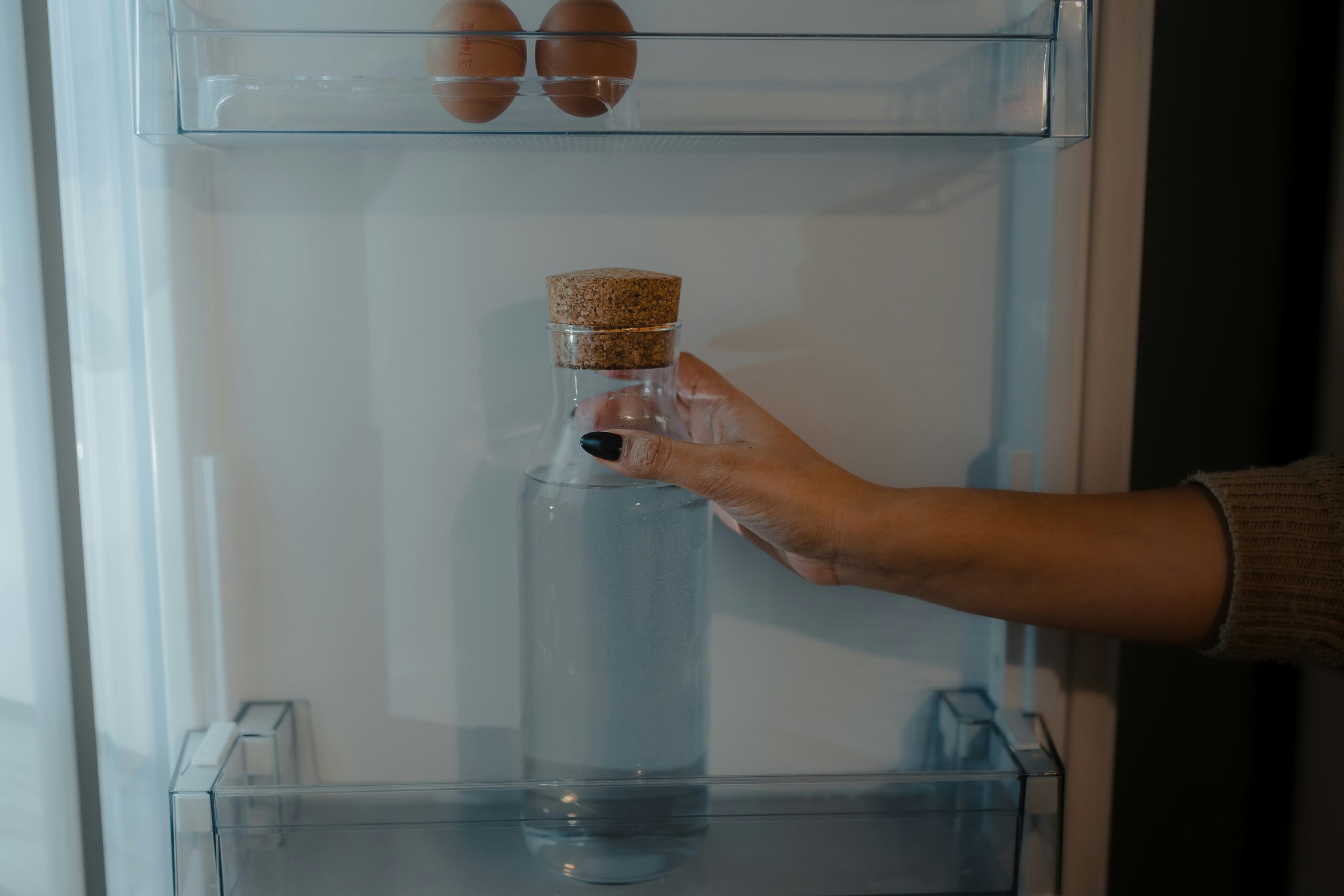
Filtered fridge water usually starts with the same tap water that enters your kitchen sink. It passes through a built-in refrigerator filter before reaching the dispenser.
Most refrigerator filters contain activated carbon, which helps reduce chlorine taste, odors, and certain other substances. Some models are also certified to reduce specific contaminants, including lead.
However, a standard refrigerator filter is different from a dedicated reverse osmosis system. Reverse osmosis uses a specialized membrane to remove a wider range of dissolved substances. That distinction matters because filtration capabilities vary considerably between products.
When comparing these options, the important question isn't simply which has been filtered. It's what treatment the water has received and whether that treatment addresses your household's specific concerns.
Which Option Is Safer for Your Family?
Neither bottled water nor filtered fridge water is automatically safer in every situation.
In the United States, the Food and Drug Administration (FDA) regulates bottled drinking water, including requirements covering sanitary production, source protection, and testing. The Environmental Protection Agency (EPA) regulates public drinking-water systems. Both have safety standards, but they operate under different regulatory frameworks.
For households using municipal tap water, the first step is reviewing the water supplier's annual Consumer Confidence Report. These reports provide information about water sources, monitoring results, and regulated contaminants.
The report describes the water system's monitoring results, but it does not necessarily identify issues specific to your home's plumbing. If lead or another household-specific concern is suspected, ask the utility or local health department about appropriate testing.
If your tap water is suitable for drinking and there are no specific treatment concerns, additional filtration may be a matter of taste or preference rather than a safety requirement.
Families should also understand what their refrigerator filter actually removes. Common filtration certifications include:
- NSF/ANSI 42: Covers specific aesthetic claims, such as reducing chlorine taste and odor.
- NSF/ANSI 53: Covers certified reduction claims involving health-related contaminants, which may include lead.
- NSF/ANSI 401: Addresses specified emerging contaminants, including certain pharmaceuticals and chemicals.
A certification doesn't mean a filter removes every contaminant covered by that standard. Parents should check the exact reduction claims for their particular cartridge.
The CDC's guidance on choosing home water filters also explains that many refrigerator filters aren't designed to remove harmful microorganisms.
For families using private wells, CDC recommends testing at least annually for total coliform bacteria, nitrates, total dissolved solids, and pH. Local health officials can advise on additional tests and when testing should be repeated after flooding, repairs, or other concerns. Private wells are not regulated under the same federal framework as public water systems.
How Much Does Bottled Water Cost Compared With Fridge Water?
Cost is often where families notice the biggest practical difference. Bottled water requires repeated purchases, while refrigerator filtration generally involves tap-water charges and periodic cartridge replacements.
Consider a household that purchases one 40-bottle case every week. For illustration, assume a 40-pack of 16.9-fluid-ounce bottles costs $5.47. At that price, buying one case weekly would cost approximately $284.44 annually.
For comparison, a major home-improvement retailer has listed the EveryDrop Filter 1 refrigerator cartridge at $59.99. Replacing that particular filter twice annually would cost $119.98.
Forty 16.9-fluid-ounce bottles each week represent approximately 275 gallons annually. Two 200-gallon cartridges could accommodate that volume if usage is spread evenly, but additional water used for ice, cooking, and other drinks also counts toward filter capacity.
The illustrative cost difference is approximately $164. This compares recurring bottled-water and cartridge costs for a household that already owns a compatible refrigerator. It excludes tap-water charges, taxes, delivery fees, reusable bottles, and any additional appliance costs.
These are illustrative prices, not universal household costs. Filter prices, compatible models, replacement requirements, and bottled-water prices vary.
A family drinking several cases weekly could spend considerably more on bottled water. Conversely, a household that rarely purchases bottled water might see smaller savings.
Storage and transportation also matter. Bottled water occupies pantry space, adds weight to grocery trips, and sometimes requires additional deliveries. For families who already own a compatible refrigerator, filtered water may offer lower recurring costs without requiring another major appliance purchase.
Does Filtered Fridge Water Require More Maintenance?
Using filtered fridge water requires maintaining the filtration system.
Many manufacturers recommend replacement approximately every six months or when the cartridge reaches its rated capacity, whichever comes first under the product's instructions.
A neglected cartridge can gradually become clogged, reducing water flow and affecting dispenser performance. Possible signs that a filter needs attention include slower dispensing, reduced ice production, unusual tastes, or a replacement indicator on the refrigerator.
These changes can also have other causes, including supply-pressure problems, plumbing restrictions, or ice-bin odors. Some replacement indicators track time or estimated usage rather than directly measuring water quality.
A filter can reach the end of its rated contaminant-reduction capacity without a noticeable change in flow or taste. Changes in taste alone cannot reliably determine whether water is safe.
Planning a regular refrigerator water filter replacement can make this responsibility part of the family's normal household maintenance schedule. Parents can check their refrigerator's model number, choose a compatible cartridge with appropriate filtration certifications, and set a reminder based on the manufacturer's recommended interval.
Routine refrigerator water filter maintenance also includes wiping down the dispenser area, cleaning removable drip trays, and following appliance instructions for flushing newly installed cartridges. These small tasks help keep the dispenser functioning properly and reduce the chance of maintenance becoming an unexpected problem.
Which Option Is More Convenient for Busy Families?
Convenience looks different depending on a family's daily schedule.
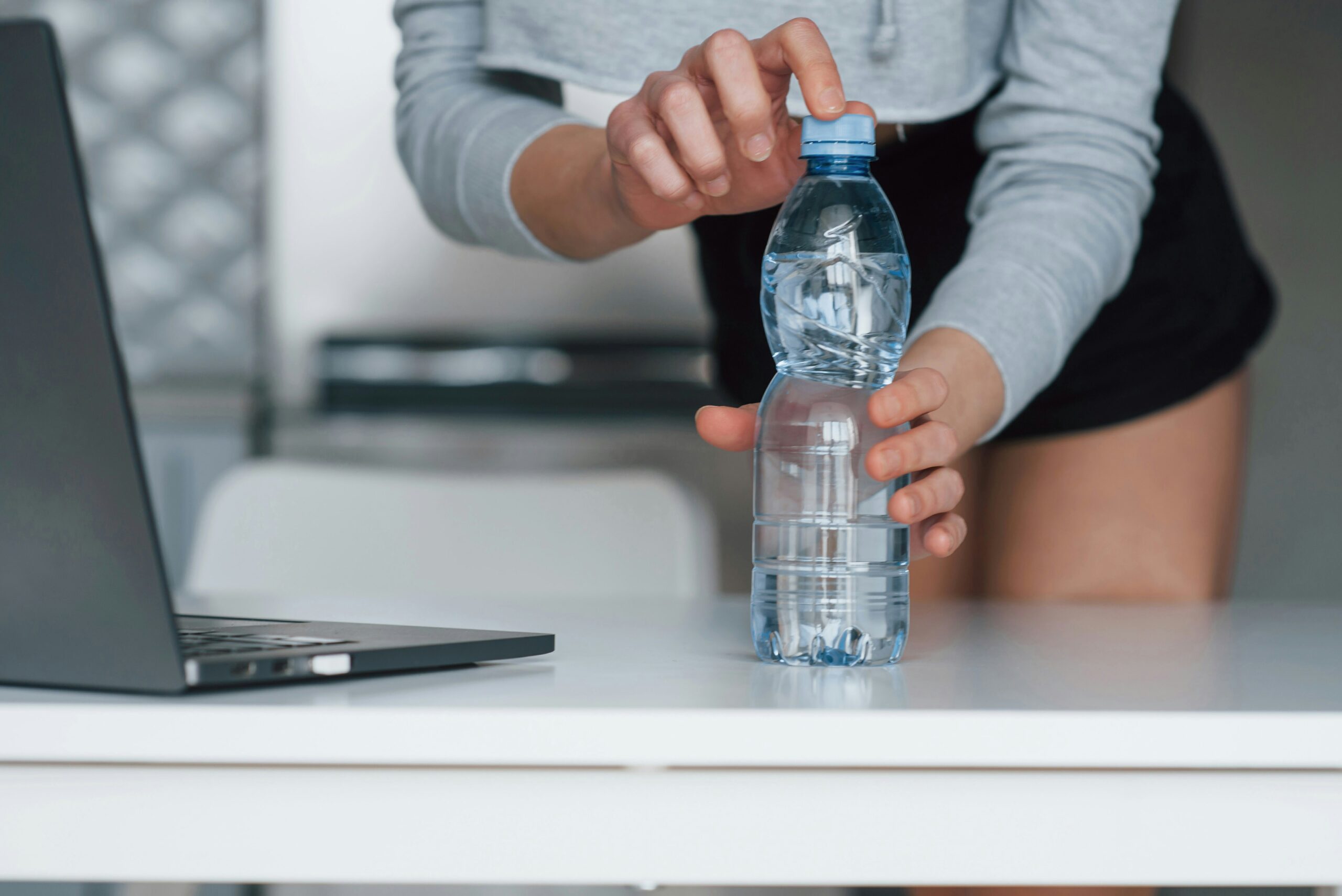
Bottled water is portable and ready to distribute. Parents can place bottles in lunch bags, take them to sporting events, or keep a few available for outings. However, regularly purchasing cases means remembering to restock, carrying heavy packages, and finding somewhere to store them.
Filtered fridge water removes much of that routine. Children can fill a glass after school, parents can refill reusable bottles before leaving home, and family members can access chilled water without opening another package. For refrigerators that supply filtered water to the ice maker, drinks and ice are available from the same appliance.
The main inconvenience is remembering filter changes and keeping reusable bottles clean. Families with predictable school, work, and activity schedules may find these tasks easier to manage than repeated bottled-water purchases.
Bottled water still offers flexibility when reliable drinking-water supplies or refill points aren't readily available.
What About Plastic Waste and Environmental Impact?
The environmental difference becomes noticeable when considering how many containers a household uses.
At one 40-bottle case per week, a household uses 2,080 bottles annually. While many plastic water bottles are recyclable, actual recycling depends on local collection systems and how the bottles are handled.
Using filtered fridge water with reusable containers reduces the need for repeated single-use bottles. Parents can also encourage children to take responsibility for their own refillable bottles, making waste reduction part of an everyday habit.
Refrigerator filtration isn't completely waste-free, though. Replacement cartridges contain materials that eventually require disposal. Check whether the cartridge manufacturer or a local specialist program accepts used filters. Do not assume cartridges belong in ordinary curbside recycling.
Both bottled water and filtration systems also have manufacturing and transportation impacts. For households seeking to reduce single-use packaging, consistently refilling reusable bottles is a practical improvement without requiring complicated lifestyle changes.
When Is Bottled Water Still the Better Choice?
Even families that prefer filtered fridge water may benefit from keeping bottled water available.
Emergencies are the clearest example. Flooding, damaged water infrastructure, or contamination incidents can temporarily make household tap water unsuitable for drinking.
During a drinking-water advisory, families must follow instructions from local authorities rather than assuming their refrigerator filter provides sufficient protection. The CDC's drinking-water advisory guidance specifically advises against using water or ice from refrigerator dispensers during such advisories.
Depending on the situation, commercially bottled water may be necessary for drinking, food preparation, or other household activities. After an advisory is lifted, follow local and manufacturer instructions for flushing the appliance, discarding affected ice, and replacing filters where directed.
Bottled water can also be useful during travel, outdoor events, or situations where reliable drinking-water supplies aren't available.
For homes with known water-quality problems, the appropriate solution depends on the contaminant involved. A properly selected treatment system may be necessary, and an ordinary refrigerator cartridge might not be sufficient.
So, Which Water Option Makes the Most Sense for Your Family?
For many families with suitable municipal drinking water, a properly maintained refrigerator filter offers an affordable and convenient option for everyday hydration. It provides easy access to chilled water, supports reusable-bottle habits, and reduces dependence on repeated grocery-store purchases.
Bottled water remains valuable when portability, emergency preparedness, or temporary water-quality concerns take priority.
Before deciding, review your household's drinking-water quality, identify what your refrigerator filter is certified to reduce, and compare the actual costs of bottled water with compatible replacement cartridges.
Most importantly, choose a routine the entire family can maintain. The best option isn't necessarily the one with the most elaborate treatment process or the most attractive packaging. It's the one that provides appropriate drinking water reliably, fits your budget, and makes staying hydrated a natural part of family life.